Latest Post

Stress is inevitable. Whether we’re preparing for a job interview or avoiding a potential car accident, our bodies respond with a series of changes that heighten our awareness and prepare us to react to dangerous, unexpected or uncomfortable situations. This speeds up our pulse and breathing, increases brain activity and tenses up our muscles. Once the immediate threat or discomfort passes, we return to functioning normally.1

The constant demands of work and home, health problems of your loved ones and yourself, troubled relationships and the problems of the world can put you in a chronic state of stress. That’s harmful to your physical, emotional and mental health.1 It can even slow your weight loss progress! Check out these seven common symptoms and signs of stress and their effects on your health.

1. Lack of energy.

a tired woman sitting in front of her computer

While short-term stress can increase your energy levels and keep you alert, persistent chronic stress can leave you feeling lethargic and unmotivated with low energy levels.1 When you lack energy, you are less likely to cook healthy meals and get in the regular activity that helps you lose weight steadily.

7 Easy Tips for Natural Stress Relief

Read More

2. Trouble sleeping.

a woman in bed with a pillow over her ears

You may lack energy when stressed because you can’t fall asleep or you are awake during the night.2 When you don’t sleep for seven to eight hours each night, it can impact your health and weight loss.

3. Muscle tension and pain.

a man with back pain who looks tense

Aching muscles can keep you awake at night. When your body is stuck in the “flight or fight” mode, you may feel like you are permanently clenched. That tension shows up as headaches or discomfort, jaw clenching and even serious muscle pain in the neck, shoulders or back.2 Persistent pain can keep you from being active and lead to more serious problems.

4. Upset stomach.

a woman with stomach pain sitting on the couch

Your brain and your gut are interconnected. Chronic stress can lead to an upset stomach and digestive issues. According to the UNC Center for Functional GI & Motility Disorders, “Common gastrointestinal symptoms due to stress are heartburn, indigestion, nausea and vomiting, diarrhea, constipation and associated lower abdominal pain.”3

Why Stress Keeps You From Losing Weight (and How to Beat It!)

Read More

5. High blood pressure.

a doctor measuring a patient’s blood pressure

In stressful situations, your heart starts pumping harder, causing your blood pressure to rise. Chronic stress can lead to hypertension—blood pressure that is consistently too high. Even “thinking about stressful events can delay BP recovery,” say researchers in a study, published in the journal Current Hypertension Report.4

6. Daily drinking.

two bottles of wine and a glass with half-filled red wine on a table

An “adult beverage” can help you feel relaxed and less focused on your worries, but frequent or excessive drinking is a symptom of stress, too. In fact, alcohol is a depressant that compounds the problem. Plus, it comes with a lot of empty calories and often leads to unhealthy food choices.1 Speak to your doctor if you are experiencing this sign or if you are feeling overly stressed.2

7. Overeating.

Young man taking potato chip out of glass bowl while sitting on sofa in front of laptop on table and having snack

“Chronic stress is known to alter the pattern of food intake, dietary preference, and the rewarding properties of foods,” say researchers in the journal Current Obesity Report. They found that stressed people are more likely to eat foods high in sugar and fats.5

Feeling Stressed? 9 Foods That Make You Happy

Read More

3 Smart Strategies for Stress Management:

The good news is that there are a few proven methods of stress prevention as well as stress management strategies that can help reduce chronic stress and its damaging effects. You may not be able to eliminate the causes of stress in your life, but you can reduce their impact on your health.

1. Talk about it.

When you are alone and feeling stressed, your thoughts can get stuck in a seemingly endless worry loop. Professional counseling is a valuable tool when you can’t break out of that cycle, but simply talking to family and friends about your stress points also helps to defuse them, according to researchers, published in the medical journal Psychiatry. Their study results showed a strong connection between social support and resilience to stress.6

2. Breathe with a purpose.

a relaxed looking man in front of his laptop

Breathing exercises are a recommended activity that may help with relaxation and stress management. You can also try other activity to relax and destress, such as  meditation and muscle relaxation2  Check out these two breathing techniques that reduce stress! >

3. Get moving.

a happy man taking a walk outdoors

Walking, working out in the gym or any other kind of exercise may help to boost your mood and prevent stress. Consider yoga or tai chi classes that take stress relief to another level. These are relaxing exercises that may help with stress management.2

Even if you just walk for 30 minutes each day (the amount of activity recommended on Nutrisystem), it can improve your health and give you a mood boost.1 It will also speed up your progress to your weight loss goal, which is one less thing to feel stressed about.

*Always speak with your doctor if you are feeling overly stressed.

10 Easy Home Workouts You Can Do in Your Living Room

Read More

Sources:

  1. https://www.nimh.nih.gov/health/publications/stress/index.shtml
  2. https://my.clevelandclinic.org/health/articles/11874-stress
  3. https://www.med.unc.edu/ibs/wp-content/uploads/sites/450/2017/10/Stress-and-the-Gut.pdf
  4. https://www.ncbi.nlm.nih.gov/pmc/articles/PMC3694268/
  5. https://www.ncbi.nlm.nih.gov/pmc/articles/PMC3428710/
  6. https://www.ncbi.nlm.nih.gov/pmc/articles/PMC2921311/

The post Stress Management: 7 Symptoms and Signs of Chronic Stress appeared first on The Leaf.


from The Leaf https://leaf.nutrisystem.com/chronic-stress-symptoms-and-stress-management-strategies/

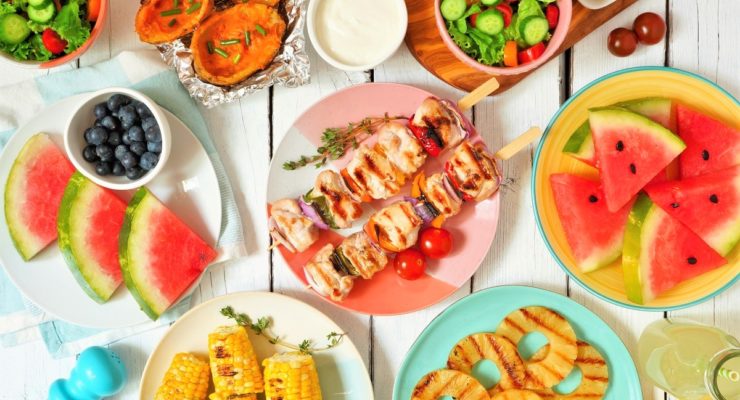
Just about any meal tastes better when you cook and eat it outside. Maybe that’s because preparing food over an open flame brings out the flavor in many of our favorite ingredients. Even better, cooking on the grill can help you on your weight loss journey because it lets you create delicious meals without loading you up on excess calories or unhealthy fats. Cooking outside also keeps your home cooler on sultry days and leaves you with less mess to clean up when the meal is done. To help you get the most out of the grilling season, here are nine healthy grilling ideas and hints that will keep you on track with your weight loss this summer.

1. Protein preferences.

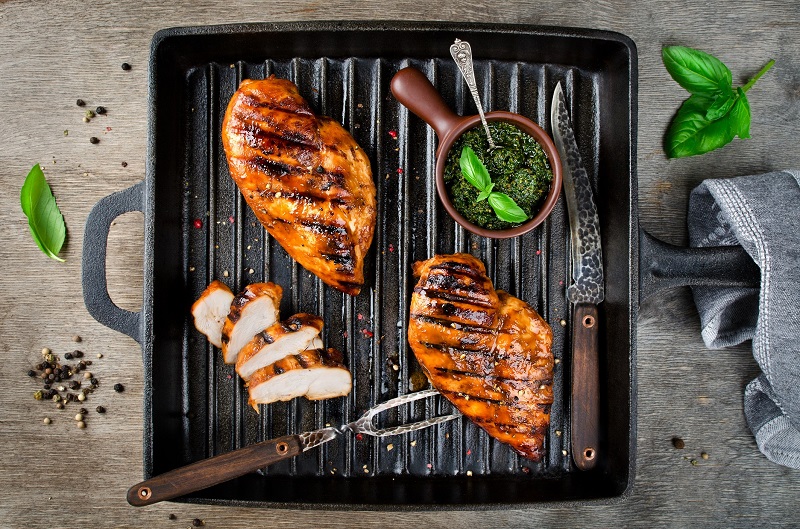
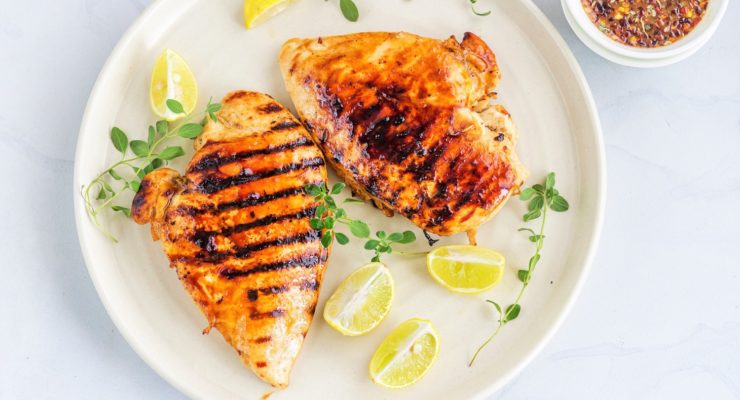
Grilled chicken fillets in a spicy marinade

You have so many choices beyond ordinary hamburgers and hot dogs for your grilled meals. PowerFuels, such as chicken breast or salmon, fill you up with essential protein. However, they’re typically lower in saturated fat and calories than other options.

Chicken and fish take on a rich, smoky flavor as they cook on the grill. If you are craving a burger, try a turkey burger, which is leaner than beef and still provides that hearty, flame-kissed taste. If you do opt for beef, be sure to choose lean steaks and burgers.

31 Healthy Summer Chicken Recipes

Read More

2. Season before heating.

Smiling man seasoning meat on the grill

You can amp up the flavor of your favorite proteins with herbs and spices, such as sage, rosemary, cayenne pepper and garlic. They are unlimited Free foods on the Nutrisystem weight loss plan because they don’t add calories to your meals.

Experienced cooks use spice blends known as “rubs” to season food before grilling it. A simple combination of equal parts black pepper, chili powder, garlic powder, cumin and cinnamon treats your taste buds to zesty, savory and sweet flavors in every bite.

3. Mighty marinades.

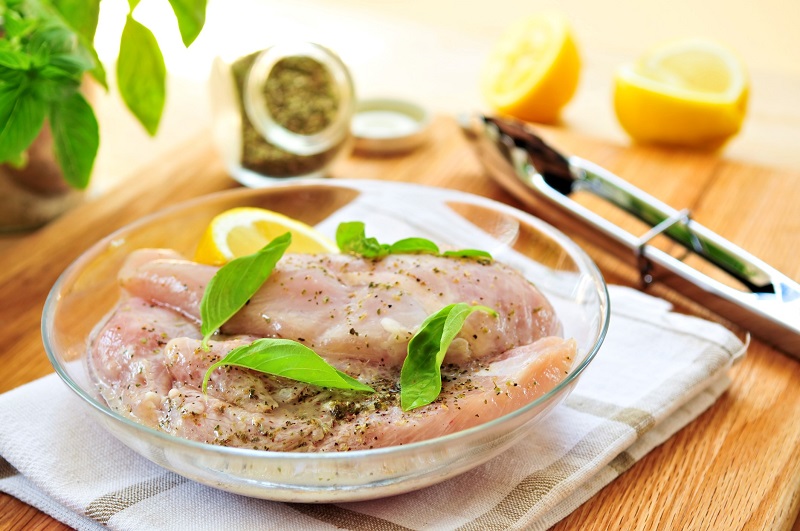
Raw chicken breasts marinating

Soaking chicken and fish in a seasoned liquid before you grill them ensures that they stay moist and tender while cooking. This process, known as marinating, also infuses the ingredients with flavors that emerge as the food cooks. Marinade recipes are simple to make yourself, like the blend we use to make Marinated Grilled Chicken Thighs. Plus, according to Harvard Health Publishing, “Marinating food for a while before cooking limits the formation of potential carcinogens while grilling.”

If you choose to buy bottled marinades, look for low-sodium and low-sugar varieties. Also, be sure to discard any marinade after you put the food on the grill. Reusing marinade after it has been in contact with raw meat or fish can introduce unhealthy bacteria to your cooked food.

4. Hot veggies.

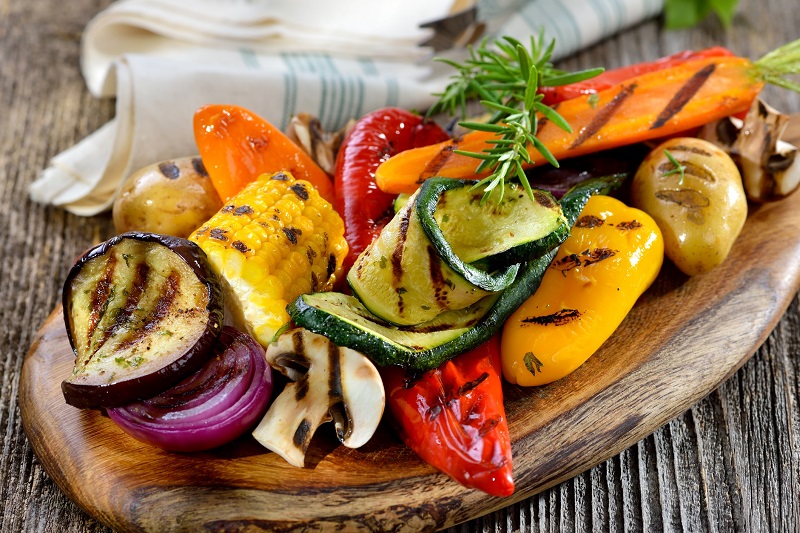
Grilled vegetables

Grilling does more than enhance the flavor of chicken, fish and other proteins. When cooked over an open flame, many kinds of vegetables become sweeter while they absorb the smoky taste of the fire.

Grilled zucchini, bell peppers, eggplant and onions are ideal side dishes for summer meals. Try grilling thick tomato slices brushed with a little olive oil. Just cook them for a few minutes until they’re tender. For an alternative to a beef burger, grill a meaty portobello mushroom. This will help you reach your four required servings of non-starchy vegetables while keeping you full and satisfied.

10 Tips for a Healthy Home Cookout

Read More

5. Fruity options.

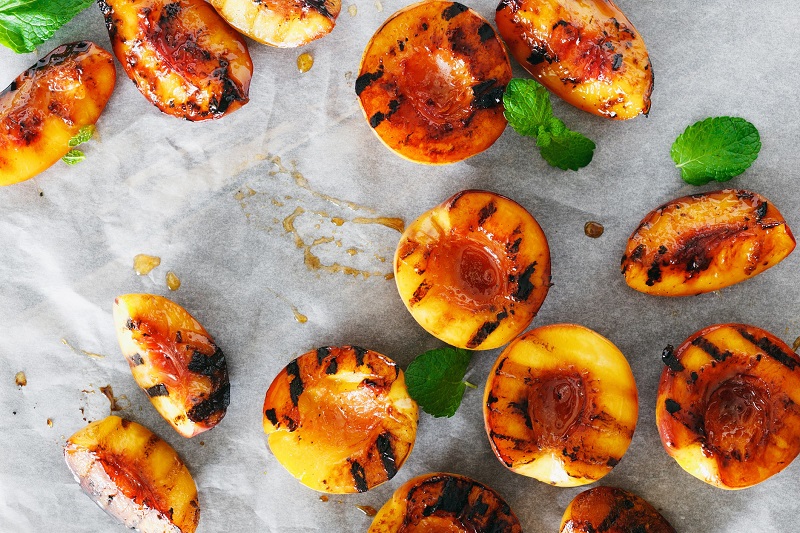
grilled peaches served with mint leaves

Sweet, juicy fruits are one of the great food pleasures of the summer. Grilling them takes many favorites to the next level of flavor.

Peaches, pineapple, mangoes, figs, watermelon and cantaloupe all taste even better after a few minutes of cooking over a fire. You can also add a smoky and tart flavor to fish and other dishes by lightly grilling lemons and then squeezing the juice onto them. For all the details, check out this article on 10 fruits that taste awesome grilled. >

6. Best buns.

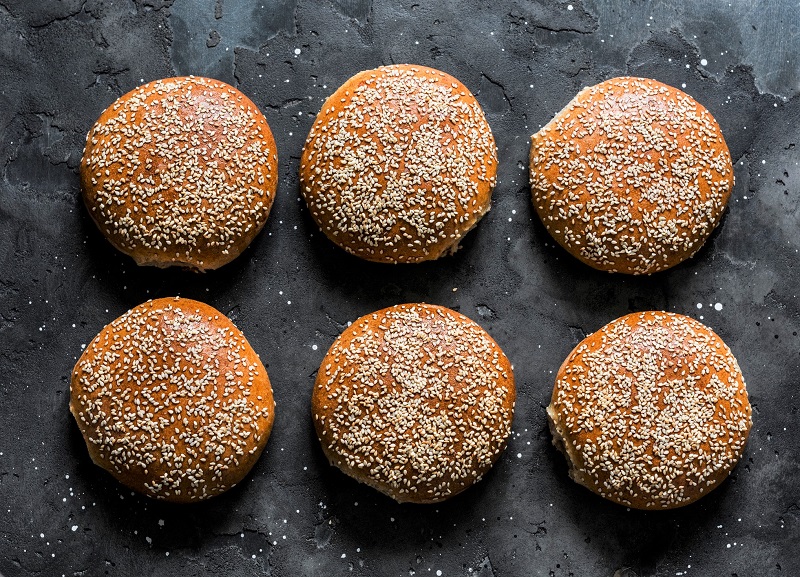
Homemade whole wheat hamburger rolls

If you are having a burger or making sandwiches with grilled chicken, fish or mushrooms, be sure to choose whole grain buns. They are SmartCarbs that contain fiber and are typically lower on the glycemic index.

To give your buns extra crunch and flavor, lightly mist the inside of each half of the bun with non-stick cooking spray and toast them for a couple minutes on the grill. Then top with your favorite grilled PowerFuel and non-starchy veggies.

7. Condiment care.

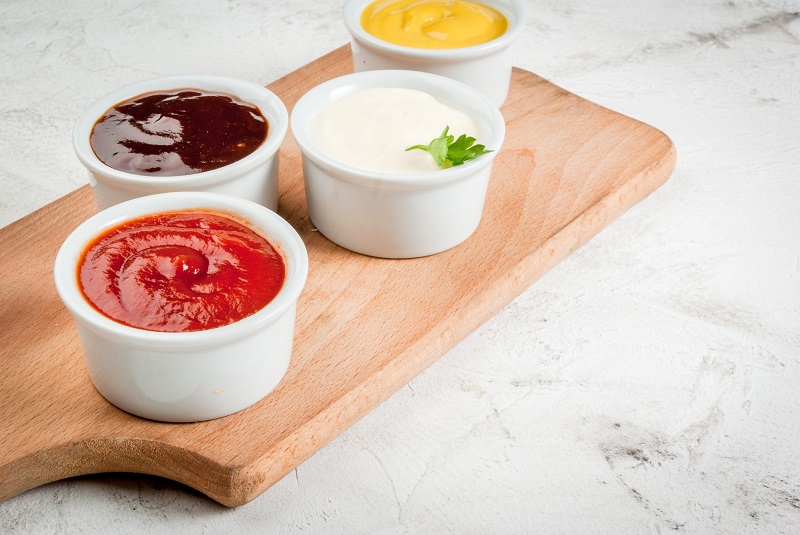
assorted condiments for grilling in white bowls

The toppings you put on your grilled food can be the finishing touch that makes your meal special. However, you want to be sure they don’t load you up with excess calories.

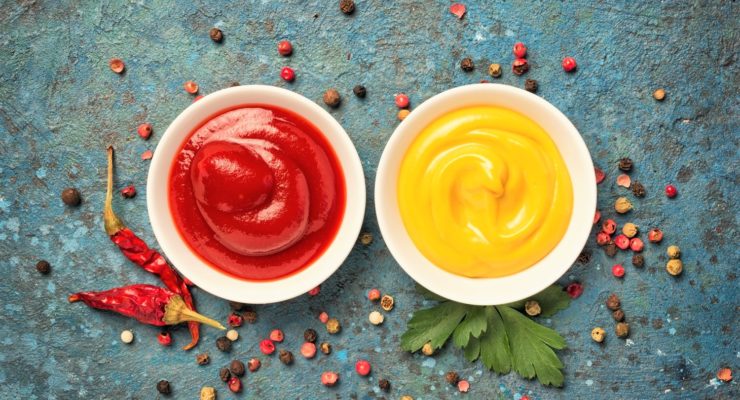
Ketchup, pickles, relish, mayonnaise and salad dressing are all Extras on your Nutrisystem plan because they tend to be higher in calories, sugar or fats. You can use them but be sure to stick to the serving sizes recommended in our Grocery Guide. Better yet, use Free foods such as mustard, salsa or hot sauce. They are all unlimited.

5 Low Calorie Condiments to Use at the BBQ

Read More

8. Beware of flare ups.

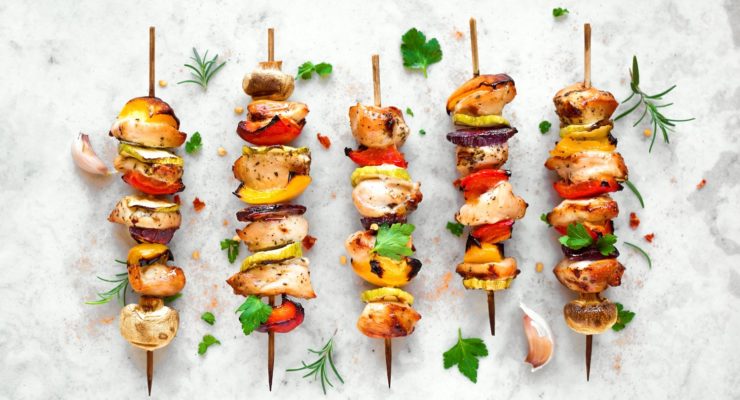
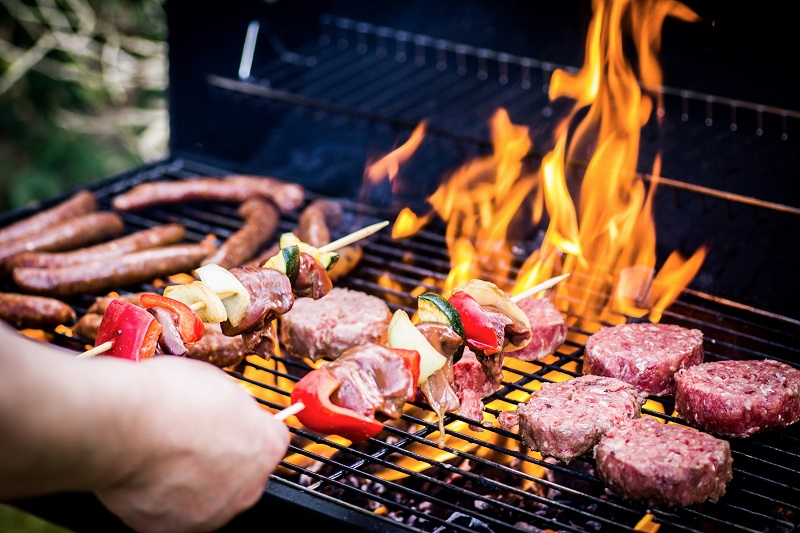
flame grilled meat and kabobs

While you want your grilled food to taste like it’s been cooked over an open flame, you don’t want them to be burned by the fire. When fat drips from food and then burns on the grill, the smoke it makes contains two kinds of compounds that have been linked to an increased risk of cancer. To avoid the flare-ups caused by burning fats, cook your food gradually over a low-to-medium flame.

9. Clean up.

Cleaning outdoor gas grill

You don’t have to clean pots and pans when you cook on the grill, but you should take time after it cools down to remove any leftover bits of food stuck to the grates. They can burn, produce smoke or cause bitter flavors in your next meal.

Use a wire brush to remove the leftovers and then wipe off the grates with a paper towel to be sure no bristles from the brush are left behind. Then you’ll be ready to fire it up whenever you have a craving for delicious grilled food. Get more tips for getting your grill BBQ ready here! >

Looking for more healthy grilling ideas? Click the link below for some healthy grilled recipes!:

15 Healthy Summer Grill Recipes

Read More

The post 9 Tips and Ideas for a Healthy Grilling Season appeared first on The Leaf.


from The Leaf https://leaf.nutrisystem.com/healthy-grilling-ideas/

Hot, sunny days that last long into the evening invite us to eat simple meals full of fresh ingredients that are abundant in summer. Produce shelves and farmer’s markets offer so many favorite seasonal summer fruits and vegetables that you can enjoy them every day and never grow bored. Here are nine healthy seasonal foods that hit their peak in summer, along with tips and tempting ideas for eating them.

1. Basil
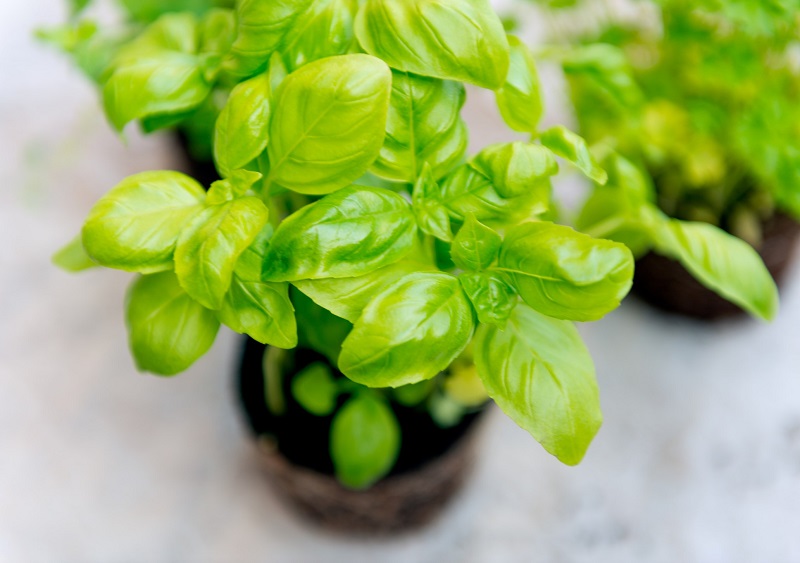
basil plants

Is basil an herb used to add flavor to marina sauce and other Italian-style dishes? Or is it a leafy green you can toss in salads, stir into omelets and blend into smoothies? The answer is both! Basil is an herb with a fresh, lemony flavor that perks up many summer dishes. It’s a Free Food on the Nutrisystem plan, so you can enjoy as much as you want!

Nutritional highlights: Basil has almost no calories, fat or cholesterol, but it does have a healthy supply of antioxidants, compounds that help control “free radical” cells, which are believed to support the development of cancer.1,2 Basil also is a good source of vitamin K, a micronutrient that has been linked to a reduction in weight and abdominal fat, according to a research report in the European Journal of Clinical Nutrition.3

Tasty ideas: Pesto is a thick sauce, traditionally with made pine nuts, Parmesan cheese, olive oil and basil. It’s used as a dressing for pasta, a topping for sandwiches and more. We make a healthier version, Not Your Mother’s Pesto that reduces the calories and fats. It’s perfect for pairing with other summer foods like zucchini! For a hearty breakfast or light lunch, try our Instant Pot Tomato Basil Frittata.

Summertime & Sunshine: The Perfect Time to Get More Vitamin D

Read More

2. Blueberries
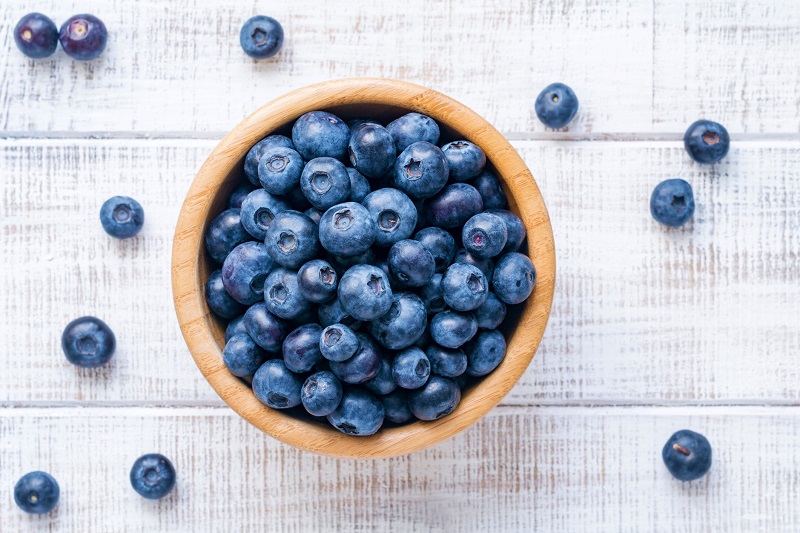
Top view of fresh blueberries in bowl

Juicy and sweet with just a hint of tart, fresh blueberries are one of the most iconic summer foods. Gathering them yourself at a “pick-your-own” farm is a fun way to spend a sunny day while also getting in some exercise. But however you get them, you’ll find it hard to resist popping them in your mouth. Blueberries also pair well with many other fresh summer foods.

Nutritional highlights: Blueberries are a SmartCarb, meaning they are high in fiber, with over 3.5 grams per cup. Blueberries are a good source of potassium, an electrolyte that works with sodium to maintain your fluid and blood volumes.4,5 Consumption of the compound that gives blueberries their color, called anthocyanin, is associated with a reduced risk of type 2 diabetes and cardiovascular disease and with improved weight maintenance, says a report in the journal, Advances in Nutrition.6

Tasty ideas: Fresh blueberries are delicious on their own or simply stirred into nonfat yogurt. We love to include them in Mini Pancake Bites. They also star in our light and flavorful Blueberry Peach Feta Salad.

3. Cucumbers
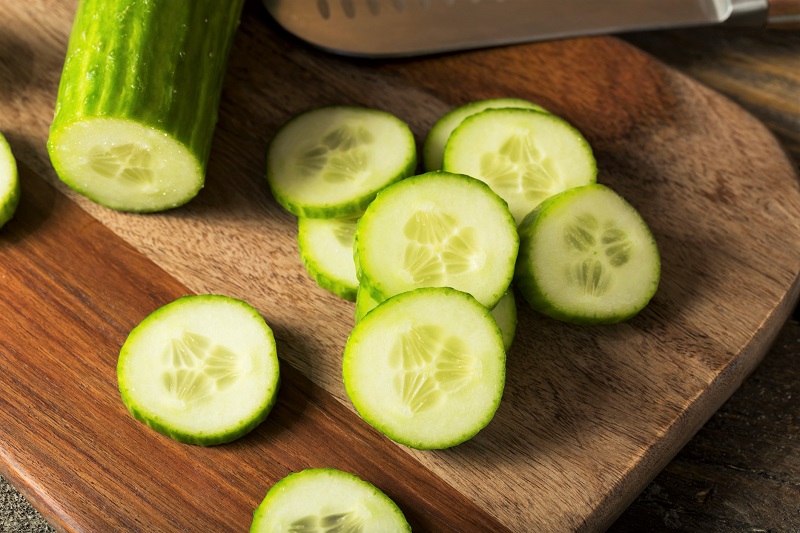
sliced cucumbers on a cutting board

Cucumbers are famously cool and they’re also full of fluids that help you stay hydrated on sultry days. The long, smooth-skinned varieties are typically eaten fresh, while shorter, bumpier types are the best choice for pickling. Rounded, yellow lemon cucumbers have a faint citrus-like taste.

Nutritional highlights: Whichever type of cuke you choose, try to eat them without peeling off the skin—most of the fiber and nutrients, such as vitamin A, are concentrated right underneath the peel.7 Cucumbers are made of mostly water, so they are one of the best summer foods for helping you stay hydrated in the heat. A non-starchy vegetable you can enjoy in unlimited amounts, cucumbers can also be applied to your skin and are said to help with sweeting, irritation and alleviating sunburn.8

Tasty ideas: Thin slices of cucumber add refreshing flavor to plain water or seltzer. You can stuff cucumber “cups” with goat cheese and herbs  or crabmeat. For a fast, flavorful snack, make a batch of our 3-Ingredient Spicy Cucumber Snack Sticks.

4. Eggplant
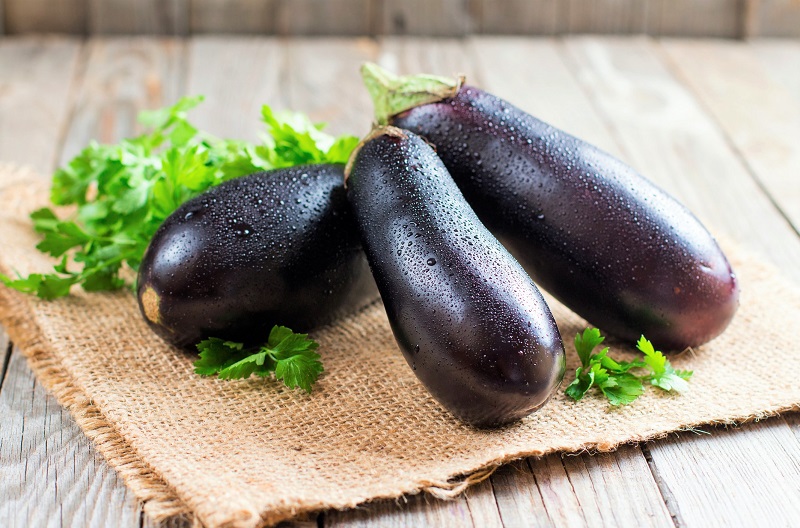
Fresh eggplant on wooden background

Many hearty summer meals start with eggplant, which holds up well to grilling as well as roasting and baking. It has rich, meaty flesh that becomes creamy when cooked. In summer, you can choose from traditional oblong shaped eggplant with dark purple or violet skin or long, narrower Asian types that come in white, shades of green or purple. No matter which you choose, smaller eggplants are generally more tender and less seedy than big ones.

Nutritional highlights: Cooked eggplant is low in calories (less than 35 in a one cup serving) and carbohydrates (8.6 grams per serving). It also contains vitamin A and C whole also being a good vegetable source of calcium and potassium. A non-starchy vegetable, eggplant is unlimited when you’re on a Nutrisystem weight loss plan.9

Tasty ideas: For a simple side dish, spray sliced eggplant with zero-calorie cooking spray and sprinkle on oregano and pepper, then grill until tender. Thick slices of eggplant are sturdy enough to substitute for crust in our Eggplant Margherita Pizza recipe. Air Fried Eggplant Parm Poppers turn a popular entrée into a tasty snack the whole family will love.

5. Melons
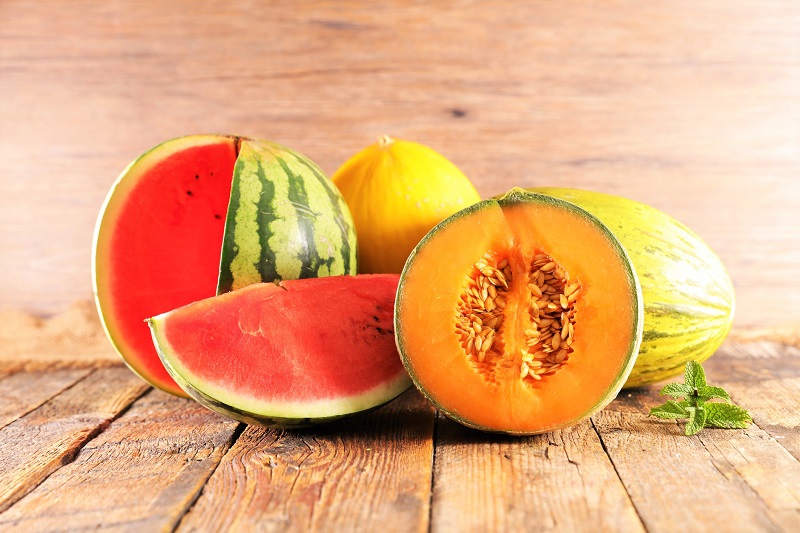
assorted melons, including watermelon, cantaloupe, canary melons and Santa Claus melons

Cantaloupe, muskmelons, honeydew, watermelon and other sweet and juicy members of the melon family hit their peak at just about the same time as the temperatures do. You can choose from a wide variety of options, but all of these summer foods are delicious and refreshing on hot days. To find one that’s perfectly ripe, push your thumb into the spot on the end where the fruit connected to the vine. You should feel it give a little, but not too much.

Nutritional highlights: All of these summer fruits are SmartCarbs, so they’re high in fiber. Because they contain a good amount of natural sugars, limit your servings to one cup of cubed melon. Cantaloupe and honeydew are rich in potassium, vitamin C and vitamin B6. Cantaloupe is also a great source of vitamin A! Watermelon contains lycopene, which has been shown to decrease the risk of cancer.10 Eating watermelon as a snack also helped satisfy the appetites of obese people, leading to weight loss and reduced risk of cardiovascular disease, according to a study in Nutrients.11

Tasty ideas:  Eating fresh slices of melon right from the rind is one of summer’s most pleasurable treats. Take the refreshment to another level by pureeing melon flesh in a blender, then freezing it in paper cups with popsicle sticks inserted. The whole family will love them on a hot summer day. At parties, cookouts or whenever you want to cool off, treat yourself to a Non-Alcoholic Watermelontini!

6. Peaches and Nectarines
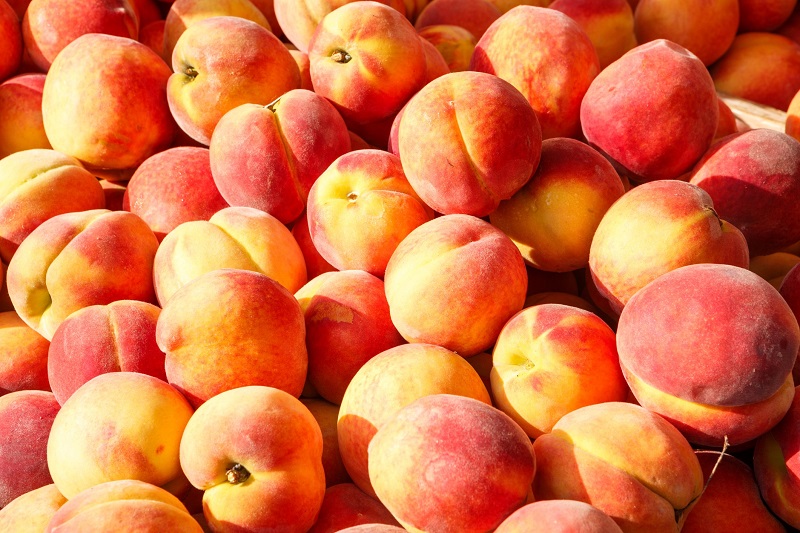
Fresh picked yellow peaches at an outdoor farmer's market

Biting into a fresh peach (fuzzy skin) or nectarine (smooth skin) is like a taste of summer sunshine. They are juicy but firm, with a lightly sweet flavor. Both come in varieties with deep yellow or white flesh. Peaches and nectarines are often sold before they’re fully ripe as they bruise easily once they hit their peak. They’ll finish ripening in a paper bag left at room temperature for a few days.

Nutritional highlights: Both peaches and nectarines are low in calories—about 60 for a medium size fruit—and provide you with around two grams of fiber each.12,13 They contain vitamins A, C and E, as well as potassium, calcium and iron. We also love that these summer foods are rich in antioxidants!14

Tasty ideas: Peaches and nectarines add sweetness and bulk to smoothies such as our Peachy Green Ginger Smoothie. Cut them up into cubes and add them to plain nonfat yogurt for a filling breakfast or lunch. If you love classic desserts, make our simple but satisfying Skinny Peach Cobbler. For a different yet light summer treat, slice peaches and nectarines in half and remove their pits. Brush the cut sides lightly with honey and sprinkle them with cinnamon. Grill them with the cut side down and cook for eight to 10 minutes, until the fruit is hot throughout.

7. Peppers
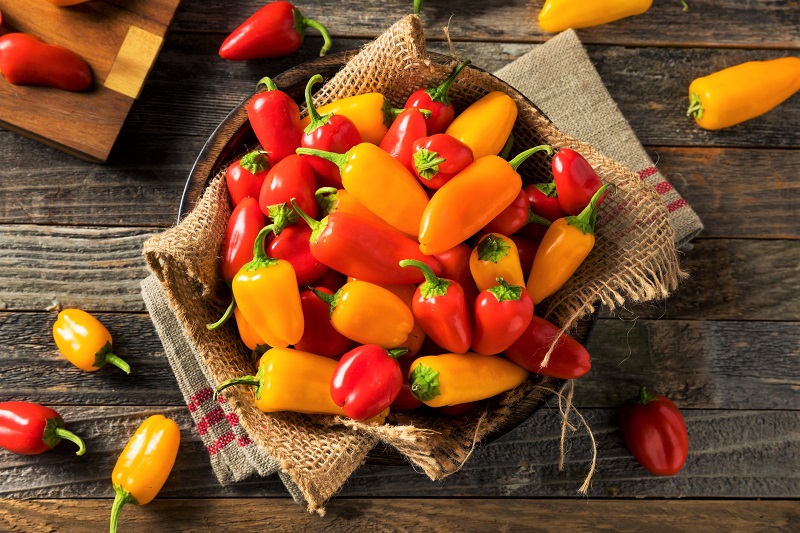
Raw Organic Mini Sweet Peppers

Sweet and hot peppers bring brilliant colors and flavors to many summer meals. They come in a wide range of types, from blocky bells to tapered frying peppers to spicy chilies that can be mild or fiery. Whichever type you like, keep in mind that the more colorful varieties are the most nutritious and tasty—green peppers in most cases are not fully ripe (though perfectly edible). They are all non-starchy vegetables, so you can eat as much of them as you want without hindering progress to your weight loss goal.

Nutritional highlights: A single bell pepper provides more than 100 percent of your daily needs for vitamin C. Peppers are also good sources of vitamin A and antioxidants.15 Capsaicin, the compound that is the source of the heat in hot peppers, has been shown in many studies to stoke your metabolism even after you’re done eating.16

Tasty ideas: Dip bell peppers slices in hummus for a filling snack. Meatball Stuffed Peppers is a simple and creative way to cook up one of your favorite Nutrisystem meals: Meatballs in Marinara Sauce. You can also toss a few—or a lot, if you dare—spicy peppers into omelets, chili or our Chicken Enchiladas recipe.

5 Ways to Lose Weight This Summer with Nutrisystem

Read More

8. Tomatoes
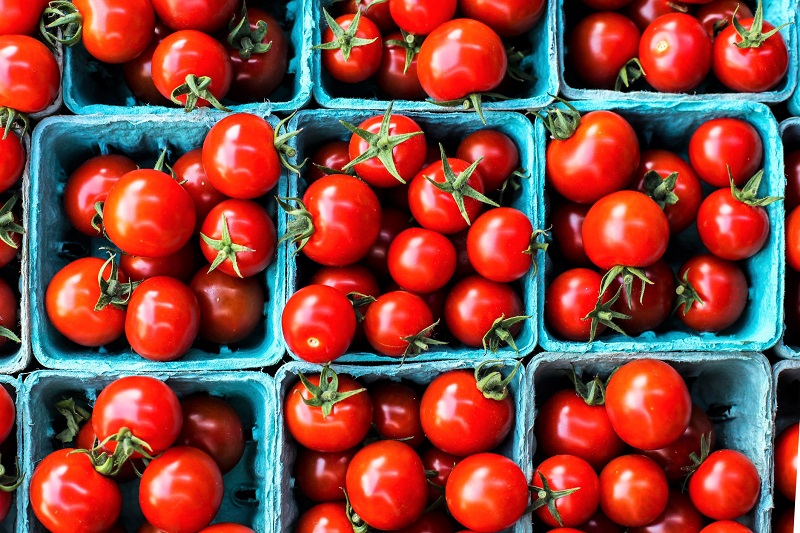
Red tomatoes from farmers market in paper containers

You can buy tomatoes year-round these days, but only in summer can you find them after they’ve ripened under the sun, with the perfect balance of acidity and sweetness. (In other seasons, tomatoes are grown in hot houses and picked before they’re fully ripe.) Growing your own is fun and you don’t need a big garden to produce a steady harvest—check out our guide to raising a healthy crop of tomatoes yourself. Whether you grow or buy tomatoes, the best tasting varieties are the heirloom beefsteak types—big and meaty, with just the right amount of juice inside. Paste or plum tomatoes are ideal for making fresh salsa or pasta sauce. Cherry tomatoes are easy to eat alone or added to summer salads and other seasonal foods.

Nutritional highlights: One cup of the average raw red tomatoes gives you about 20.4 milligrams of vitamin C, 353 milligrams of potassium and just 27 calories.17 According to the Annual Review of Food Science and Technology, “Lycopene is a non-provitamin A carotenoid that is responsible for the red to pink colors seen in tomatoes, pink grapefruit, and other foods.” This compound has been correlated with reduced risks of some cancers, however more research is needed on the subject.18 Bonus: Drinking tomato juice may help reduce body weight, body fat, waist circumference and BMI, according to a study in the journal Nutrition.19

Tasty ideas: Salsa is a flavorful dip and makes a tasty topping to so many dishes. Better yet, it’s a Free food, which means you can enjoy as much of it as you want. And it’s easy to make yourself in minutes with our simple recipe. Heirloom Tomato Salad is a perfect summer side dish for meals at home or a cookout with family and friends. For even more flavor, try oven roasting tomatoes.

9. Zucchini
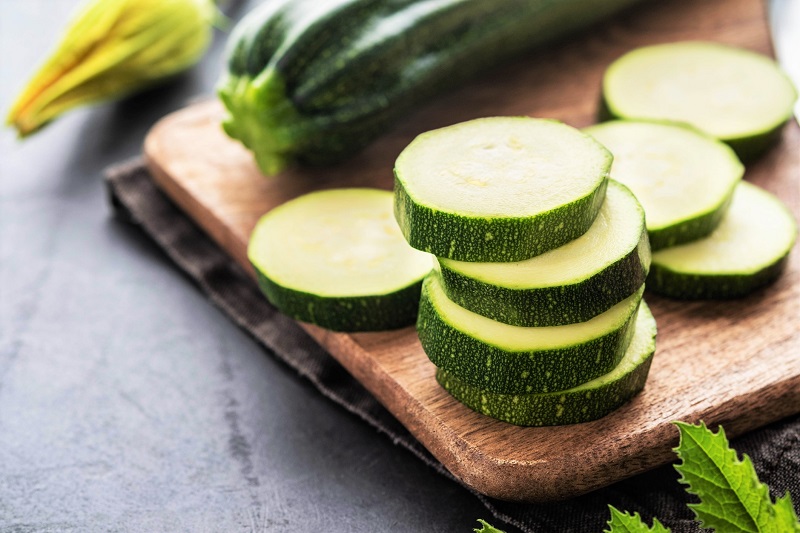
Fresh sliced zucchini on wooden table close up.

The green summer squash known as zucchini just might be the most versatile non-starchy vegetable. You can eat them raw with dip, grill or sauté them, and hollow them out as “boats” you can stuff with other ingredients. With a spiralizer tool, you can transform zucchini into zoodles—low-calorie, low-carb pasta. (You may also find zoodles pre-made in many supermarkets.) Thin-skinned yellow squash are also in season during the summer.

Nutritional highlights: In one cup of raw zucchini, you get 19 calories and less than one gram of fat. It also contains vitamin A, vitamin C and potassium.20

Tasty ideas: Add shredded zucchini to your favorite pancake recipe to start the day with a serving of non-starch vegetables. 4-Ingredient Stuffed Buffalo Zucchini Boats feature the flavor of your favorite chicken wing sauce along with melted mozzarella cheese. Try Crispy Zucchini Chips for dunking in salsa or other low-calorie dips.

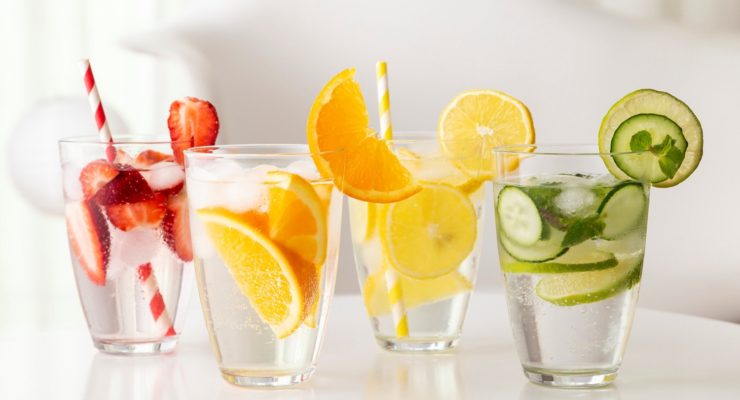
8 Infused Water Recipes to Sip on This Summer

Read More

Sources:

  1. https://fdc.nal.usda.gov/fdc-app.html#/food-details/172232/nutrients
  2. https://www.medicalnewstoday.com/articles/266425
  3. https://pubmed.ncbi.nlm.nih.gov/28952607/
  4. https://fdc.nal.usda.gov/fdc-app.html#/food-details/171711/nutrients
  5. https://www.cdc.gov/salt/potassium.htm
  6. https://academic.oup.com/advances/article/11/2/224/5536953
  7. https://www.livestrong.com/article/467346-cucumber-peel-benefits/
  8. https://www.medicalnewstoday.com/articles/283006#nutrition
  9. https://fdc.nal.usda.gov/fdc-app.html#/food-details/169229/nutrients
  10. https://www.medicalwesthospital.org/summer-melons.php
  11. https://www.ncbi.nlm.nih.gov/pmc/articles/PMC6470521/
  12. https://fdc.nal.usda.gov/fdc-app.html#/food-details/169928/nutrients
  13. https://fdc.nal.usda.gov/fdc-app.html#/food-details/169914/nutrients
  14. https://www.ackermancancercenter.com/the-health-benefits-of-nectarines-and-peaches/
  15. https://fcs.osu.edu/sites/fcs/files/imce/PDFs/Peppers.pdf
  16. https://www.ncbi.nlm.nih.gov/pmc/articles/PMC5426284/
  17. https://fdc.nal.usda.gov/fdc-app.html#/food-details/170457/nutrients
  18. https://www.ncbi.nlm.nih.gov/pmc/articles/PMC3850026/
  19. https://pubmed.ncbi.nlm.nih.gov/25837214/
  20. https://fdc.nal.usda.gov/fdc-app.html#/food-details/169291/nutrients

The post 9 Seasonal Summer Foods to Stock Up On appeared first on The Leaf.


from The Leaf https://leaf.nutrisystem.com/summer-foods-to-stock-up-on/

MKRdezign

Contact Form

Name

Email *

Message *

Powered by Blogger.
Javascript DisablePlease Enable Javascript To See All Widget