Latest Post

You’ve probably read that drinking coffee can promote weight loss, but did you know that tea may also help you shed pounds?

Green tea has garnered most of the headlines. Between its caffeine and the health-promoting antioxidants it contains, it might give your weight loss efforts a boost. Though most tea contains less caffeine than coffee, even a little bit seems to be able to boost your metabolism to burn calories. In green tea, it gets an able assist from antioxidants known as a catechins, says Healthline.

Green tea’s secret catechin weapon is epigallocatechin gallate (EGCG), which prevents the production of an enzyme that breaks down the fat-burning hormone norepinephrine. Letting norepinephrine loose, your cells break down more fat, turning it into energy your body uses rather than stores away. “In fact, caffeine and EGCG — both of which are found naturally in green tea — may have a synergistic effect,” says Healthline.

Belly fat, also known as visceral fat, can be extremely harmful to your health. Medial News Today explains that this abdominal fat can change how hormones work in your body, while also increasing the risk of heart disease, Type 2 diabetes, stroke, Alzheimer’s disease and more. While exercising for a minimum of 30 minutes per day can help you burn visceral fat, green tea can also be a complementary habit that you can add to your routine. According to Healthline, “Several studies on green tea catechins show that although the weight loss effects are modest, a significant percentage of fat lost is harmful visceral fat.”

green tea being poured into a small tea cup

If you like tea, then you should be drinking more of it. Habitual tea drinkers have been shown to have a lower body fat percentage and smaller waist-to-hip ratio than those who do not drink tea regularly, according to a study of 1,210 adults, published in the journal Obesity Research. The study found that this correlation was strongest in those who maintained this tea-drinking habit for more than 10 years.

And don’t just limit yourself to green tea. Black tea—the kind in most regular breakfast teabags and in the pot at Chinese restaurants—may be just as powerful a weight loss friend.
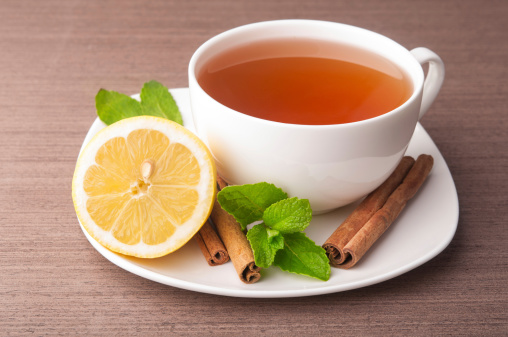
How to Have a Tastier Tea Time

Read More

In one 2017 study, published in the European Journal of Nutrition, researchers fed mice micronutrients called polyphenols from decaffeinated green tea and black tea. They put them on a diet designed to make them gain weight (lots of fat and sugar). Well, they didn’t gain weight. In fact, they lost weight. The researchers took a look at the animals’ gut bacteria and discovered that the types of gut bacteria—called flora—in the mice had been altered. There was less of a type of bacteria that’s been linked to obesity and a significant increase in the number of bacteria associated with leanness.  And both green and black teas were responsible for the effect.
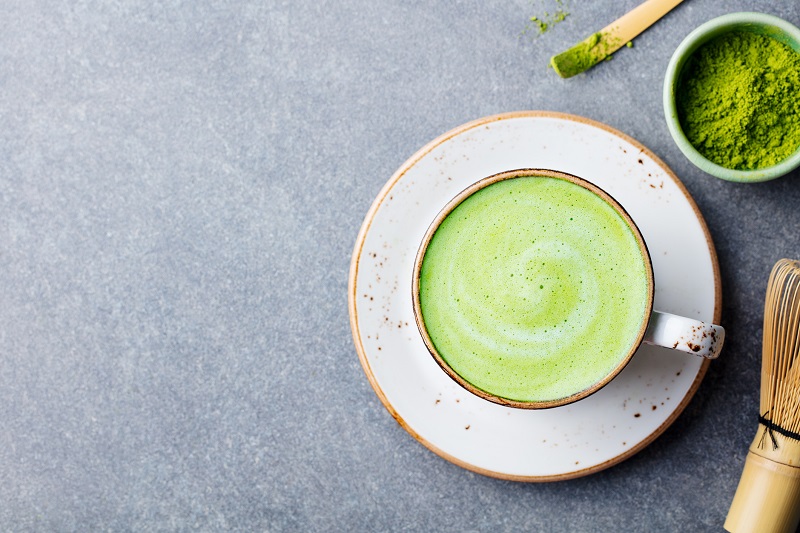
a cup of matcha green tea with a cup of raw matcha powder

Along with drinking plain green or black tea (no cream or sugar—they can negate the weight loss effect), consider adding a Japanese green tea powder called matcha to some of your recipes. According to the University of New England (UNE), “because matcha tea contains the entire ground up tea leaf, a cup of the stuff contains more antioxidants than traditional steeped green tea.” These antioxidants may provide liver protection and help with detoxification of the body while also boosting brain function, decreasing the risk of cancer and lowering bad cholesterol.

UNE also explains that “drinking matcha may assist with weight loss, but only when combined with regular physical activity.” It does not replace a healthy and balanced diet, just complements it. It should be enjoyed in moderation due the caffeine content which is “comparable to that of coffee,” says UNE.

Here are four delicious ways to work a little matcha magic into your diet:

1. Matcha Blueberry Muffins >
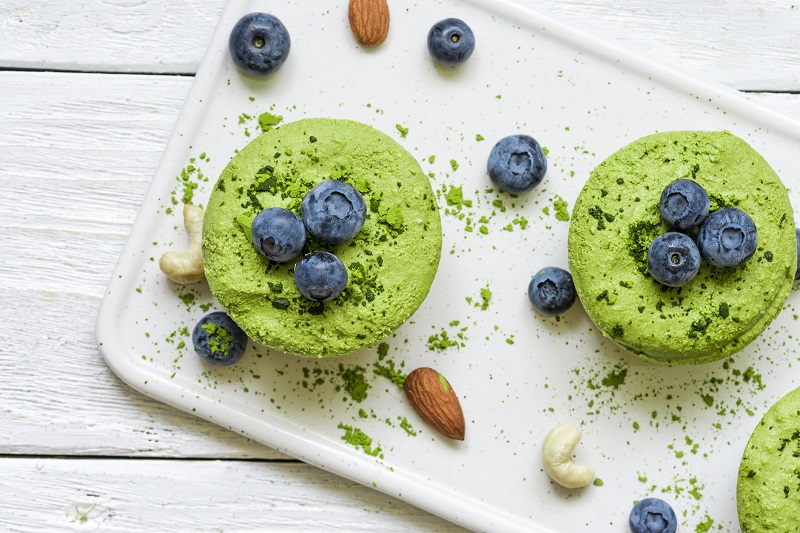
matcha blueberry muffins

Calories per Serving: 106

On Nutrisystem, Count As: 1 SmartCarb and 1 Extra

The first thing you’ll notice is the bright spring green color that matcha brings to baked goods (and everything else). That’s the health-promoting chlorophyll and antioxidants you’re seeing. Paired with the abundant antioxidants of blueberries, these muffins are a breakfast powerhouse. Plus, they are so easy to whip up! Simply combine dry rolled oats, baking powder, whole wheat flour, matcha powder and baking soda in one bowl. In a separate bowl, mix together two eggs, almond milk, unsweetened apple sauce and coconut oil. Combine the two, add blueberries and bake for 20-25 minutes in a prepared muffin tin. Get the recipe here! >

2. Guilt-Free Iced Matcha Latte >
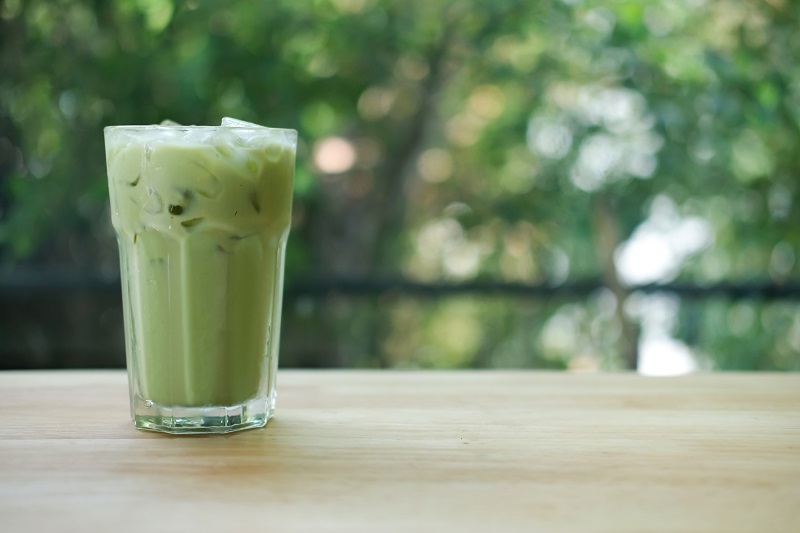
guilt free iced matcha latte

Calories per Serving: 34

On Nutrisystem, Count As: 1 Extra

The reason this is called “guilt free” is because it isn’t the calorie bomb you get at your favorite coffee shop, which can deliver as much as 200 calories. Our version is only 34 calories: Guilt be gone! To make it, just combine matcha powder with boiled water, then mix in almond milk that’s been simmered, one packet of stevia and ice if you want your drink frosty. Get the recipe here! >

3. Blueberry Green Tea Smoothie >
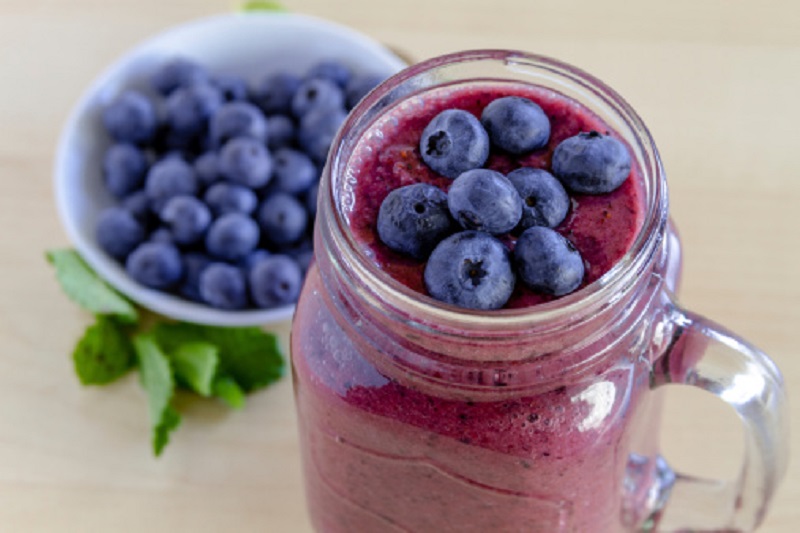
blueberry green tea smoothie

Calories per Serving: 108

On Nutrisystem, Count As: ½ SmartCarb and ½ PowerFuel

Stevia sweetens this early-morning wake-up call of a smoothie, which is also rich in protein thanks to plain nonfat Greek yogurt. We also combine healthy antioxidants from matcha and blueberries. It’s a refreshing beverage that’s perfect for warm weather. Get the recipe here! >

4. Matcha Melon Smoothie >
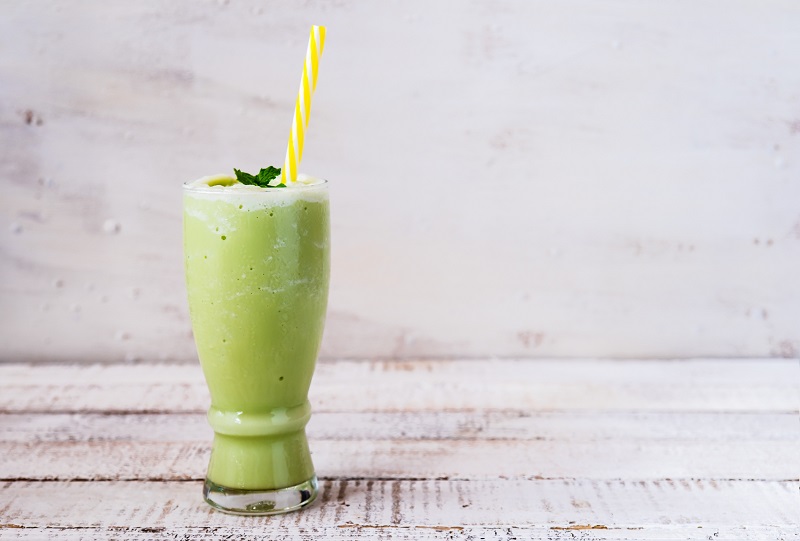
matcha melon smoothie

Calories per Serving: 113

On Nutrisystem, Count As: 1 SmartCarb and 1 Extra

What a sweet, energizing way to start your day! The melon and matcha are a perfect match and this breakfast is a cinch to make. Get out your blender and toss in matcha, skim milk, nonfat plain Greek yogurt, honeydew melon chunks, honey, chia seeds and ice. Blend it to perfection and you have a delicious 113-calorie smoothie that will start your day off right! Get the recipe here! >

*Always speak to your doctor before adding tea and other caffeinated beverages into your routine to ensure it’s safe for you.

6 Hot Drinks to Help You Warm Up and Slim Down

Read More

The post Go Green! The Health Benefits of Green Tea for Weight Loss appeared first on The Leaf.


from The Leaf https://leaf.nutrisystem.com/health-benefits-of-green-tea-for-weight-loss/
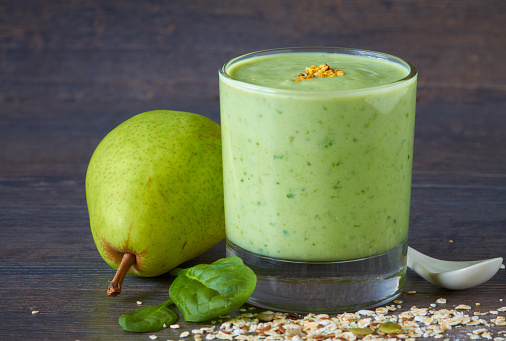
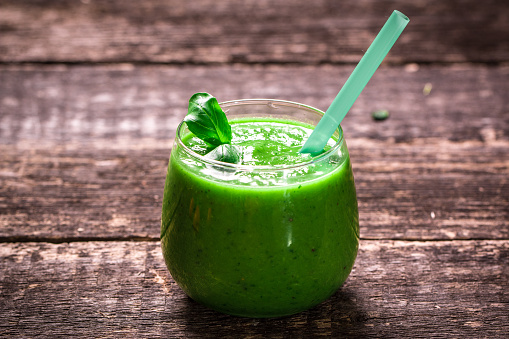
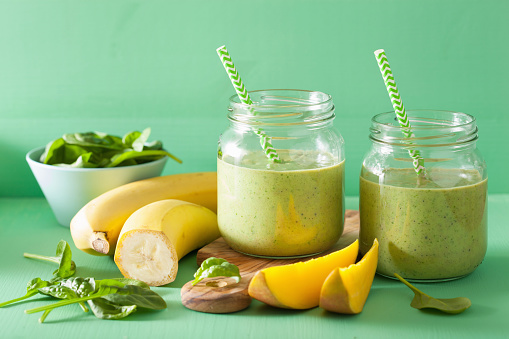
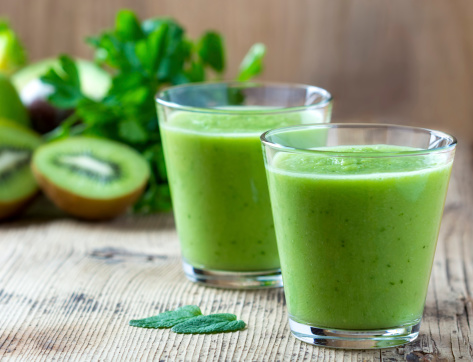
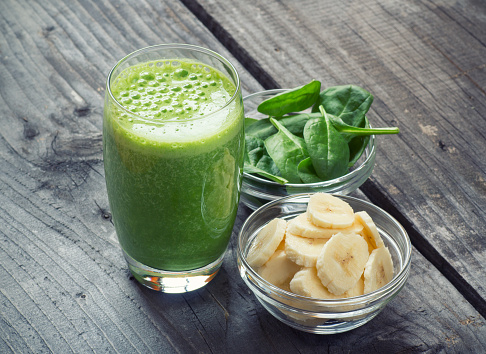
We love green smoothies. That’s because they make for a super simple (and delicious!) way to load up on all kinds of body-boosting nutrients. Plus, it’s really easy to customize the ingredients so that you create one you actually crave (and don’t have to hold your nose just to toss back).

And, for the non-veggie lovers among us, green smoothies are a great vehicle for sneaking in those good-for-you greens without actually having to taste them.

Helpful hint: Just click on the name or image to view the full recipe.

Here are 11 of our favorite healthy green smoothie recipes:

Give them a go, then be sure to share your own go-to green smoothie recipe!

1. Green Goddess Smoothie >

green goddess smoothie
This delicious Green Goddess Smoothie features a variety of good-for-you ingredients like spinach, lemon, ginger, honey and chia seeds, sure to leave you feeling clean and lean.

2. Peachy Green Ginger Smoothie >

peachy green ginger smoothie
You’ll love the flavor of this Peachy Green Ginger Smoothie, which includes frozen peaches and banana, plus spinach, almond milk and ginger.

3. Mango Madness Green Smoothie >

mango smoothie
This delicious mango smoothie, which includes your Vanilla Nutrisystem Shake, frozen banana and mango slices, plus spinach, honey and almond milk, isn’t just brimming with nutrition… it’s full of flavor, too!

4. Kiwi Vanilla Smoothie >

kiwi vanilla
You’ll love this Kiwi Vanilla Smoothie, which uses your Vanilla Nutrisystem Shake (or any of your favorite protein shakes), banana slices, kiwi and kale.

5. PB & Berry Green Smoothie >

PB & Berry
Try this delicious PB & Berry Smoothie for a delicious drink that’s loaded with nutrition, thanks to the addition of banana, blueberries, kale, peanut butter and almond milk.

6. Lean, Green, Grape Machine Smoothie >

Lean, Green, Grape Machine
Your body (and taste buds!) will thank you for this delicious and nutritious green smoothie, which uses frozen red grapes to sweeten up spinach and almond milk.

7. Kale ‘Em with Green-ness Smoothie >

kale smoothie
This delicious Kale ‘Em with Greenness Smoothie is surprisingly sweet, thanks to the addition of red apple (feel free to try it with green apple… we love all greens!), Vanilla Nutrisystem Shake mix and frozen banana, which masks the slight bitterness of kale.

While technically not green in color, these delicious smoothies also include a healthy dose of leafy greens, winning them a spot in our line-up of top green smoothies you’re sure to love:

8. Vanilla Lime Milkshake >

vanilla lime
This delicious Vanilla Lime Milkshake featuring fat-free vanilla yogurt, fat-free milk, frozen banana, spinach leaves, dried dates, plus lime juice and vanilla extract, is so tasty, you’ll have a hard time believing it’s healthy!

9. Green Tropics Smoothie >

green tropics smoothie
We probably shouldn’t tell you this, but this delicious Green Tropics Smoothie is probably our favorite smoothie OF ALL TIME. Featuring frozen pineapple and banana, plus spinach, coconut water and Vanilla Nutrisystem Shake, this refreshing treat is like a piece of paradise in every pour.

10. Berry Green Smoothie >

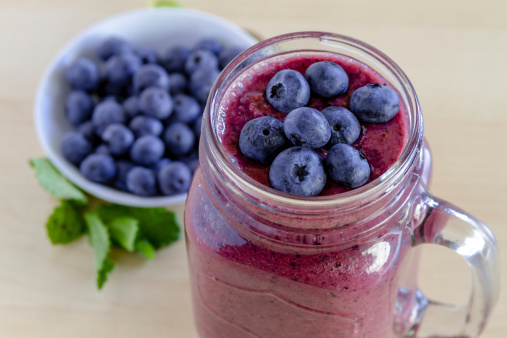
blueberry smoothie
This Berry Green Smoothie is a delicious way to sneak some extra greens into your day. To make it, just blend your Vanilla Nutrisystem Shake (or any of your favorite protein powders) with unsweetened almond milk, frozen berries, kale and a splash of water. Simple… and delicious!

11. Mint Chocolate Smoothie >

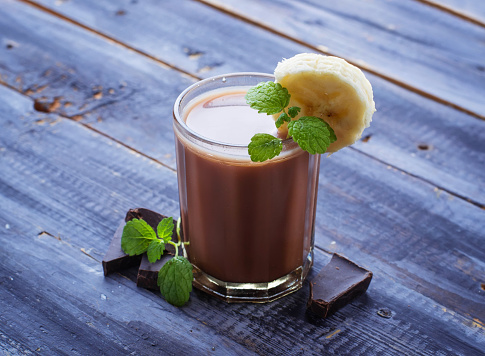
mint chocolate
Featuring your Chocolate Nutrisystem Shake, a splash of mint extract, water and ice, plus a half cup of kale for added nutrition, this Mint Chocolate Smoothie is super simple… and super delicious!

The post Go Green! 11 Green Smoothie Recipes for Earth Day appeared first on The Leaf.


from The Leaf https://leaf.nutrisystem.com/11-green-smoothies-that-will-rock-your-world/

We celebrate Earth Day annually on April 22. A day that marks the birth of the modern environmental movement. So, this year for Earth Day, let’s talk trash! More specifically, food waste.

Now, you may be saying to yourself, “why on earth are we talking about food waste on a weight loss blog?” Let’s start with the fact that food waste in American (and around the world really) is a big problem – so much so that USDA research tells us the average American household throws out about $1,500 worth of groceries each year.

At a time when food prices are soaring higher and higher every day at the grocery store, this alone may be a good reason to start thinking about how much food you and your family throw out each day. But, when it comes to nutrition, one study reported on average that Americans waste about one pound of food per person EVERY DAY, with most of that food waste in the form of nutritious fruits and vegetables.

So, while many of us purchase fruits and vegetables to eat a healthier diet; we may find that we are guilty (I know I am!) of the occasional produce that gets put in the refrigerator with good intentions, only to go “out of sight, out of mind”. Thus, ending its life in a landfill instead of your belly.

This is the reason that I chose to focus on this important topic for Earth Day. As a dietitian, it breaks my heart to think about how much of these nutrition powerhouses are ending up in our landfills. And, instead of nourishing our bodies, they end up negatively impacting our environment.

But do not worry! Because with a little bit of planning and foresight, we all can find ways to help reduce the amount of food that makes its way into our trashcan.

There are many ways you can help reduce food waste. I’m sharing a few strategies that I have put into place in my kitchen to help reduce my family’s waste. But, keep in mind, just like a good weight loss plan, it is not going to be one-sized fits all. What works for me, may not work for you. The key is to find what does work for you. And remember that you do not have to take everything on all at once, nor do you have to be 100% perfect in your efforts. You may find that you still end up with the occasional produce or bread slice that gets tossed. And that is okay. You are still doing your part by taking those baby steps to try one or two small strategies that will keep you moving in the right direction and making progress. Making your body and the planet a better place!

1. Plan. Plan. Plan.

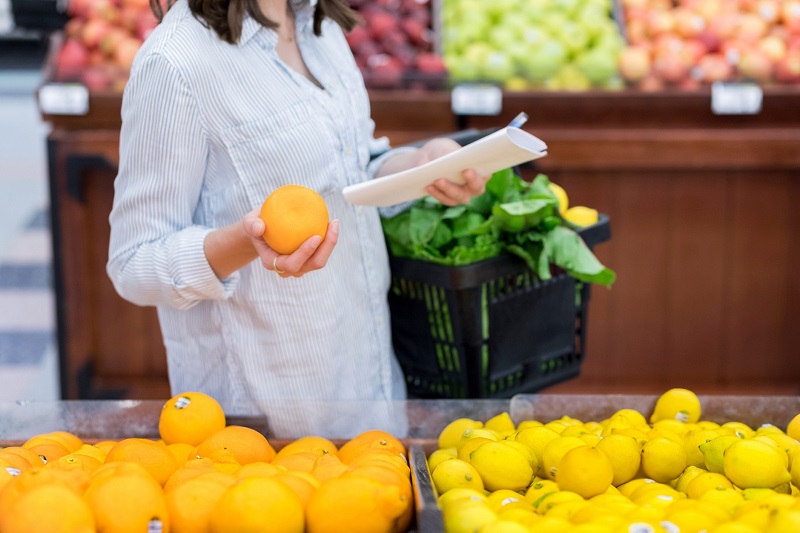
woman grocery shopping for fruit holding a basket and a shopping list

I cannot say this enough. When it comes to minimizing food waste planning is key. When you plan out your meals and snacks for the week, you are more likely to create and stick to a shopping list at the supermarket that is armed with only those ingredients you will need for the week. This reduces your odds of impulse purchases at the store.

Because we all know that those colorful, perfect-looking fruits and vegetables can be enticing in the store, but if you do not have a plan for them, they may be more likely to end up in your trash by weeks’ end than in a recipe or two.

And, when planning out your weekly meals and snacks, bonus points if you plan to use the same ingredients in multiple ways. This helps ensure you are using up an entire ingredient, rather than just needing a little bit for one recipe. So, think Nutrisystem Artichoke and Spinach Stuffed Chicken Breast with a side of asparagus for dinner one night, and then use the remaining asparagus to make an Asparagus Frittata for a quick flex breakfast or lunch later in the week.

2. Save those veggie scraps.

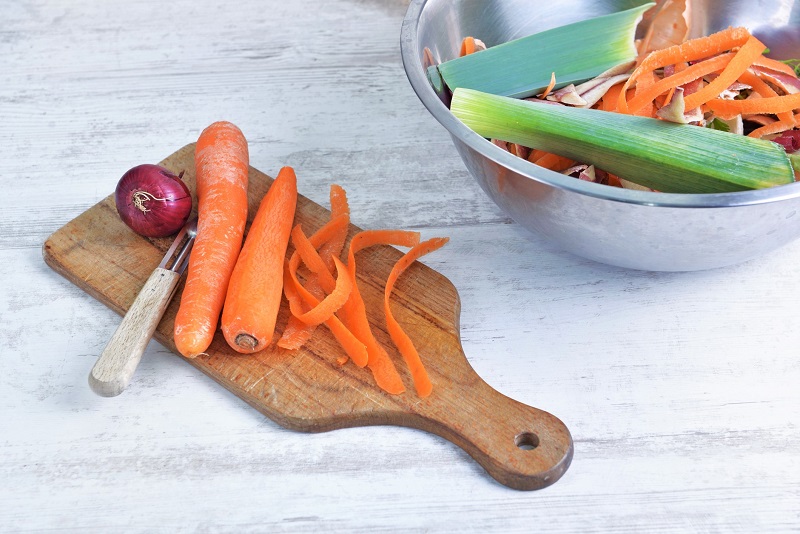
veggie scraps in a bowl to prevent food waste

I learned several years ago just how precious all my veggie scraps are when I realized this trick. You can use those scraps to make your own homemade broths! This has allowed me to not only put these scraps to good use, but it has also allowed me to reduce the amount of broth I need to buy at the store! And, I always have broth on hand when I may want to add more flavor while cooking whole grains, like quinoa, rice, or barley.

So, keep those veggies scraps – this includes the stems, skins, tops, and bottoms. Add them directly to a freezer bag and store in your freezer. Continue to add more scraps and when the bag is full, that is when you know it is time to make some broth!

Add the scraps to a large pot and fill the pot with water until the scraps are covered. Bring the water to a boil and then bring it down to a simmer. Simmer on the stove for at least one hour. You can also speed up the process by making all of this in an Instant Pot or pressure cooker. Once done, strain the broth from the veggie scraps. Store the broth in the refrigerator for 3 to 4 days or freeze in glass jars for up to one year.

Most veggie scraps work great. A few examples include onion or garlic peelings, celery leaves and stalk ends, carrot skins, or potato skins. You can get creative and add herbs, spices, or whole garlic cloves directly to the pot while the broth is simmering. And, for more options beyond vegetable broth, I even like to save the bones from store-bought rotisserie chicken, or even those holiday turkey bones or roast scraps. Add these meat scraps to a separate freezer bag in your freezer and follow the same process to make chicken, turkey, or beef broths.

3. Do not overlook the value of frozen foods.

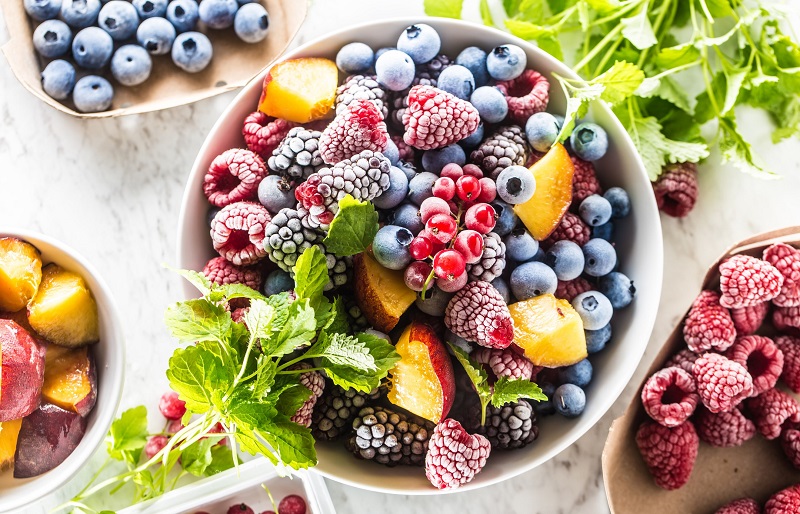
frozen fruit in a bowl with herbs

Using frozen foods and meals can also help to reduce food waste. And, don’t think you are missing out on nutrition when you opt for frozen. Many times, frozen foods can be just as nutritious, if not more so, than their fresh counterparts.

Frozen fruits and vegetables can make great side dishes or be incorporated into smoothies. And, frozen meals, like your Nutrisystem entrees, offer a great way to try out new cuisines and flavors without having to invest in multiple ingredients, where only a fraction of what you purchase needs to be used to make the meal. Plus, just the sheer convenience of them while being pre-portioned helps tremendously to minimize food waste.

4. Make ice cube trays your new best friend.

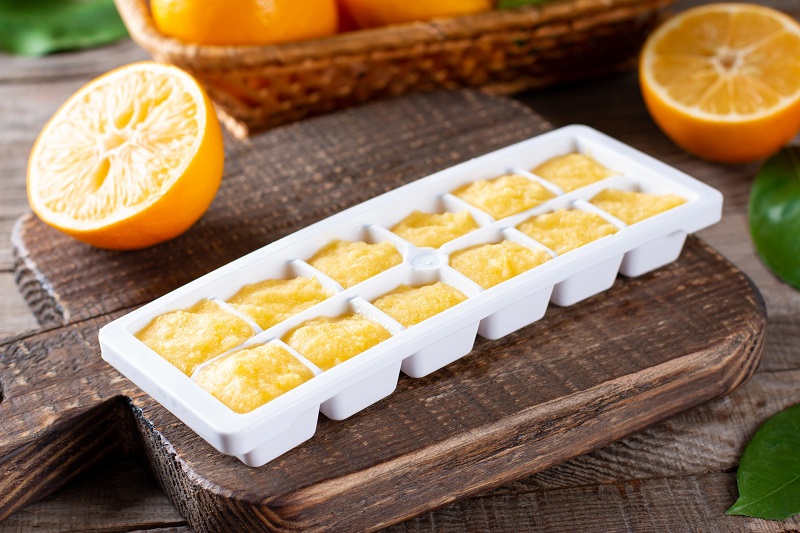
a plastic white ice cube tray filled with pureed fruit

Ice cube trays make a great tool to easily freeze and store ingredients that may be leftovers from a recipe or that may be about to be past their prime. Ingredients that work best are going to be those that add flavor to your next meal!

Did you ever have a recipe that called for just the zest of a lemon or lime? Squeeze the juice into ice cube trays and freeze. Then, the next time you are looking to add citrus to your guacamole, or make a homemade marinate or salad dressing, you have some citrus juice already on hand! Or, you can even use them as ice cubes to add flavor to your water.

Other options for ice cube trays include chopped herbs in oil or water, wine, tomato paste, or pesto. All of these ingredients make a convenient option to pop into a can of tomatoes to make your own homemade pasta sauce, or add to soup, or a stew to enhance the flavor of the final dish.

And, don’t forget about those fruits and veggies sitting in the back of your fridge! Puree them up and add them to an ice cube tray. Once frozen you can pop them out and store the cubes in a freezer bag. Now, you have the perfect nutrition-packed frozen cube to add to your next smoothie or blend with your protein shake!

5. Have a weekly “clean out the fridge” night.

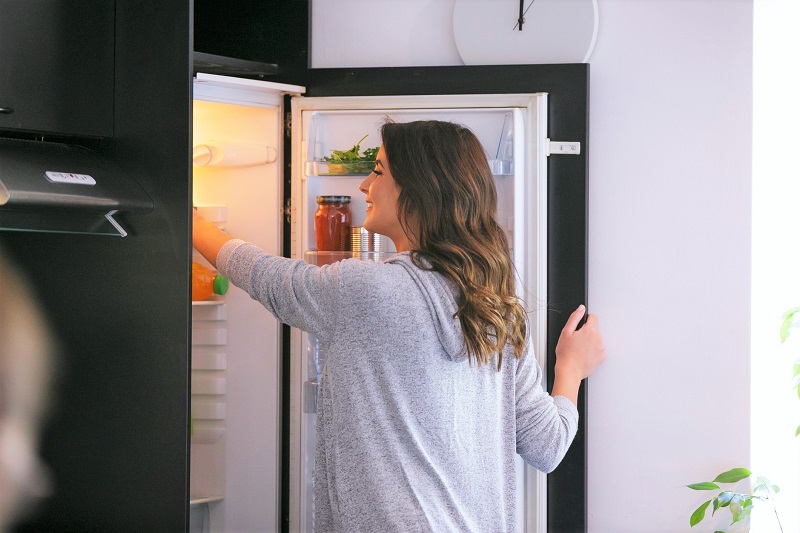
woman organizing and cleaning out her fridge to prevent food waste

Even with the best of intentions, leftovers can tend to build up in the fridge over the course of the week. This is why I like to set aside one night each week as a “clean out the fridge” night. I love this night because not only does it reduce the food we waste, but it saves me time because dinner is often just a quick reheat! On this night, all leftovers get set out and it becomes a bit of a smorgasbord for my family!

The middle of the week works best for my family to have a “clean out” because it also gives me the opportunity to check in with what is on the meal plan for the rest of the week and see if anything needs to be adjusted in my plan. This allows me to use up other ingredients first that may be starting to go bad. For example, maybe I was planning to have a salad as a side dish later in the week, but the lettuce seems to be starting to turn, so I decide to move it up in the rotation and save the frozen veggies as the side later in the week.

The important thing is to pick a day that works best for you and your family. Maybe the end of the week is a better “clean out” day than mid-week. Plan to still enjoy your Nutrisystem dinner but use your “clean up” to serve up any of those unlimited veggies that may be starting to overstay their welcome in your fridge. Or try planning your “clean out” day on a day that you plan to have a Flex meal.

6. Get creative with recipes.

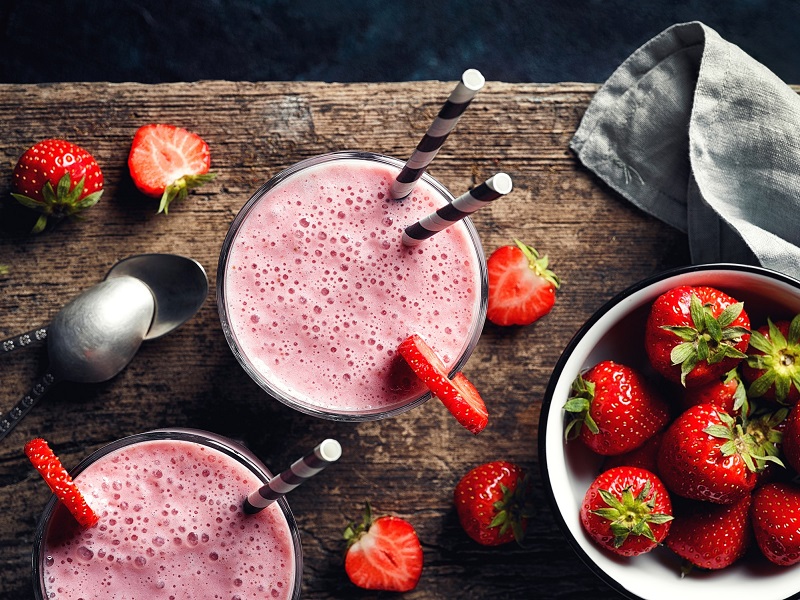
Two glasses of strawberry milkshakes on old wooden table.

A recipe does not have to be set in stone. This is one of the reasons I love to read recipes. Recipes give me ideas, but then I can add my own twist to it to make it my own! Getting creative and switching up your recipes every now and again can be a lot of fun, but it can also be a great practice to help minimize food waste!

Tweaking your favorite recipes is one way to use up foods you may have on hand. Often, you will find that fruits can be swapped out for any other fruit you have on hand, and vegetables can be swapped out for other veggies that may be in your fridge. Check out The Leaf for recipe inspiration.

Think the Asian Chicken Lettuce Wraps look delicious, but you have ground turkey left over from last night’s Flex dinner? No problem, replace the grilled chicken for ground turkey and enjoy these wraps as a part of your Flex lunch! Or, interested in the Leek and Mushroom Quiche but do not have leeks or mushrooms on hand? No problem! Replace them with whatever veggies you find in your crisper drawer, such as bell peppers, sweet onions, and broccoli! Get creative, have fun, and most importantly reduce food waste in your kitchen!

I am hopeful that these tips from my kitchen help to inspire you to adopt some food waste prevention strategies of your own. But remember, everyone’s kitchen and food waste efforts are going to look a little bit different. What works for you, may not work for your neighbor. And that is okay! We all need to start somewhere, and remember that every little bit, no matter how small, is making a difference! I would love to hear your tips and strategies too! So, please leave a comment and tell me how you are working towards preventing food waste in your home!

The post 6 Dietitian-Approved Tips to Reduce Food Waste appeared first on The Leaf.


from The Leaf https://leaf.nutrisystem.com/tips-to-reduce-food-waste/

Sure, you can simply peel and eat ’em: These sweet and creamy fruits are packed with heart-healthy potassium, filling fiber and lots of vitamins and minerals; on Nutrisystem, one medium banana counts as one SmartCarb. In fact, bananas are our top logged SmartCarb in NuMi, our easy-to-use food tracker app, being logged 510,925 times! If you’ve got some super ripe bananas sitting on your counter, and a little time on your hands, you can turn these awesome fruits into an array of banana recipes. Think banana bread, muffins, pancakes, smoothies and more!

12 Strawberry Recipes Sweet Enough to Eat

Read More

Try one (or all!) of these ten banana recipes and prepare to go “bananas”:

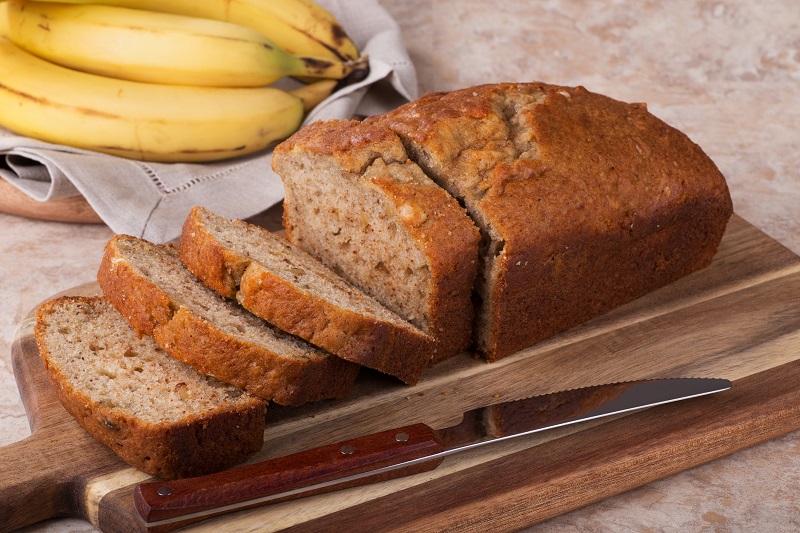
1. Gluten Free Banana Bread  >

Banana Nut Bread

To kick off our banana recipes, this delicious banana bread is a tasty classic that comes to mind when you’re cooking with bananas, and this healthy treat does not disappoint. Applesauce helps it bake soft and moist, ripe bananas and cinnamon offer the perfect blend of sweet and spice, and each hearty slice contains only 150 calories. Plus, it’s made with gluten free flour for people who have wheat allergies or other sensitivities. Click here for the full recipe! >

2. Banana Nut Overnight Oatmeal >

oatmeal

Don’t let the idea of an “overnight” recipe scare you: All you have to do is toss a bunch of ingredients into a mason jar, stick in the fridge and voila—a ready-to-eat breakfast that’s equal parts nutritious and delicious. It’s got fresh-sliced banana and crushed walnuts, flavorful almond milk and maple syrup, and oats that are packed with satisfying fiber and protein. Enjoy the oatmeal cold; or heat up the jar if you prefer a warm meal to start your day. Each serving clocks in at 276 calories. Click here for the full recipe! >

3. Rise & Dine Chocolate Crepes >

chocolate-crepes

Paging all chocolate lovers: That “something sweet” you need to start your day is right here. These delicious crepes are light, airy and easy to make. Fill them with a combo of cream cheese, yogurt, vanilla and banana slices, and top with a sprinkle of cocoa powder for a picture-perfect finishing touch. Two crepes contain 217 calories and count as one Smart Carb, one PowerFuel and one Extra on Nutrisystem. Click here for the full recipe! >

10 Tasty Blueberry Recipes You Need to Bookmark Right Now

Read More

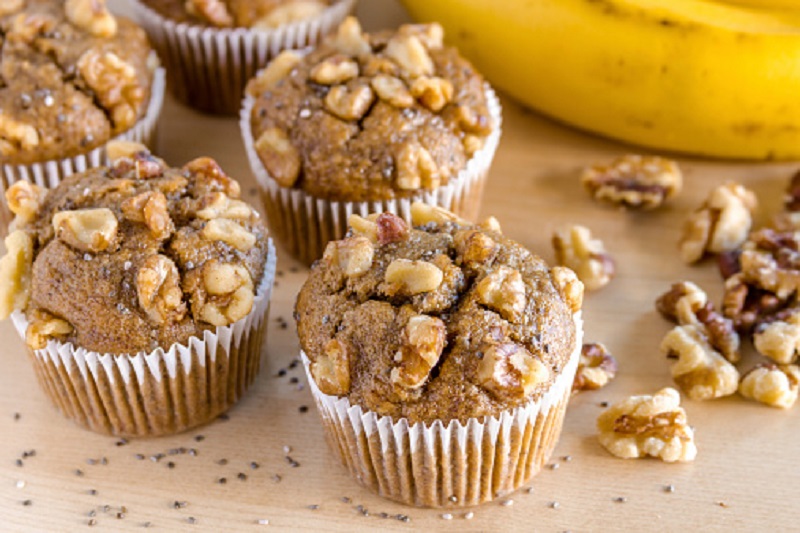
4. 5-Ingredient Banana Nut Muffins >

banana-nut-muffin

No need for flour, sugar, eggs, separate bowls for wet and dry ingredients, or any other complicated steps to make these muffins. With this recipe, it’s five simple ingredients (bananas, oats, raisins, cashews and cinnamon), one bowl and about 15 minutes in the oven. Not into raisins? No problem. Swap them out for cranberries or any other dried fruit. No cashews in your pantry? Use another favorite nut, like almonds or walnuts. Personalize your muffin to make the perfect grab-and-go snack. On Nutrisystem, one muffin counts as one SmartCarb and one PowerFuel. Click here for the full recipe! >

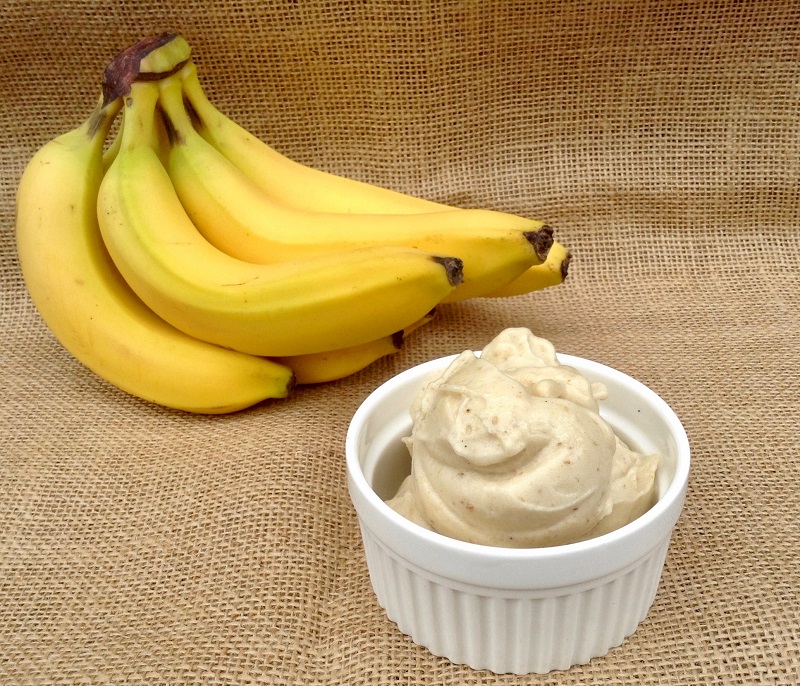
5. 4-Ingredient Banana Nice Cream >

Banana-Nice-Cream

Get this: One cup of standard vanilla ice cream weighs in at 273 calories and 28 grams of sugar, according to United States Department of Agriculture (USDA). And that’s just plain old vanilla. With Nutrisystem’s nice cream, however, feel free to dive in spoon first, sans the worry. This banana-flavored version offers the same creamy sweetness you expect from the frozen treat, but at 110 calories per serving. And you just need bananas, almond milk, vanilla, salt and a blender to make it. Puree to a soft-serve consistency or pop it in the freezer for a firmer texture. Click here for the full recipe! >

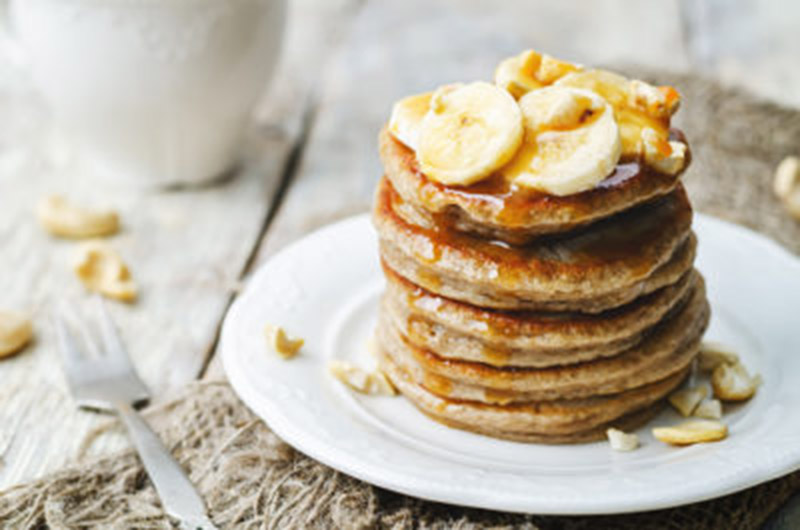
6. 3-Ingredient Banana Pancakes >

pancakes

Bananas of course, plus eggs and cinnamon: Mash and mix, pour and flip. It’s that simple. You get four hearty pancakes that count as two PowerFuels and one Smart Carb. Top them with a Tablespoon of maple syrup (and add one Extra). Click here for the full recipe! >

It’s Fruit Season! 11 Tasty Dessert Recipes Featuring Fruit

Read More

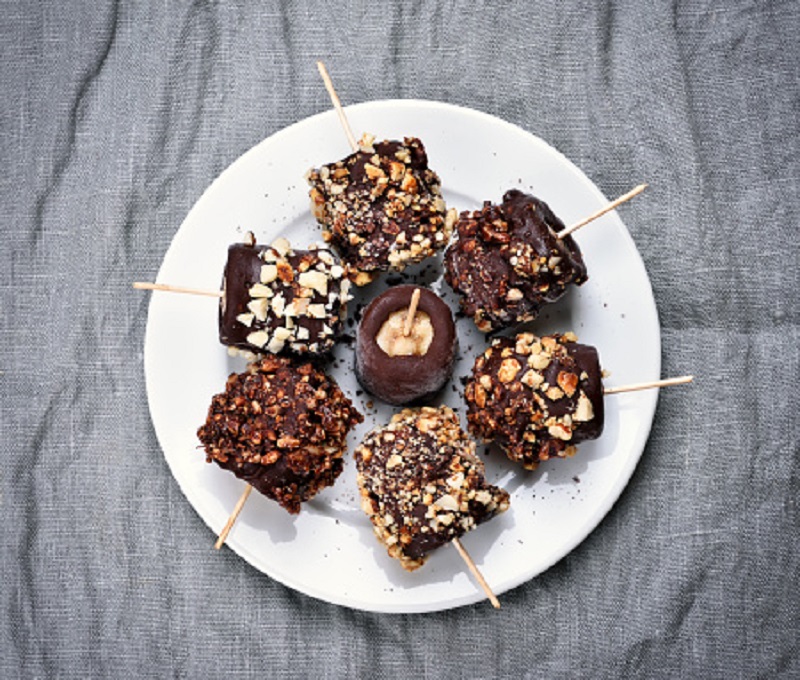
7. Chocolate Covered Banana Bites >

chocolate-covered-banana-bites

You get the rich and indulgent flavor you crave in each decadent bite, with absolutely none of the guilt. And this frozen treat layers on the good stuff: Shredded coconut, peanut butter and chocolate coat a chunk of banana for a little piece of dessert heaven on a popsicle stick. On Nutrisystem, each serving counts as one SmartCarb and one Extra. Click here for the full recipe! >

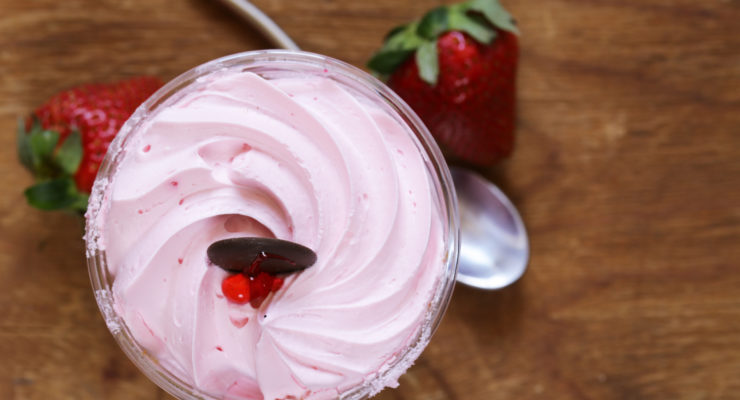
8. 3-Step Banana Pudding >

Cream pudding with whipped cream on wooden background

For some, banana pudding is pure comfort food. For others, it’s a taste of nostalgia. Whatever you’re feeling when you savor a spoonful of one of the creamiest banana recipes, the one emotion you won’t have is guilt. That’s because each serving contains 149 calories—and the serving is pretty large. Have it all and it counts as one SmartCarb, one PowerFuel and two Extras. Click here for the full recipe! >

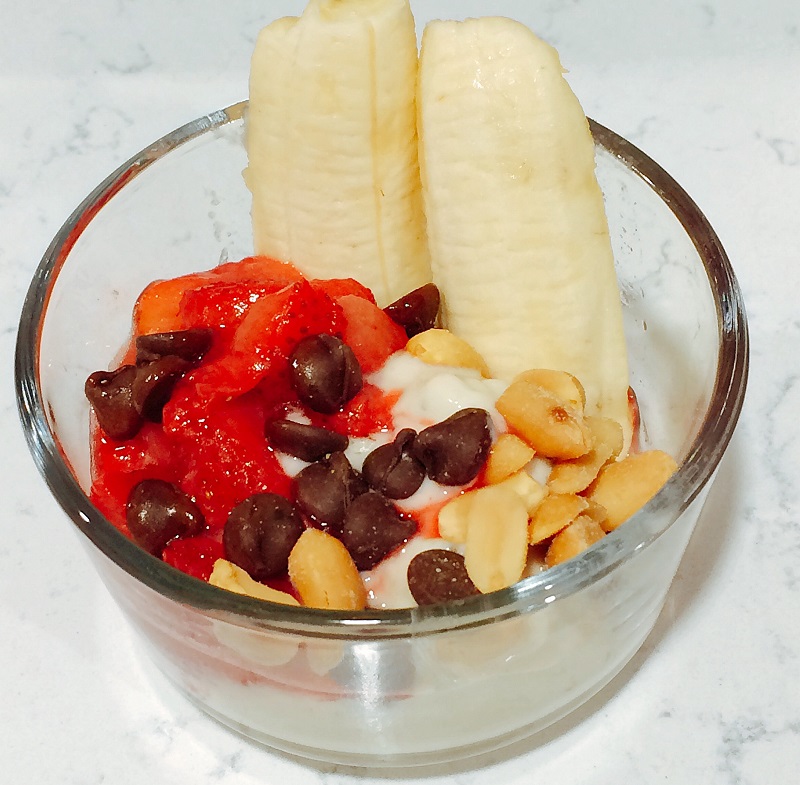
9. Banana Split “Nice” Cream >

Banana-Split-Nice-Cream

It doesn’t seem possible that this dessert is diet-friendly: Chocolate chips, peanuts, strawberry sauce and chunks of banana over a bowl of cold, creamy goodness. But it most certainly is: The “nice” cream—made from bananas, vanilla and nonfat Greek yogurt—is packed with protein. The sauce—made from simmered and smashed fresh strawberries—offers a punch of vitamin C; and the peanuts provide healthy fats. The combination: just 259 calories per serving. Click here for the full recipe! >

12 Mouthwatering Pudding Recipes to Savor

Read More

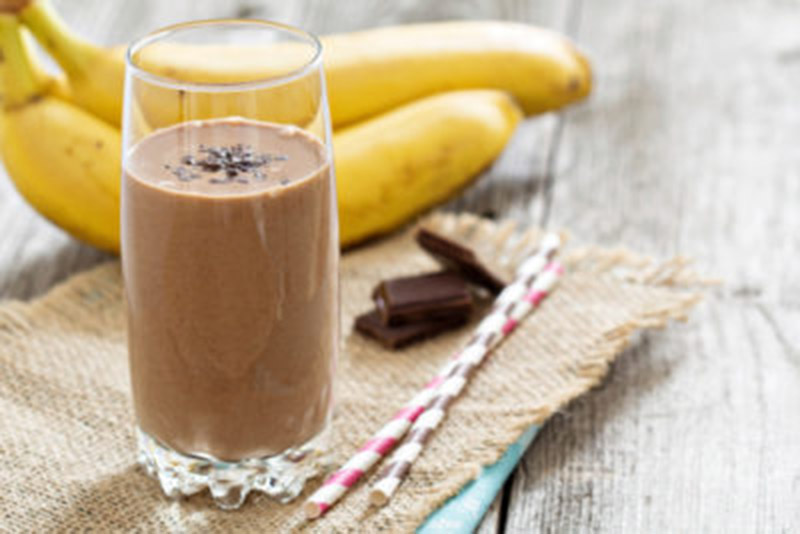
10. Chocolate Peanut Butter Banana Smoothie >

banana recipes

The last of our banana recipes is a classic treat. Three favorite flavors, one yummy smoothie. To make it, blend a frozen banana, a tablespoon of creamy peanut butter and a serving of the Nutrisystem Chocolate Shake Mix with a little ice and water until smooth and sip-able. Each smoothie counts as two PowerFuels and one SmartCarb. Click here for the full recipe! >

The post It’s National Banana Day! 10 Recipes You’ll Go Bananas For appeared first on The Leaf.


from The Leaf https://leaf.nutrisystem.com/banana-recipes/
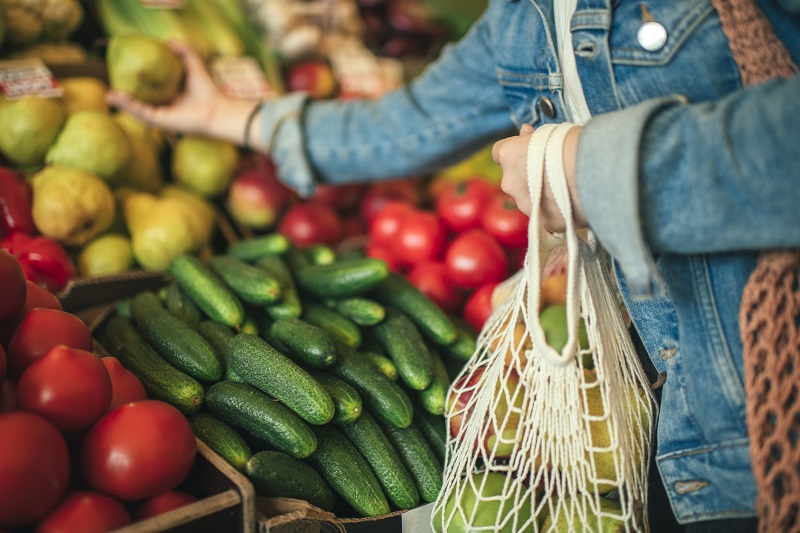
These days, shopping for food and eating out can hit you with “sticker shock” when you see the receipts. The prices for groceries and restaurant meals increased an average of six percent in 2021 and they aren’t likely to decrease anytime soon. Now here’s the good news: you can eat a healthy diet, lose weight AND save money on food. Here are 10 smart strategies to help trim up your food bills and your waistline.

1. Plan ahead.

Women writing down a plan at the kitchen table

One of the smartest weight loss strategies is also helpful for saving money at the grocery store. Before you shop, make a plan for the next week’s meals. Then write up a list of all the ingredients that you need for those meals and stick to it when you shop. Items you grab on impulse at the store are likely to be high-priced and unhealthy.

2. Double up.

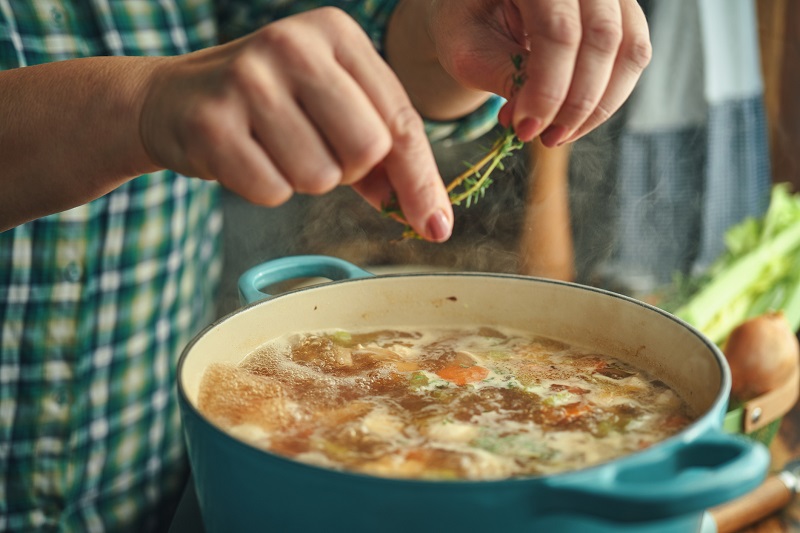
Person adding herbs to a pot of soup

When buying food and cooking meals, you’ll save money (and time) by doubling the recipe and setting aside half for a second serving. You can do this with versatile ingredients, such as chicken breast, that you can use in several different dishes. You can also make and save two or more portions of whole meals, like our tasty Instant Pot Chicken Tortilla Soup or Baked Sheet Pan Chicken Sausage and Gnocchi.

3. Pick PowerFuels.

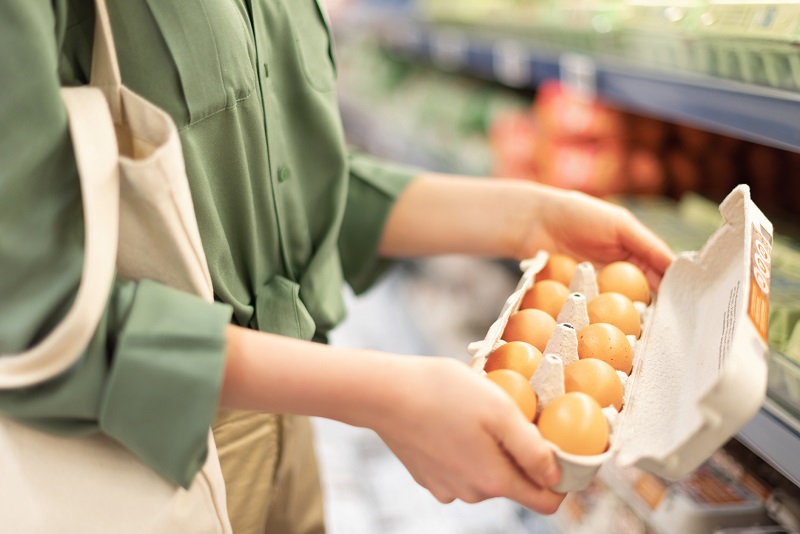
Person opening a carton of eggs

The prices for meats, especially beef, have jumped more than any other items in the grocery store, rising more than nine percent in the last year. Fortunately, you can get all the protein you need from less expensive PowerFuels, such as eggs, cheese and peanut butter. Canned tuna and salmon are cost-effective sources of protein, too. Even if you still want to enjoy the satisfaction of eating meat, you’ll save money if you have fewer servings each week and stick to your recommended portion sizes.

Can Nutrisystem Save You Money? The Answer May Surprise You

Read More

4. Beans, beans.

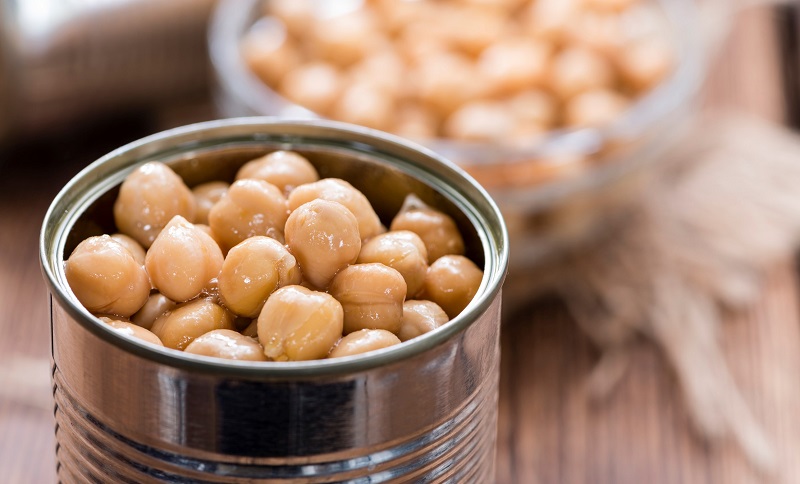
A open can of chickpeas

There’s no better value in the grocery store than beans. You can get dried black, pinto and kidney beans, lentils and chickpeas for less than 25 cents per serving. Canned beans, which are ready to eat without cooking, cost only about 10 to 15 cents more. Beans come with both protein and fiber, making them a budget-friendly SmartCarb worth stocking up on.

5. More veggies.

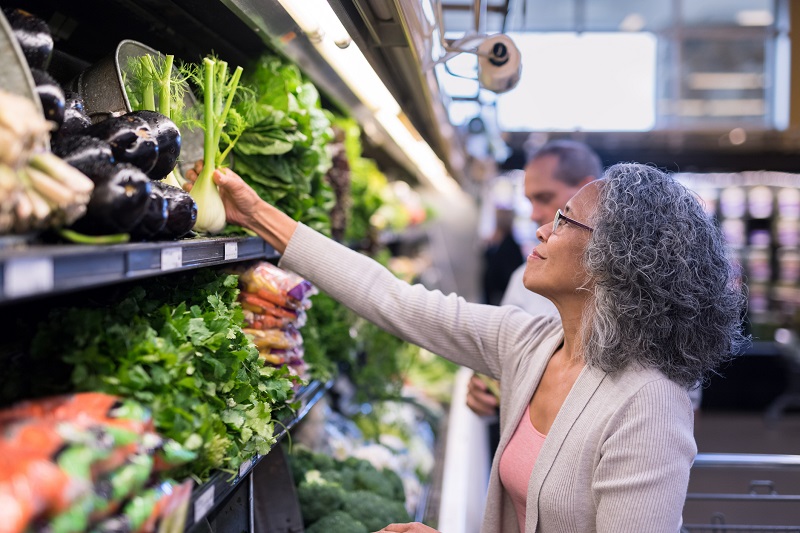
Women picking out vegetables in the grocery store

You know what food category had the smallest price increase this year? Fresh vegetables cost just one percent more than they did a year ago. That works to your advantage because Nutrisystem recommends that you eat at least four servings of non-starchy veggies per day. And they are unlimited so you can fill up on them and avoid eating more expensive foods.

6. Shop seasonal.

Women picking out pears

You get the best deals on fresh produce items that are in-season where you are, since they don’t have to be transported across the country or imported from other places. Salad greens, such as lettuce and spinach, broccoli, cauliflower, peas and carrots are in season during spring and fall. Tomatoes, peppers, cucumbers and zucchini are at their peak in summer. You can stock up on seasonal items when the prices are low and store them in your freezer until you’re ready to eat them. For more details, check out the USDA’s Seasonal Produce Guide.

5 Good Reasons to Start Online Grocery Shopping

Read More

7. Frozen or prepped.

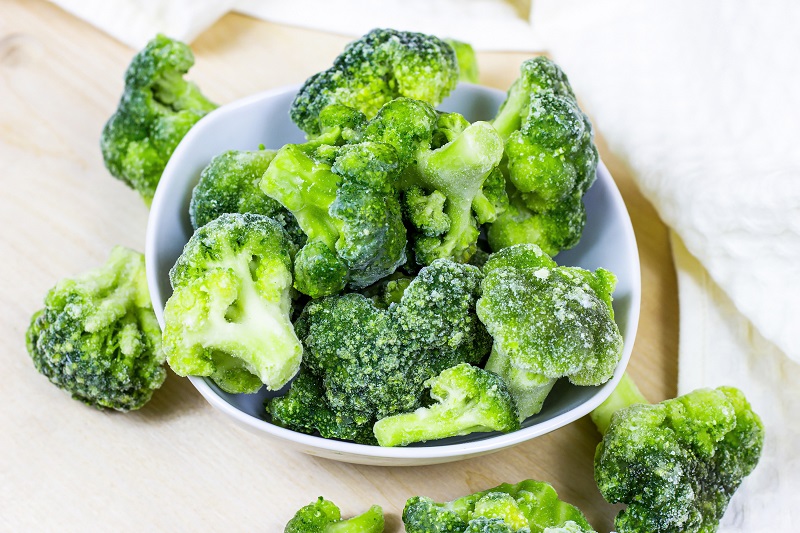
A bowl of frozen broccoli

Fresh produce typically costs less than frozen items and it is almost always cheaper than the cleaned and cut vegetables now sold in many grocery stores. However, you may end up saving when you buy frozen or prepped produce because they help you reduce spoilage and waste that sometimes happens when you don’t eat all of the fresh items right away or when you remove the stems, cores, and other inedible parts.

8. Skip soft drinks.

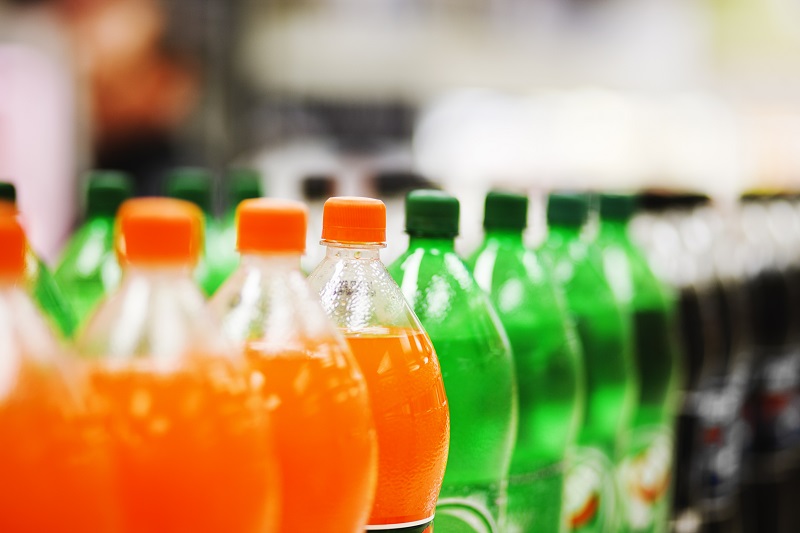
Bottles of soda lined up

Soda, even diet varieties, add up on your grocery bill without providing you with calories that give you energy or fill you up. If you’d like an alternative to drinking plain water all day, make tea. Along with traditional black or orange pekoe tea, try green or herbal teas, such as mint. Tea has no calories and costs you just pennies per glass.

9. Go halfsies.

Man and woman looking at the menu together at a restaurant

Prices for restaurant meals have shot up as much or more than prices of groceries. You can cut costs and still enjoy a meal out by splitting an entrée with another person. While restaurants sometimes charge for an extra plate, it never equals the price of another whole meal. Plus, the portions that restaurants serve are always much bigger than are recommended by Nutrisystem, so splitting the food helps you stay on track with your weight loss plan while saving you money. Before going out to eat, look over our 5-Point Restaurant Survival Guide.

Introducing Restaurant Faves! 10 Feel-Good Meals Inspired by Famous Dishes

Read More

10. Plant a garden.

Couple embracing in a garden

Growing a little of your own food is a healthy activity that can help reduce your grocery bill. A plant that costs about $2, for instance, can produce pounds of juicy and nutritious tomatoes for weeks on end. Even if you don’t have room to plant in the ground, you can grow a lot of vegetables in pots. Find out more in our beginner’s guide to gardening.

The post Eat Well and Save: 10 Cost-Saving Tips for Budget-Friendly Meals appeared first on The Leaf.


from The Leaf https://leaf.nutrisystem.com/budget-friendly-flex-meals/

MKRdezign

Contact Form

Name

Email *

Message *

Powered by Blogger.
Javascript DisablePlease Enable Javascript To See All Widget