Latest Post

When it comes to losing weight, it isn’t about just what you eat … it’s also about how much you eat.

Of course, certain foods and nutrients can help you feel satisfied and control your appetite: healthy fats from nuts; fiber from fruits, vegetables and whole grains; protein from eggs, beans and meat. That’s why many Nutrisystem meals and snacks are loaded with both fiber and protein.

But even “good” choices can sabotage your weight loss progress if you eat too much. For example, two tablespoons of almonds provides filling, healthy fats and about 70 calories. On Nutrisystem, that amount counts as one PowerFuel. But if you snack mindlessly on them, the calories in almonds add up: One full cup of whole almonds is 828 calories.

This can be the difference between eating an amount that helps you stay full, energized and on track with your weight loss versus an amount that causes your “healthy” snack to lead to weight gain.

The problem: We’re really bad at estimating portion sizes, so we have trouble controlling them. Studies show that when we don’t measure, Americans correctly guess the size of a portion only about half the time. And we’re especially bad at estimating portion sizes when it comes to snacks and sweets.

That’s why portion control is the cornerstone of Nutrisystem: The meals and snacks we send you are perfectly portioned so you know exactly how much you’re eating, and know it’s an amount that’s helping you progress towards your weight loss goals.

But when it comes to your grocery add-ins and Flex meals, portion control is essential. Use these six tips to keep all your other portions under control and stay on track.

1. Measure and store foods in healthy portions—before you’re hungry.
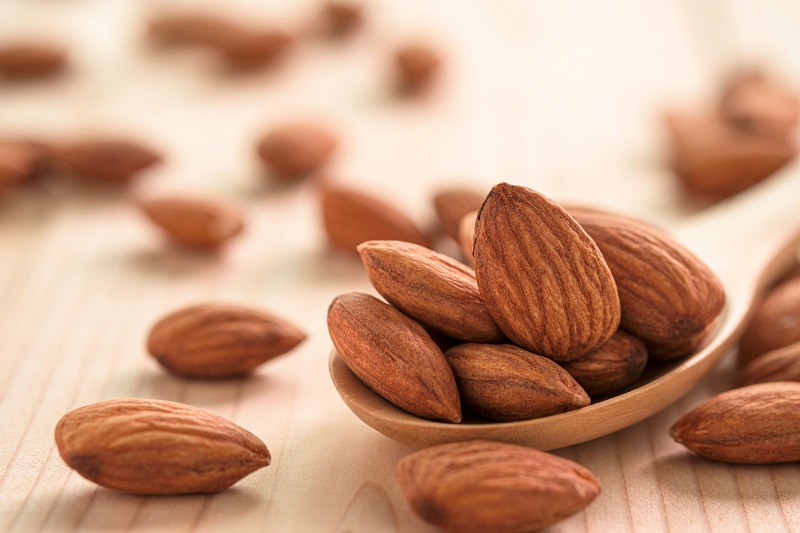
almonds in measuring spoon

When you’ve got an appetite, you may want to grab something and eat it—fast. Measuring out portions in advance can help you be sure that those two tablespoons of almonds don’t balloon into a half-cup or more: You can simply grab the bag or container where you’ve pre-measured the snack you want, and you’ll know how much you’re eating.

This can be especially useful for foods that you know you tend to binge on: If you buy a block of cheese and know you tend to eat a bunch of it when you’re feeling snacky, flip it over and look at the nutrition label when you get home. If it’s got 16 servings, cut the block into 16 servings right away, then put those in containers or bags. Or if you tend to grab a bunch of sandwich cookies, consider pre-portioning the entire package into servings as soon as you get home. That way, when you do snack, you can grab a serving that you know fits your plan.

The Nutrisystem Grocery Guide can help you determine what those healthy portions should be, so you can load your cabinets and refrigerator with pre-portioned snacks and ingredients that fit your plan. You can also chop up some non-starchy vegetables which are unlimited foods—like cucumbers, carrots and bell pepper slices—so you’ll have tasty, pre-prepared snacks that you can eat in big portions.

All this snack prep has a bonus: Research shows that more time spent prepping food in the kitchen is highly correlated with eating a higher-quality, nutritious diet—and with better health outcomes!

2. Buy pre-measured portions.
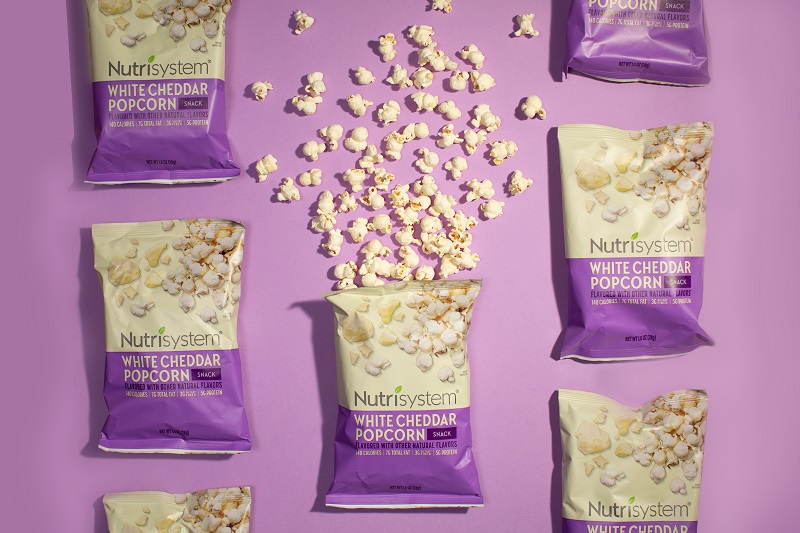
Nutrisystem white cheddar popcorn

Don’t have time to pre-measure everything? Take advantage of pre-portioned options. Smaller bags of chips and crackers, 100-calorie packs, or other pre-portioned foods can help you keep track of how much you’re eating.

Nutrisystem IS a big help here: Our snacks, like the Chocolate Chip Cookies and White Cheddar Popcorn, are already pre-portioned, so you can eat the entire package and feel satisfied while staying on plan. No measuring needed.

3. Use your hands to help.

palm of hands

Sometimes the serving size on a label—or even the amount listed in the Grocery Guide—can be confusing: How much salmon is in three ounces? How much tuna is in a half-cup?

If you don’t have a food scale or measuring cups/spoons handy, you can use your hands or common household objects to help you estimate the proper portion size. Check out the infographic below for some common examples:

1 oz

1 oz. = 1 thumb or 3 dice
Examples:
PowerFuels: reduced fat cheese
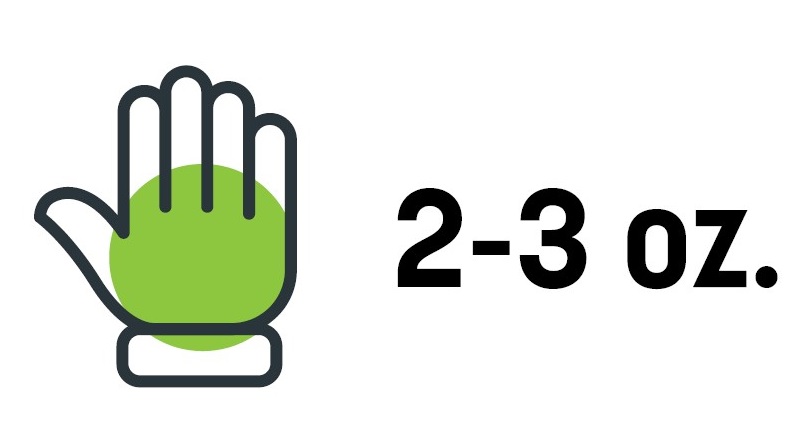
2-3 oz.

2 oz. = about ²/₃ palm of hand or deck of cards
3 oz. = 1 palm of hand or deck of cards
Examples:
PowerFuels: 2 oz. meat, poultry or fatty fish, or 3 oz. white fish

1 tsp.

1 tsp. = 1 fingertip or 1 dice
Examples:
Extras: honey, jelly, maple syrup, mayonnaise, oil and seeds

1 Tbsp.

1 Tbsp. = 1 thumb or 1 poker chip
Examples:
PowerFuels: 1 Tbsp. oil and nut butter, or 2 Tbsp. nuts and seeds
Extras: avocado, ketchup, low-fat coffee creamer, light salad dressing and reduced-fat mayonnaise

1/4 cup


¼ cup = ½ cupped hand or 1 egg
Examples:
PowerFuels: avocado, ricotta cheese, and shredded, grated or crumbled cheese.
SmartCarbs: dried fruit and hummus

1/2 cup

½ cup = 1 cupped hand or computer mouse
Examples:
PowerFuels: 1% cottage cheese, canned tuna, edamame and lean ground turkey
SmartCarbs: brown rice, quinoa, whole grain pasta, beans and starchy veggies (corn, potatoes and peas)
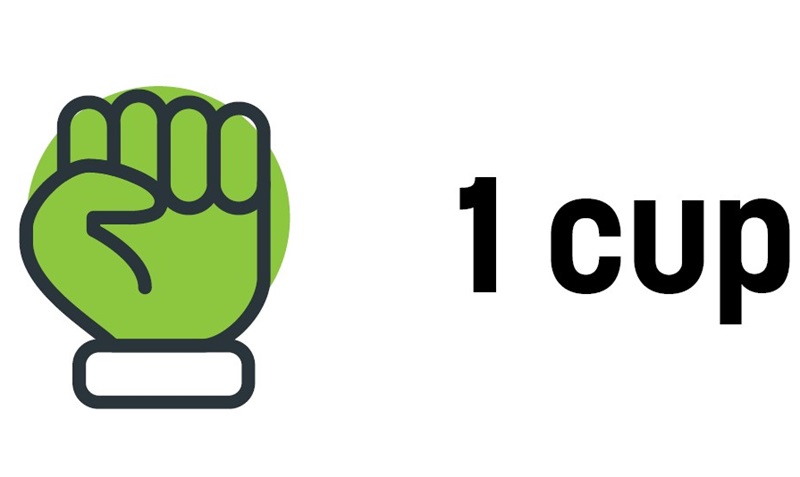
1 cup

1 cup = 1 clenched fist or baseball
Examples:
PowerFuels: low-fat milk
SmartCarbs: fresh fruit and berries
Extras: unsweetened almond milk and air-popped popcorn

4. Don’t eat directly out of a full-sized bag or box. Use a plate or bowl.
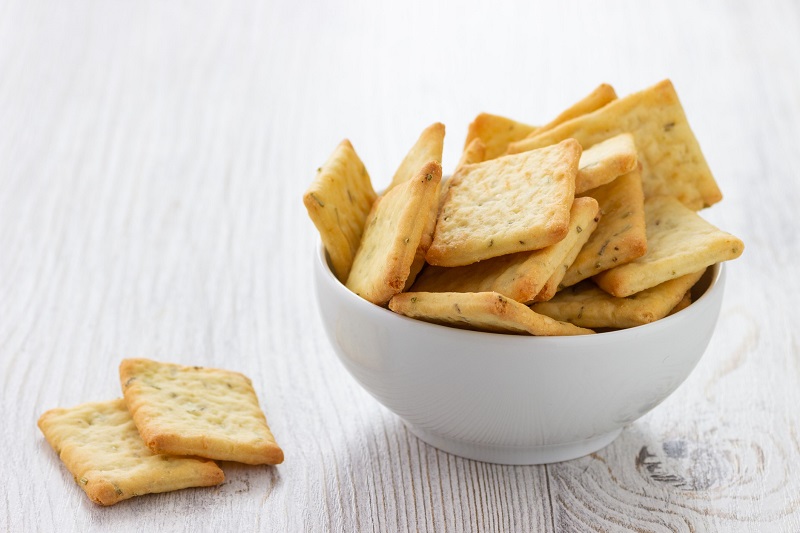
bowl of crackers

If you can’t eat from a package where the whole contents is equal to one serving, don’t eat out of the bag or box. It’s tough to know how much you’re eating, and easy to be carried away … as anyone who’s lounged with a bag of chips can tell you.

Instead, measure the portion onto a plate or into a bowl before you sit down to eat. That way, you won’t have to rely on your willpower to stop—you can clean your plate and know you’ve eaten a healthy portion that fits your plan. 

5. Pair a salty snack or sweet treat with an unlimited food.
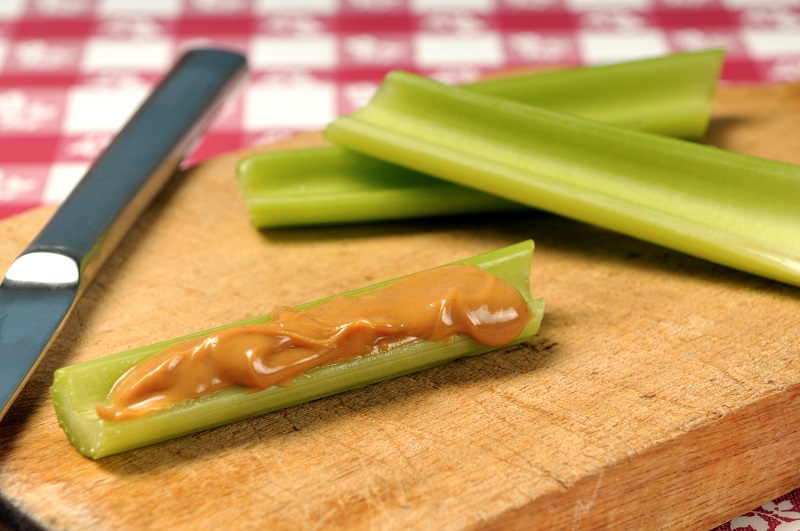
Peanut Butter on Celery

If you love eating in large quantities, try pairing a healthy portion of a salty, sweet or fatty food you crave with another unlimited food, such as carrot sticks, slices of cucumber, green pepper slices or broccoli florets. These foods are unlimited because they’re filled with nutrients your body needs without many calories. By combining these two types of food on a single plate, you’ll get to eat some of the food you love, and eat the volume that will fill you up.

6. Figure out what you’re really craving. Eat a portion of that.
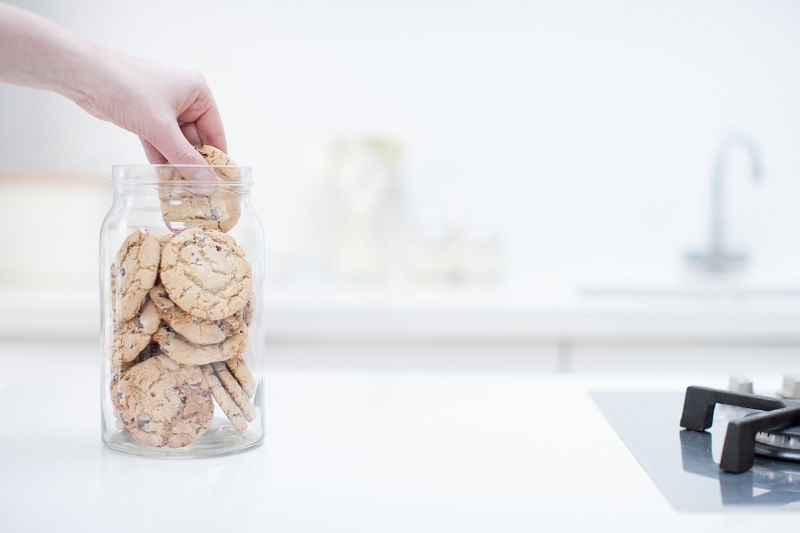
Hand reaching for cookie in jar

If there’s a food you’re really craving—like a favorite ice cream, or a chocolate chip cookie, or a cheese-flavored snack that always hits the spot—Nutrisystem dietitians say you can actually go overboard eating other foods trying to avoid your food craving all together. You know the feeling. You really want a cookie, but you end up picking at other stuff—a pretzel here, a cracker there—and never really feel satisfied … but you’ve piled up a bunch of extra calories.

The solution, our experts say, is to give into that craving … with a controlled portion. If you’re really craving a specific food, measure out a portion that matches the Grocery Guide guidelines, and really enjoy it. That’s the beauty of Nutrisystem’s program: No food is off limits when eaten in the right portion. So savor that healthy portion, log it in the NuMi app, and stay on track to your goals!

The post 6 Portion Control Tips for Weight Loss and Healthy Eating appeared first on The Leaf.


from The Leaf https://leaf.nutrisystem.com/portion-control-tips-for-weight-loss/

Spaghetti squash is a versatile and nutritious vegetable that can be a valuable addition to any healthy diet. With its low starch content, high vitamin and fiber content, and ability to replace traditional pasta, spaghetti squash is a go-to option for those seeking a lighter and more nutrient-rich alternative.

In terms of appearance, spaghetti squash features a vibrant yellow shell, a seed-filled center, and a stringy yellow flesh that resembles pasta after cooking. Its soft texture and mild taste make it an ideal canvas for various flavors, particularly marinara sauce and garlic-infused dishes.

From a nutritional standpoint, spaghetti squash outshines regular pasta by offering just 42 calories, 10 grams of carbohydrates, minimal fat and 2 grams of fiber per cup. Additionally, it provides a substantial amount of potassium (181 milligrams) and significant levels of vitamins A and C.

The versatility of spaghetti squash allows you to incorporate it into a wide range of recipes. To help you get started, we’ve curated a collection of our favorite healthy spaghetti squash recipes that feature this delightful vegetable. Not only are these recipes perfect for your Nutrisystem plan, but they are also sure to impress your entire family.

As a bonus, using spaghetti squash instead of pasta helps you fulfill one of the recommended four daily servings of vegetables suggested by the dietitians at Nutrisystem.

Discover the wonders of spaghetti squash and elevate your meals with this nutritious and delicious vegetable. Explore our spaghetti squash recipes below and embrace a healthier lifestyle today!

1. Low-Carb Baked Feta Pasta

Low-Carb Spaghetti Squash Baked Feta Pasta

Looking for a healthy twist on the trendy baked feta pasta? Try our version made with spaghetti squash! Packed with creamy feta cheese, cherry tomatoes, garlic, and basil, it’s a satisfying and low-carb alternative to traditional baked pasta dinners. Say goodbye to excess calories and fats while still enjoying the flavors you love.

Get the Spaghetti Squash Baked Feta Pasta recipe.

2. Air Fryer Italian Spaghetti Squash

Air fryer italian spaghetti squash

In this easy dish, the hard squash skin becomes the vessel for your whole meal. You simply slice the squash in half, scrape out the seeds, and cook the squash in an air fryer. When it’s done, you mix the strands of “spaghetti” with ricotta and mozzarella cheeses, marinara sauce and spinach. Put the blend back inside the squash rind and heat until it all turns tender and melty.

Get the Air Fryer Italian Spaghetti Squash recipe.

3. Sweet and Savory Spaghetti Squash Bowl

Sweet and Savory Spaghetti Squash Bowl

Your vegetable pasta serves as the foundation for a flavorful dinner. Make this sweet and savory bowl by topping the squash strands with sweet potato cubes and creamy goat cheese. Season it all with honey, cinnamon and sage. This meal is perfect for vegetarians or anyone who wants a satisfying meatless meal.

Get the Sweet and Savory Spaghetti Squash Bowl recipe.

4. Slow Cooker Turkey Bolognese with Spaghetti Squash Pasta

Slow Cooker Turkey Bolognese with Spaghetti Squash Pasta

Bolognese is the favorite sauce of many spaghetti lovers, because it’s thick, rich, meaty and so hearty. We make our Bolognese with lean turkey, zucchini and peas for lots of nutrition without compromising on flavor. Pour this sauce on a plate of spaghetti squash pasta for a meal that’s worthy of your favorite Italian bistro.

Get the Slow Cooker Turkey Bolognese and Spaghetti Squash Pasta recipe.

5. Spaghetti Squash and Meatballs

Spaghetti Squash and Meatballs

You don’t have to pass on a filling spaghetti and meatball dinner just because you’re losing weight with Nutrisystem. Start with the popular Nutrisystem dinner, Meatballs in Marinara Sauce, and layer them over a base of spaghetti squash pasta. We add spinach for another daily serving of vegetables and a sprinkle of parmesan cheese for extra savory flavor.

Get the Spaghetti Squash and Meatballs recipe.

6. Chicken “Noodle” Soup

Spaghetti Squash Chicken Noodle Soup

How could classic chicken noodle soup be any better? We substitute spaghetti squash for standard egg noodles, so you get all the slurping pleasure you expect but fewer carbs and more healthy nutrients. This soup features chunks of chicken breast and rich chicken broth, along with carrots and thyme for that authentic taste you grew up with.

Get the Spaghetti Squash Chicken Noodle Soup recipe.

7. Southwest Spaghetti Squash Bowl

Southwest Spaghetti Squash Bowl

Spaghetti squash is an incredibly versatile ingredient that can be utilized in a wide range of cuisines. To prepare a delicious Southwestern-inspired dish, simply combine cooked squash pasta with a flavorful blend of shredded chicken breast, tomatoes, onions, black beans, olives, bell peppers, and real cheese. Add a dash of lime juice and cilantro for the perfect finishing touch. This easy-to-make recipe is sure to satisfy your taste buds and impress your guests.

Get the Southwest Spaghetti Squash Bowl recipe.

The post 7 Healthy Spaghetti Squash Recipes appeared first on The Leaf.


from The Leaf https://leaf.nutrisystem.com/spaghetti-squash-recipes/

Haven’t chosen your New Year’s resolution for 2024 yet? You’re never too late: Any day is the perfect day to start exercising and reaping loads of health benefits, like drastically reduced risks of heart disease, stroke, diabetes and even early death.

Just make sure your goal is really achievable: While many people like the sound of running 10 marathons or becoming a world champion powerlifter, keeping things simple in year one can help you build towards bigger goals with subsequent resolutions.

Your fitness goals should be challenging yet realistic. According to experts at Cañada College, “unattainable goals are often the cause of injury, frustration, and ultimately the discontinuation of exercise.” They recommend creating short-term goals that are more attainable in the beginning of your fitness journey.

So here are five fitness goals you can really achieve this year—and each is backed by science, so they’re really worth doing!

Goal 1: Walk 4,400 to 7,972 steps per day.

Person jogging on a track

Thought the magic number was 10,000? Think again: The 10K number is said to have actually started as a marketing tool to sell pedometers in Japan in the 1960s.

That doesn’t mean that counting your steps is useless, though: In one study, older women who averaged 4,400 steps or more significantly reduced their risk of death compared to other women who walked about 2,700 steps per day. The researchers explain, “With more steps per day, mortality rates progressively decreased before leveling at approximately 7500 [steps per day].”

In another study of older adults, those who took 7,972 or more steps per day had a lower risk of death than walkers who logged less than 4,503 steps each day.

Use those results as your step goals: Strive to stride 4,400 to 7,972 times per day.

Goal 2: Do muscle strengthening activities twice a week.

Woman stretching against a wall

You often hear about the Centers for Disease Control and Prevention (CDC) recommendation to get at least 150 minutes a week of moderate-intensity aerobic activity. (That’s 30 minutes, five days a week.) But did you know that the CDC also recommends doing activities that strengthen muscles at least two days each week?

According to The American Council on Exercise (ACE), strength training can help strengthen muscles and bones, increase the metabolism, decrease blood pressure and improve quality of life. Maintaining your muscle as you get older is essential. “Unless you regularly engage in activities to strengthen your muscles, you’ll lose about a half a pound of muscle a year in your 30s and 40s, and that rate can double once you turn 50,” says ACE.

Your weekly strength training doesn’t have to be all at once, and it doesn’t have to be as intense as a CrossFit class. You can do easy dumbbell or resistance band workouts. No equipment? No problem! Try this simple, four-move series that uses your own body weight to boost your strength:

  1. Move 1 – Wall Pushups: Standing with your feet away from a wall, put your hands on the wall, and slowly control your body as you bend your elbows to move your torso towards the wall. Keep your body straight from head to heels as you press back to standing.
  2. Move 2 – Step Ups: On the bottom step of a staircase, place one foot on the step, and press through the center of your raised foot to straighten your leg until your other foot could meet it on the step. Step down, and repeat with the other leg.
  3. Move 3 – Squat to a Chair: Hover over a chair, and control yourself as you sit down, not using your hands. If you can, stand back up without using your hands.
  4. Move 4 – Glute Bridge: Lie face up on the floor with your knees bent and feet flat on the floor. Squeeze your glutes to raise your butt up until your body forms a straight line from head to knees. Slowly return to the start.

Do each exercise for 15-20 seconds, then rest until the next minute starts and move to the next exercise. Repeat in this way for 15 minutes.

Goal 3: Sleep for at least 7 hours per night.

Man resting in bed

Is sleep a fitness goal? You bet! In fact, it may be the most important one of all: According to the CDC, “Adults need 7 or more hours of sleep per night for the best health and wellbeing.” Consistently getting too little shuteye (less than seven hours a night) is associated with poor health outcomes, including weight gain, diabetes, depression, high blood pressure, stroke and heart disease.

In a review of research, published in the journal Sleep, scientists found that sleeping less than seven hours per night was associated with a 12 percent increased risk of early death compared to sleeping seven to eight hours per night.

Sleep is also key to achieving your other fitness goals: When you sleep, your body can repair your muscles and give you the energy you’ll need for your next bout of physical activity. So hit the hay this year!

Goal 4: Go for a 10-minute walk every time you eat.

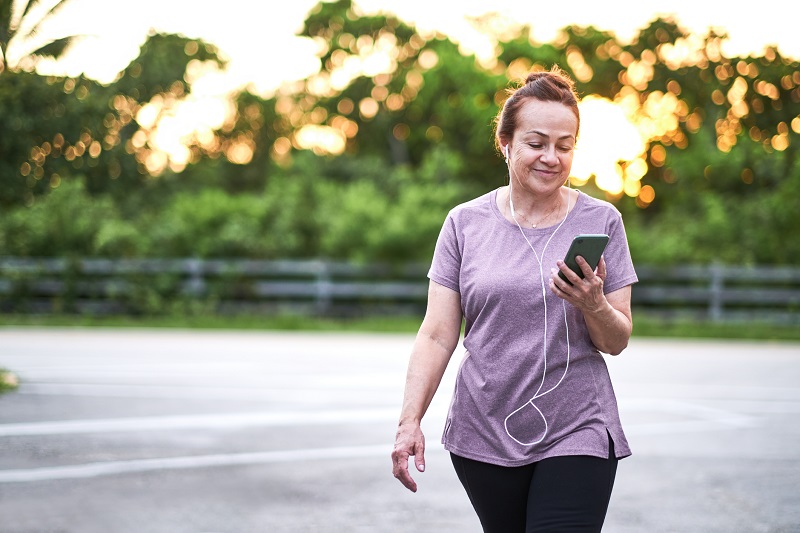
Woman checking her phone while walking outside

This is an easy way to get to that 4,400+ steps. Plus, timing your 10-minute walks with your three main meals will help you check off your 30 minutes of recommended physical activity. According to experts at Mayo Clinic, regular, brisk walking can help improve your cardiovascular health and decrease your risk of various conditions, including high blood pressure, heart disease, cancer and Type 2 diabetes.

Timing your walks for after meals has other potential benefits, too. According to Medical News Today, “Research suggests that a short walk after eating helps manage a person’s blood glucose, or blood sugar, levels. Moderate daily exercise can also reduce gas and bloating, improve sleep, and boost heart health.” Research has also shown that taking three 10-minute walks each day may reduce systolic blood pressure (the top number) in individuals with prehypertension.

So when you put down your fork, lace up your shoes!

Goal 5: Find a fitness activity that’s fun for you.

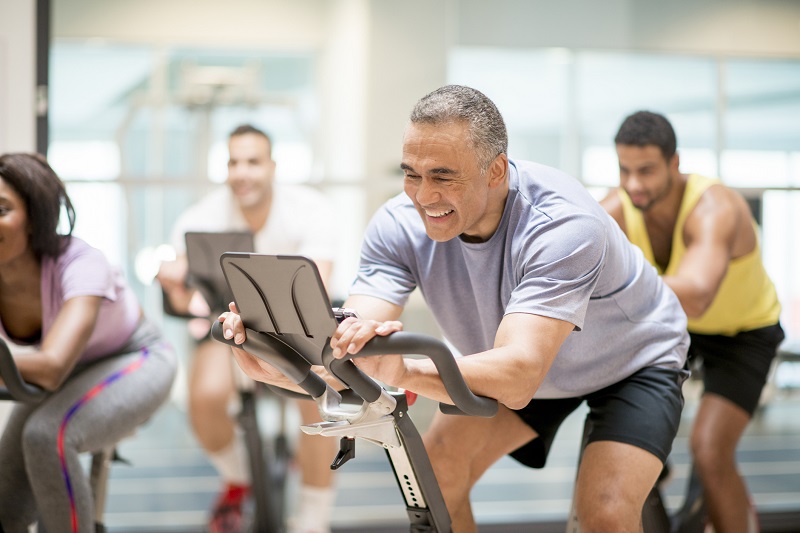
Man enjoying spinning class

Too many Americans think exercise has to be painful drudgery to work. But the opposite is true: Studies show that when people enjoy their workouts, they’re more likely to actually do them. And it’s no secret that an increase in exercise adherence can lead to better results.

If you’re going to spend 10, 20, 30 or more minutes of your free time doing something, it ought to be something that not only improves your health, but improves your mood. So while you’re walking and strengthening this year, resolve to find something about fitness you enjoy: Maybe it’s working out while talking on the phone with your best friend. Maybe it’s a new type of class or a new instructor that really gets you. Maybe it’s an active game or sport. Or maybe it’s a funny shirt that you love putting on each time you sweat. Find that thing you love, and you’ll create a habit that will last far beyond 2024.

*Always speak to your doctor before beginning a new exercise routine.

The post 5 Health and Fitness Goals for 2024 appeared first on The Leaf.


from The Leaf https://leaf.nutrisystem.com/5-health-and-fitness-goals/

A healthy lifestyle is built from healthy habits. Instead of motivating yourself each time you want to exercise, eat healthy portions, get adequate sleep or meditate, these behaviors become automatic … the same way putting on your seat belt is automatic when you get in a car, or grabbing your phone to scroll is automatic when you feel a little bored.

But building those habits takes time. You may have heard that a new habit takes 21 days to form, but it can take much longer. In a 2009 study, scientists found that new habits took an average of 66 days to take hold. For some participants, habits took up to 254 days—most of a year—to stick.

So give yourself time, and help yourself along with these seven research-backed ways to reinforce your new year habits.

1. Make your new year habit specific and bite-sized.

woman walking

In a study, researchers found that smaller goals work better. One group of children were assigned to try to do six pages of math problems in each of seven study sessions. Another group was just told to try to finish all 42 pages by the end of the seventh session. The group that broke things down into six at a time were much more successful.

You’re not a kid learning math, but this works for you, too. Instead of setting a goal that “I’m going to exercise more,” or even “I’m going to exercise five times per week,” make it specific and smaller. Try setting a goal like “I’ll work out for 15 minutes every weekday,” or “I’ll walk for 20 minutes every day.”

Too big? Go even smaller: Set a goal to walk for just five minutes per day to start, so the habit is easy to stick to.

2. Set a time for your new habit.

Research has shown that goals are more likely to be achieved when they’re tied to a situation. You’re more likely to perform behavior Y if you do it when situation X arises, versus just saying, “I’m trying to do more Y.”

One way to create a “situation X” for your habit is to set a time for it: Just like you brush your teeth when you wake up, tie your new habit to a specific time or event during your day. Building on the walking habit from above, aim not just to go for a five-minute walk every day—go for that walk after lunch, or before breakfast, right when you get home from work, or at another time that works for your schedule.

3. Associate your habit with fun.

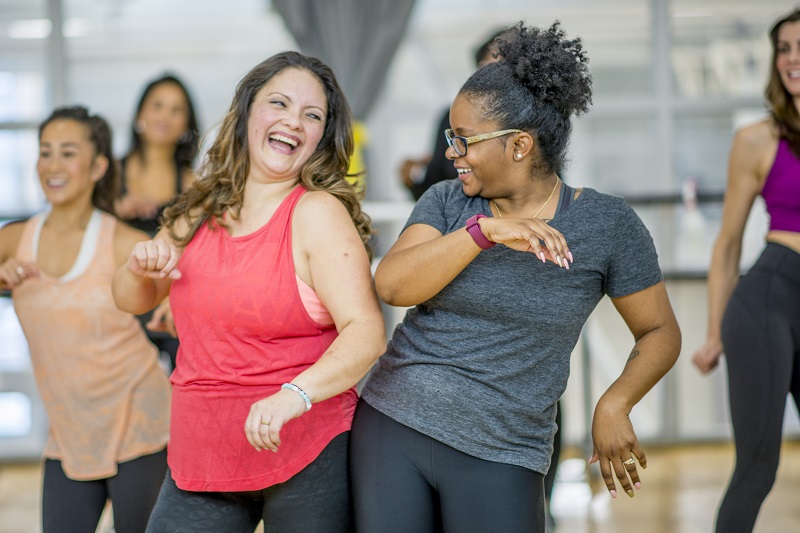
Dance rhythms for a better workout

You don’t need a scientific study to tell you that you’re more likely to do things that you enjoy, but here’s one anyway: Scientists have found that when a workout is fun, people are more likely to do it. And when a class has music, students are more motivated to learn.

Tie your new, healthy habit to something you enjoy. Go to a fun exercise or dance class if you don’t like traditional gym workouts. Or don’t just go for a post-lunch walk: listen to a new true crime podcast you really love while you do it!

4. Partner up!

Don’t go it alone! One study found that when you tell someone else you’ve got a goal, you become 65 percent more likely to accomplish it. And when that partner checks in with you regularly, your chances of success skyrocket to 95 percent.

Find someone else who also wants to form a healthy habit—the same habit as you, or another one—and check in with them daily. Cheer each other on, keep each other accountable and you’ll both be more likely to succeed.

DID YOU KNOW?: Nutrisystem offers Partner Plans designed for two people! Lose up to 20% more weight together versus trying it on your own.*

5. Reward yourself for performing your habit.

thumbs up

Habits are built on a loop of a cue or trigger, followed by a routine, and then a brain chemical reward. Here’s an example: Let’s say you have a habit of eating a sugary snack right after work. Your cue is arriving home from work. The routine? Grabbing the sugary snack. The reward is the feel-good chemicals, like dopamine, that are released by your brain when you eat them.

When we develop new, healthy habits, we often forget to reward ourselves. When you perform your goal habit, reinforce it with a reward: Even just giving yourself a mental high five or telling yourself that you’ve done a good job can provide a chemical reward that may help you do it again. Speaking of which…

6. Say your new year habits out loud each day.

When you say your goals or affirmations about yourself out loud, your brain believes you. In a study, scientists found that “future oriented” self-affirmations activated the brain’s rewards systems, and also led participants to be more active. So saying “I will” in a statement you say aloud makes your brain light up, and makes you more likely to achieve the goal.

Use this power to your advantage! Write down your bite-sized, time-specific habit goals, and say them each morning: “I will walk for 20 minutes after lunch today while listening to my favorite true crime podcast.” Do so, and you could be more likely to succeed.

7. Make your environment help you.

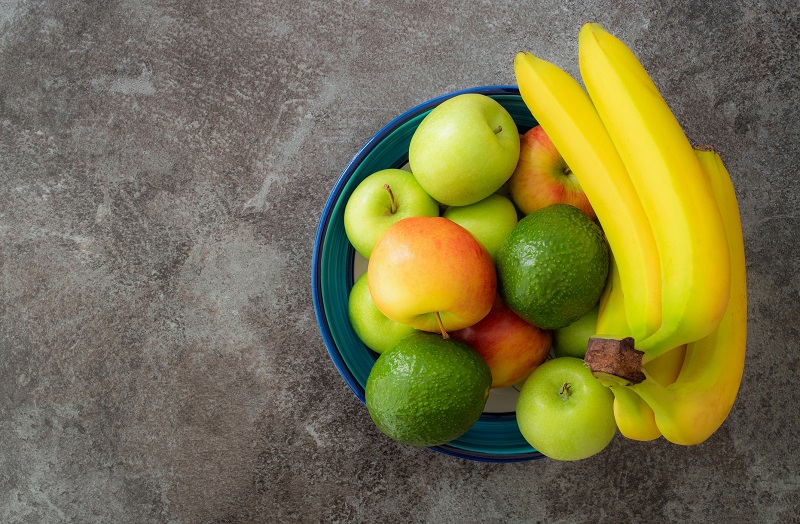
Bowl of fruits (apples and bananas) on the counter.

“Out of sight, out of mind” isn’t just a cliché. When it comes to goals, it’s real. A research review from 2018 found that “environmental pressures” helped people reach goals more than just trying to will themselves to change.

That can literally mean keeping temptations away from yourself. In one study, scientists found that when a candy dish was further away, office workers ate less candy than when it was close at hand. So if there are tempting, triggering snacks you’re hoping to avoid, make them hard to reach. Store them in a high, deep cabinet that requires you to really work to get them. This creates time for you to consider whether you really want to indulge.

And to reinforce positive habits, make your environment push you towards things that help your goals. Place a bowl of fresh fruit out where you can see it. Store your packed gym bag or walking shoes right by the door. Keep a Nutrisystem snack bar handy in your purse or work bag for when a sweet craving strikes. Or fill the front of your fridge with pre-cut, tasty vegetables so they’re easy to grab and munch on.

*Scientific literature shows better results among small groups compared to those who tried losing weight alone.

The post 7 Science-Backed Ways to Make Your New Year Habits Stick appeared first on The Leaf.


from The Leaf https://leaf.nutrisystem.com/new-year-habits/

Have you ever spent your precious weekend hours meal planning and grocery shopping for healthy meals, only to get home exhausted and order takeout? Or maybe you’ve been so overwhelmed about where to start in the kitchen that you keep pushing off your health goals and feel stuck?

You’ve probably heard that the only healthy way to lose weight is to home-cook all your meals from whole foods and avoid anything in a package. However, this is not accurate or practical for most people. Instead, this unattainable ideal can actually set you up for failure and leave you feeling burnt out.

Consider that the average person spends 37 minutes per day on food prep. Diets that require hours of cooking are simply not sustainable for the typical adult’s busy schedule.

But here’s the good news: plenty of convenience foods are just as healthy as freshly-prepared whole foods, and they can help you reach your weight loss goals without feeling burnt out in the kitchen.

Get ready to say goodbye to the food perfectionist mindset with the following dietitian-approved cooking shortcuts that make healthy eating easy and enjoyable.

Stock Up on Easy Proteins

rotisserie chicken is perfect for easy weeknight meals

Forgot to defrost chicken breast? No time to marinate? No problem! Plenty of quick and easy protein options are just as healthy as grilled chicken.

  • Canned Beans – Super filling and high in protein and fiber, canned beans are both convenient and nutritious. Choose lower sodium options and thoroughly rinse them, which reduces sodium by about another 41%. Add them to salads, pasta dishes or burritos.
  • Rotisserie Chicken – For just a few bucks, the average rotisserie chicken will give you three cups of ready-to-eat protein. Remove the skin, and a three-ounce portion of mixed light and dark meat will provide about 135 calories and 23 grams of protein – nearly the same nutrition as plain chicken breast without all the prep.
  • Store-Bought Hard-Boiled Eggs – Providing six grams of protein each, hard boiled eggs make a great snack and are perfect for whipping up a quick egg salad. Opt for preservative-free brands, and you’ll get the same nutrition as if you’d made them yourself, without spending the 20 minutes doing it.
  • Protein Bars – Don’t have time to make homemade energy bites (who does)? Protein bars paired with fruit make a great breakfast on the go. Having one in your bag can also help you avoid the vending machine when afternoon hunger strikes. Look for options under 200 calories with at least 10 grams of protein and minimal artificial flavors, sweeteners and preservatives.  

Buy Frozen Vegetables and Fruits

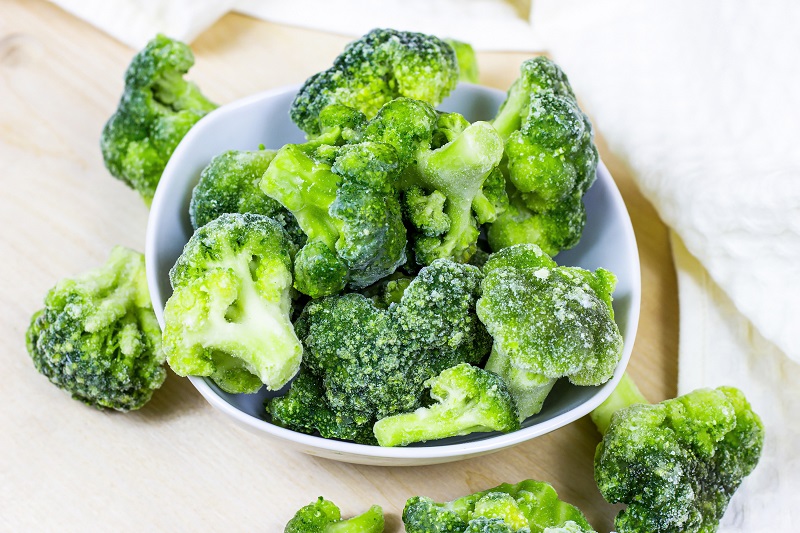
A bowl of frozen broccoli

Sick of throwing out produce that you didn’t have the time or energy to prepare? Stock up on frozen fruits and vegetables.

Not only are they super convenient (i.e., already prepped and cut), but they are just as nutritious as their fresh counterparts. Frozen at their peak of freshness, they can even provide better quality than fresh produce, which is bumped and bruised during shipping.

Plus, research has shown that cooking frozen vegetables in steamable microwave bags retains essential nutrients like vitamin C and antioxidants.

Check the labels and choose plain frozen fruits and vegetables without added sauces, syrup, or seasonings. Then use them:

  • Steamed, stir-fried or roasted as a side dish.
  • Blended into smoothies.
  • Mixed into overnight oats.
  • Added to soups or stews.

Use Quick Cooking Grains

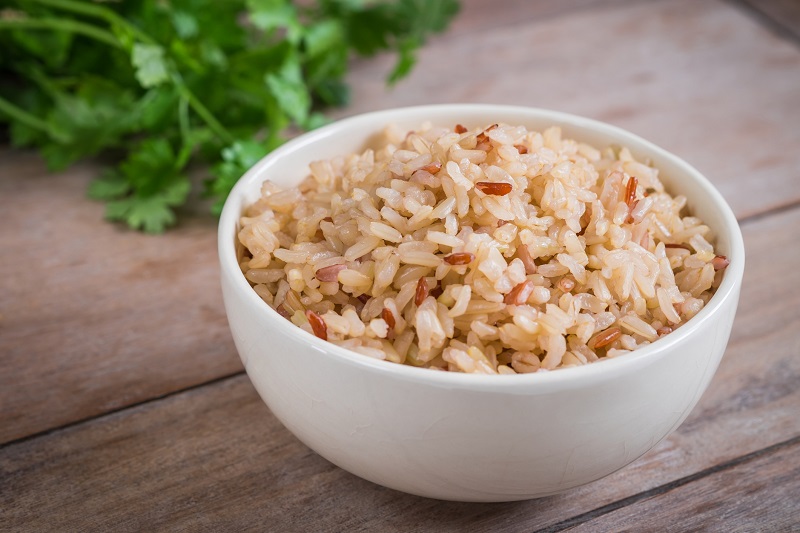
Brown rice in bowl

Swapping refined grains for whole grains is one of the best things you can do to boost weight loss and improve your overall health.

The fiber and nutrients in whole grain foods protect your heart and gut health. Fiber-rich foods also travel slowly through your digestive system, keeping you feeling full so you naturally eat fewer calories throughout the day.

However, when it takes close to an hour to cook whole grains like brown rice, this can be easier said than done.

The good news is that microwavable brown and wild rice can be just as healthy as traditional rice options. While minute rice is partially pre-cooked before packaging, it retains all three parts of the whole grain and their nutrients.

Plus, unlike quick-cooking oats, this pre-cooking step doesn’t impact the glycemic index of minute rice, so it’s still a good choice for keeping blood sugars steady throughout the day.

Choose plain brown rice or wild rice without extra seasonings to keep sodium in check. Other quick-cooking whole grains include:

  • Quinoa
  • Whole Grain Couscous
  • Bulgar
  • Barley

Build a Meal from Bagged Salad Mix

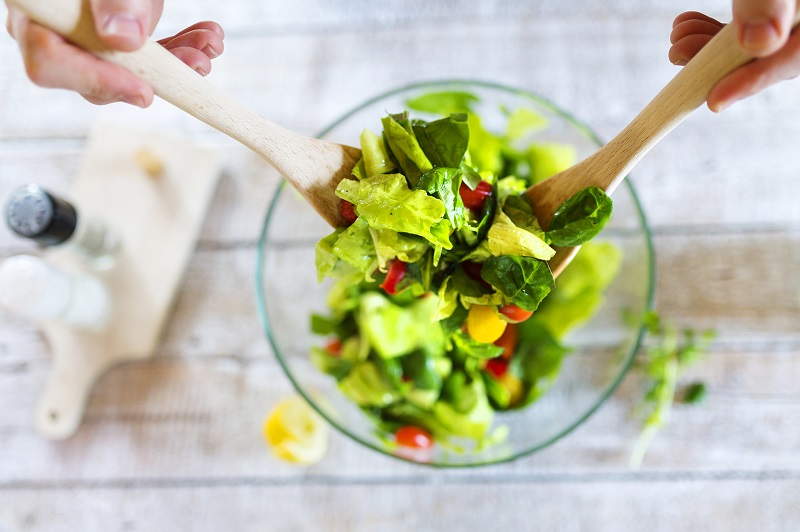
salad mix

Spare yourself from buying and chopping multiple ingredients to meal prep salads by grabbing a few bagged salad mixes.

Divide each bag into three to four portions, then add a few simple extra ingredients to make them meal-worthy. Here are some favorite combinations:

  • Add avocado and black beans to a southwest salad mix.
  • Add rotisserie chicken and mandarin orange slices to an Asian salad mix.
  • Add quinoa and hard-boiled eggs to a light Caesar salad mix.
  • Add hummus, cherry tomatoes and feta cheese to a spring mix.

Based on your calorie goals, you can portion out the included salad dressing or toss it and use your preferred dressing.

Incorporate Pre-Made Meals

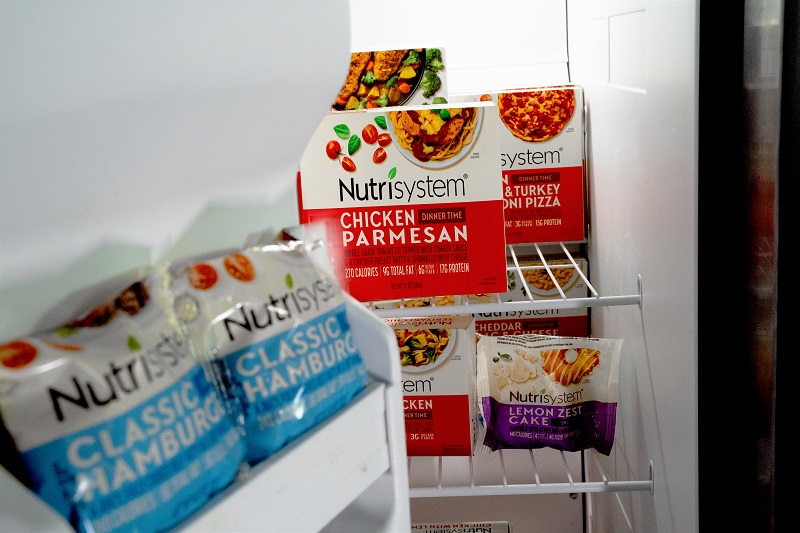
Nutrisystem frozen foods in the freezer

Studies have consistently shown that following a structured plan, including portion-controlled meal replacement products, improves weight loss success, particularly in the first six months of making dietary changes.

These products help simplify food choices and make it easier to assess calorie and nutrient intake accurately.

Incorporating healthier frozen entrees or meal replacement shakes into a balanced plan is an easy way to build momentum toward your goals.

This practice is the basis of the Nutrisystem approach to weight loss. Nutrisystem weight loss plans are based on the nutrient exchange system and provide structured meal plans that allow you to use your own foods in combination with convenient pre-made meals.

Nutrisystem foods are made with minimal preservatives and no artificial flavors or sweeteners. All of the Nutrisystem programs are designed to align with the USDA’s recommended daily intake of 2,300 mg of sodium or less for the general adult population (Dietary Guidelines for Americans, 2020 – 2025). The actual sodium level may vary based on which weight loss program you choose and which grocery food items you add to your diet plan.

Multiple plan options allow you to choose how many Nutrisystem foods you use. As you get the hang of the program, you can even transition to using more of your own foods, using the NuMi app to help you stay on track.

Key Takeaway

You don’t need to get overwhelmed trying to create the perfect home-cooked, whole food diet plan to achieve your goals. Plenty of convenience foods are perfectly healthy.

When incorporated into a balanced plan, meal replacement products like those available through the Nutrisystem programs can be an effective way to get started.

The best way to learn is by doing, so find options that will realistically help you take a first step – even if it’s a small step. These small changes will add up over time to something big.

References

  • Hamrick S., Karen and McClelland, Ket. Americans’ Eating Patterns and Time Spent on Food: The 2014 Eating & Health Module Data, EIB-158, U.S. Department of Agriculture, Economic Research Service, July 2016.
  • Duyff R, et al. Sodium Reduction in Canned Beans After Draining, Rinsing. J. Culin. Sci. Technol. 2011;9:106 -112.
  • Zhong X, Dolan K, Almenar E. Effect of steamable bag microwaving versus traditional cooking methods on nutritional preservation and physical properties of frozen vegetables: A case study on broccoli (Brassica oleracea). IFSET. 2015;31: 116-122.
  • Howarth NC, Saltzman E, Roberts SB. Dietary fiber and weight regulation. Nutr Rev. 2001;59(5):129-139.
  • Look AHEAD Research Group, Wadden TA, West DS, et al. The Look AHEAD study: a description of the lifestyle intervention and the evidence supporting it [published correction appears in Obesity (Silver Spring). 2007 May;15(5):1339.

The post Feeling Burnt Out in the Kitchen? How to Lose Weight Without Home-Cooking Every Meal appeared first on The Leaf.


from The Leaf https://leaf.nutrisystem.com/feeling-burnt-out-in-the-kitchen/

Adopting a healthy lifestyle doesn’t mean becoming an elite exerciser, a perfect, on-plan-all-the-time dieter, or someone who meditates for hours per day. It just means having healthy habits—those automatic little things that add up to big changes. Ultimately, these little daily habits can change your life.

And those habits don’t have to be hard to do. Here are 10 simple, daily habits to change your life in 2024. They may help improve your mental health, boost physical health and propel you to your weight loss goals.

1. Take a 20-minute walk every day (or two 10-minute walks).

person walking

While 10,000 steps per day is a great goal, you can get great health benefits with less. One study from 2019 found that older women who took 4,400 daily steps had a 41 percent lower rate of early death compared to others who took just 2,700 steps. And a few more helps: The scientists found that mortality rates continued to improve up to 7,500 steps per day.

This year, make it a habit! Choose a time every day when you can take a 20-minute stroll … or two times when you can walk for 10 minutes. It could be after lunch, after work, during your kids’ sports practice, or any other time. Just set a time you can do (almost) every day, and get stepping.

2. Eat something green before noon.

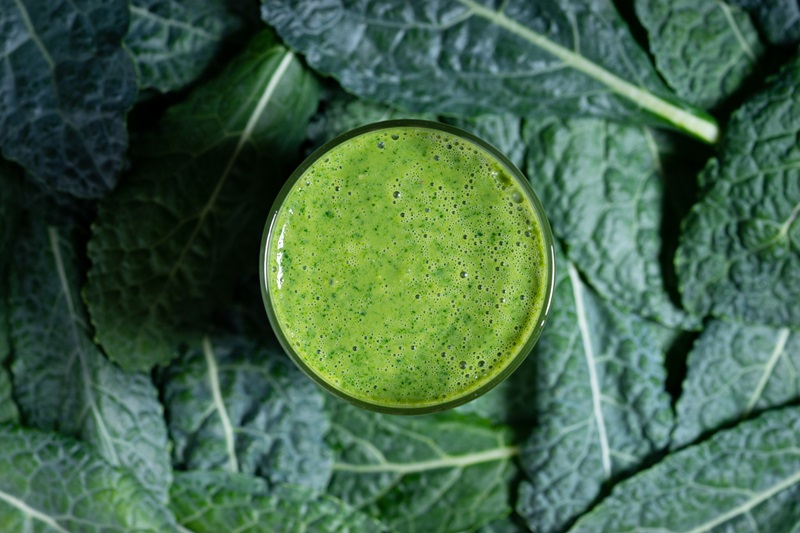
green smoothie

Dark green vegetables, especially dark leafy greens, offer a bounty of health benefits, from promoting heart health to cancer prevention. Those are just a few of the reasons Nutrisystem members are encouraged to eat four servings of non-starchy vegetables each day.

To make sure you get them all in—and get all those benefits—make a plan to start early each day. Choose a way that you enjoy greens, whether it’s hidden inside a smoothie, mixed into morning eggs, munching with a healthy dip, or another strategy. Then go for it every morning, getting that green goodness before noon.

3. Have a big glass of water before every meal.

woman drinking water

If you do, you could get closer to your weight loss goals. When scientists had dieters drink two 8-ounce glasses of water before they ate, the water drinkers lost 36 percent more weight over 12 weeks compared to another group that didn’t drink before digging in.

Pour yourself a big, tall glass and enjoy. Then start eating.

4. Every time you eat, open NuMi to track it.

woman on the phone cooking

Tracking what you eat is one of the easiest ways to lose weight. In a study from 2019, scientists found that people who tracked what they ate for three months lost an average of five pounds … and they didn’t even make any other dietary changes!

The official Nutrisystem app, NuMi, makes this easy weight loss fix even easier! It’s pre-programmed with dozens of meals and snacks, so you can click and track in a snap. Plus, it’s FREE! Once you’ve finished eating, pull out your phone and supercharge your weight loss results!

5. Turn off all screens 30 minutes before you go to sleep.

phone on night stand

Scrolling in bed is tempting, but it can seriously impact your rest. And lost sleep has consequences: It increases risks for diabetes and heart disease, and can even lead to weight gain.

So let yourself scroll, but stop 30 minutes before you sleep. In a 2020 study, making this small change helped improve sleep quality, reduced the number of times study participants woke up during the night, and improved their memory compared to another group that scrolled until they shut their eyes.

6. Write down three good things that happened each day.

writing in a journal

This simple exercise has been shown to reduce feelings of depression and make people feel happy. And it couldn’t be easier: Every day, write down three good things that happened in your life—or, if you prefer, “what went well.” Then write down why those things happened.

You could write that you performed well in a meeting at work. You stayed calm when something frustrating came your way at home. Or you made it to the gym.

Then, focus on the why. You performed well in that meeting because you prepared. You stayed calm when your child melted down because you took a breath before reacting. And you made it to the gym because you set your shoes out by the door in the morning.

This exercise only takes a minute, but can make a huge difference in your psychology. Try it in bed! After you turn off your screen, grab a pen and paper and write this down as you wind down.

7. Get up at the same time every day.

man turning off alarm clock

Yes, including weekends. Sleeping in can screw up your schedule the rest of the week: When scientists studied teens who slept late on Saturdays and Sundays, they discovered that the late sleep basically gave them jet lag. It took the students three to four days to readjust to a proper sleep pattern, which resulted in more stress.

That doesn’t mean you can’t get extra sleep on the weekends, though. Get up at the normal time, but take a short nap later in the day.

8. Set an alarm to smile once per day.

Woman smiling while typing data into her phone

Facial expressions reflect our emotions, but it works the other way, too. When you smile, even on purpose, your body picks up on the positive vibes. When scientists in one study asked subjects to smile on purpose, imitating a photo, they felt happier. In another study, participants who forced a smile lit up the part of the brain that’s associated with positive emotion, and felt better.

So fake it ’til you make it! Set an alarm once each day and put a smile on your face. It could improve the rest of your day!

9. Give someone a sincere compliment every day.

women giving high five

Scientists say we underestimate how good giving a compliment will make the receiver feel. But the impact is huge: When you tell someone you like their jacket or enjoyed their presentation at work, studies show their brain reacts to the compliment in a similar way that it would react to receiving a monetary reward.

The giver of the compliment benefits, too. Participants in compliment-giving studies receive a mood boost. Doing so once a day can give you—and others—a positive bump that can keep your mindset on the sunny side all day.

10. Read a list of your new life-changing habits aloud once each day.

man reading on tablet

Your words have power: Scientists have found that the things we say aloud impact our brains’ reward systems. Speaking your goals makes your brain activate, and may make you more likely to do the things you say you’ll do.

So make a list—choose the habits listed above, or others of your choosing. Start each habit with “Today, I will…” and then say the habit. And start each day by reading that list: “I will give someone a sincere compliment today. I will stop using my phone 30 minutes before bed.” Do that, and you’ll be more likely to make your 2024 habits stick.

The post 10 Life-Changing Daily Habits to Adopt in 2024 appeared first on The Leaf.


from The Leaf https://leaf.nutrisystem.com/habits-to-change-your-life/

MKRdezign

Contact Form

Name

Email *

Message *

Powered by Blogger.
Javascript DisablePlease Enable Javascript To See All Widget