Latest Post

Are you someone who enjoys spicy foods? Do you love adding hot peppers, sriracha or hot sauce to all of your meals? A lot of people say these additions give their food a kick—or some zest—that takes it to a whole new level.

Spicy foods give off a mouth burning reaction when capsaicinoids like capsaicin, chemical compounds found inside of them, trigger the temperature-sensitive pain receptors of the tongue. That’s why the burning feeling you experience while eating zesty food is similar to what you might feel if you were to touch a hot pan.

You might be surprised to learn it’s all just trickery. What you’re eating likely isn’t actually hot in temperature, it’s just your brain’s response (not actual burning).

For folks who enjoy “the burn” associated with spicy foods, there might be another benefit to consider beyond flavor. Some research has pointed toward the idea that spicy food may help you lose weight. And there’s quite a bit of research on the health benefits, too. That’s good news for people who love to spice things up.

Let’s dive in and take a look at what the research has to say about spicy food, weight loss and your health.
6 Foods That Naturally Boost Your Metabolism

Read More

Does Spicy Food Help You Lose Weight?
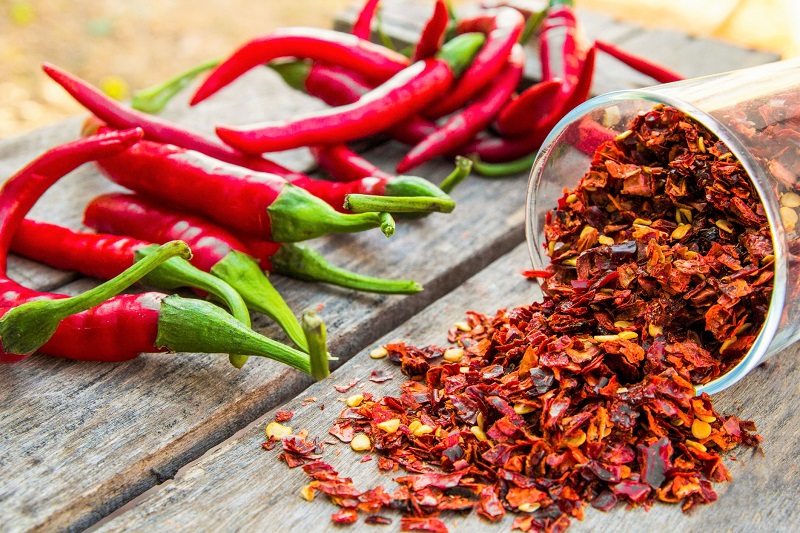
Spicy Red Pepper Flakes and red Chili peppers

Of course spicy foods can’t literally “burn” off the pounds. However, the research on spicy food and weight loss does seem positive. According to a meta-analysis of 20 studies, published in the journal Appetite, capsaicinoid compounds were found to support weight management. The review found that there were three main areas of potential benefit for weight management: increased energy expenditure, increased lipid oxidation and reduced appetite.

The researchers explain, “It was observed that consumption of capsaicinoids increases energy expenditure by approximately 50 kcal/day, and that this would produce clinically significant levels of weight loss in 1-2 years. It was also observed that regular consumption significantly reduced abdominal adipose tissue levels and reduced appetite and energy intake.”

While the authors did say that spicy foods are not a “magic bullet” for weight loss, they felt that it could be a healthy and beneficial part of a weight management plan.

Other Health Benefits of Spicy Food
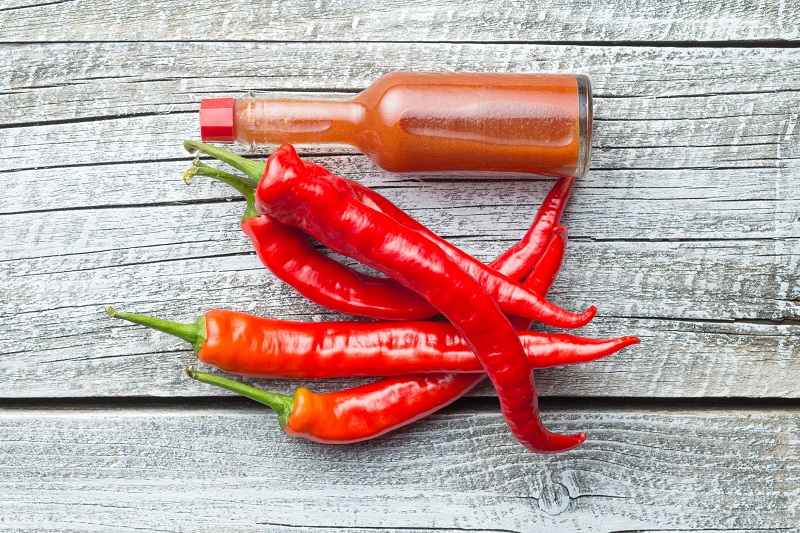
Spicy Red chili peppers and hot sauce on food may help with weight loss

Beyond playing a role in appetite reduction and potential weight loss, spicy foods are also healthy. For instance, according to an extensive population-based study published in BMJ, spicy foods might help you live longer. The study found that compared to those who ate spicy foods less than once a week, those who consumed spicy foods six or seven days a week showed a 14-percent relative risk reduction in total mortality.

On top of that, a trial published in PLoS One, based on data from the U.S. National Health and Nutrition Examination Survey, has also found that eating red chili peppers was associated with a 13 percent lower incidence of death from heart disease and stroke.
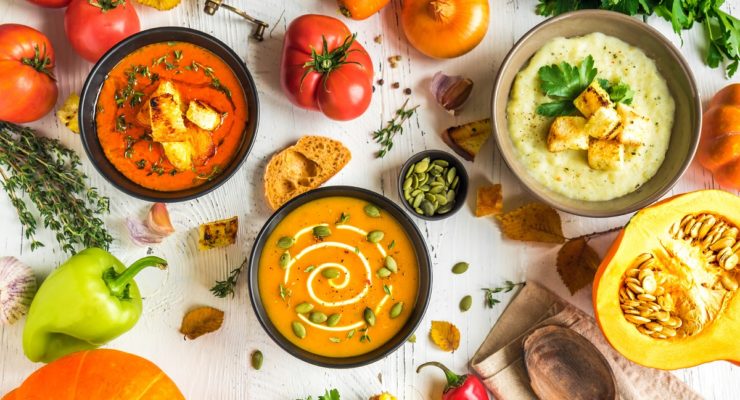
Hungry? 8 Foods to Help You Fill Up Fast

Read More

Fitting More Spicy Food into Your Day

person adding spicy seasoning while cooking healthy food for weight loss

With the potential weight loss and health benefits of spicy foods, you should feel good about adding some spice to your life. Eating more spicy foods can also be simple with the Nutrisystem plan. Nutrisystem has lots of spicy meals that will light up your taste buds with zesty flavors when you’re looking for a meal with a kick (Check them out below!).

We also have tons of ideas for whipping up some of your own deliciously spicy dishes at home. From buffalo turkey meatballs to spicy siracha slaw, we’ve got plenty of recipes here on The Leaf to spice things up! All of these recipes are both delicious and healthy, making it easy to fit them into your weight loss plans.

With some more spice on the menu, meals will never be boring again! And you can feel good about the health benefits of fitting some of these zesty dishes into your day. Stock up on the spicy foods from Nutrisystem below and spice up your life!

Try These Spicy and Zesty Options from the Nutrisystem Menu:

1. Spicy Kung Pao Noodles
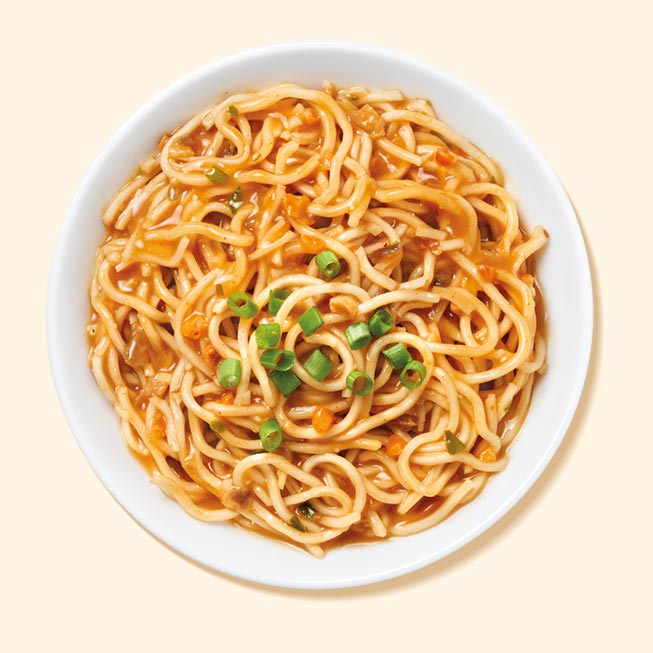
Spicy Kung Pao Noodles

Our Spicy Kung Pao Noodles are covered in a spicy soy sauce featuring the flavors of garlic, shallots, chili peppers, green onion and a sprinkle of peanuts.

2. Southwest Fiesta Melt
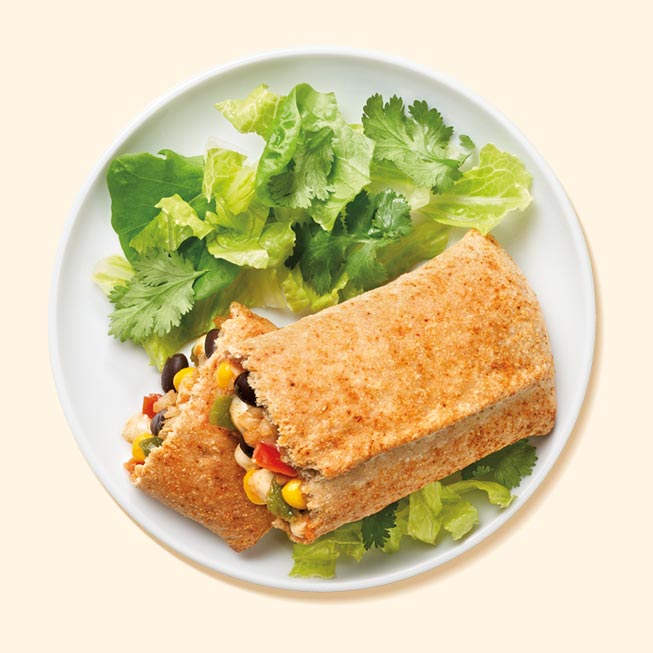
Southwest Fiesta Melt

This handheld lunch is a southwest fiesta inspired by a zesty burrito. The hearty whole-wheat crust is filled with a spicy medley of brown rice, black beans, corn and melted jack cheese!

3. Chicken Enchilada
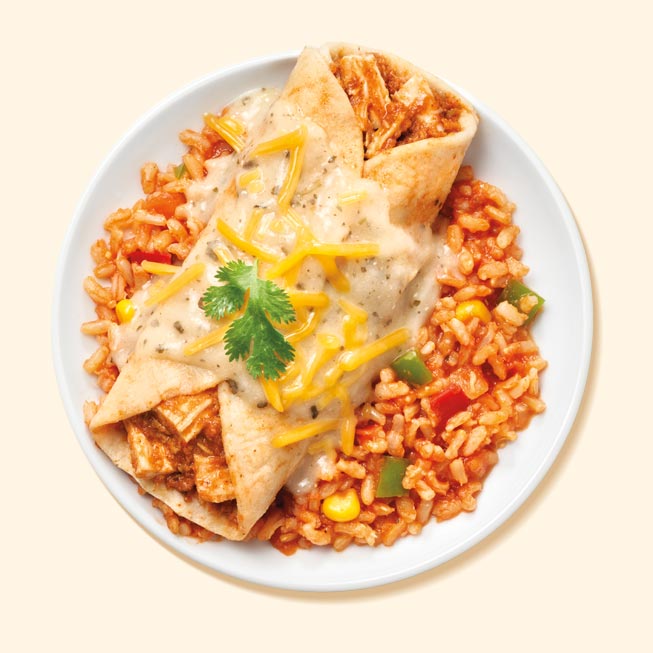
Chicken Enchilada

This smart and satisfying spicy meal features a corn tortilla stuffed with white meat chicken, peppers, onions and tomatoes. Topped with sour cream and melted cheddar cheese, it’s served with a side of Spanish-style brown rice cooked in seasoned tomato sauce.

4. Chicken Pot Sticker Stir-Fry
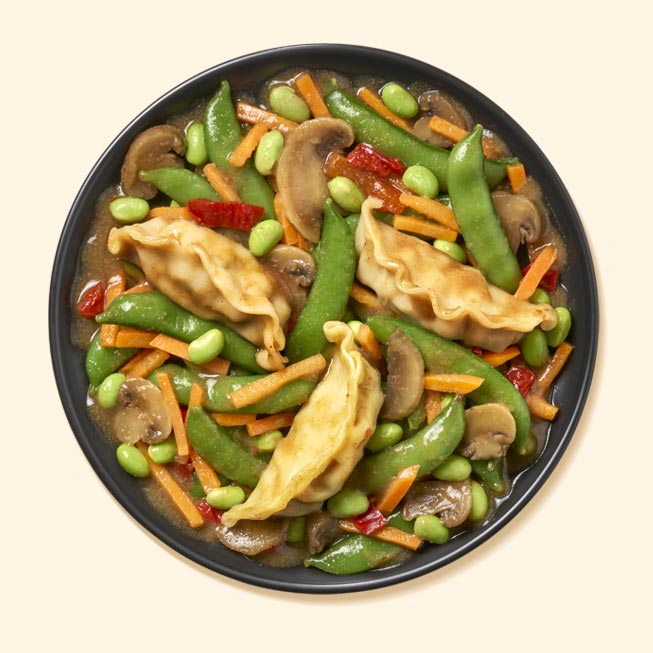
Chicken Pot Sticker Stir-Fry

This protein-packed meal is a part of our new line of premium Hearty Inspirations™ dinners. It’s a sizzling stir-fry skillet that combines a colorful medley of crisp vegetables with savory chicken pot sticker dumplings in our spicy chili ginger sauce.

5. Breakfast Burrito
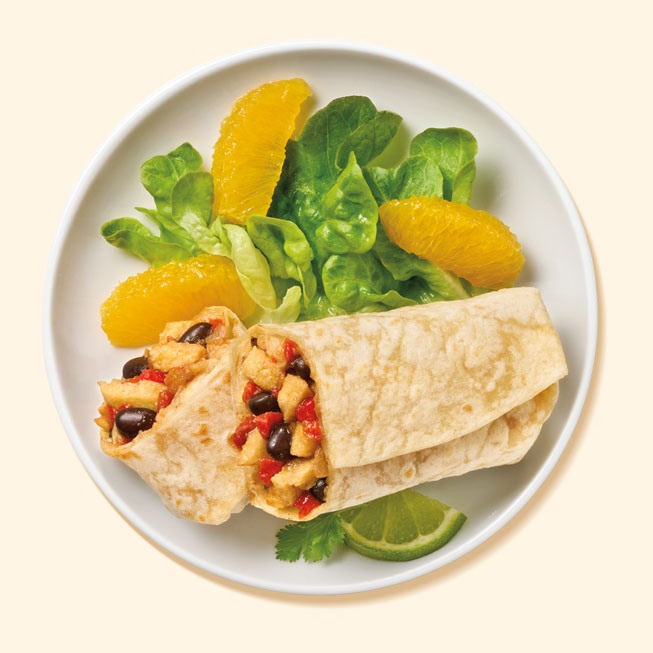
Breakfast Burrito

Wake up your taste buds with some spice! This zesty breakfast burrito is seasoned to perfection and filled with cheesy scrambled eggs, black beans, mozzarella and bell peppers in a soft and warm wheat flour tortilla.

The Top 9 Hardest Foods to Give Up for Weight Loss (And How to Still Enjoy Them!)

Read More

The post Does Spicy Food Help You Lose Weight? What The Research Says appeared first on The Leaf.


from The Leaf https://leaf.nutrisystem.com/does-spicy-food-help-you-lose-weight/

Millions of Americans get pumped up to lose weight on January 1st. But the winter months can make it hard to maintain that enthusiasm: The bone-chilling temperatures can make you want to curl up with carb- and fat-heavy comfort foods, not light, bright salads. Slick roads and gray skies can sap your spirit when it comes time to exercise … and no one’s going to see you in a bathing suit in February, anyway, right?

It’s no wonder, then, that despite all those resolutions, many people actually gain weight during the winter months. “On average, research shows that people gain one to two pounds over the winter months,” says the Washington Post. “For instance, a study of 195 people at the National Institutes of Health found weight gain of about one pound between late September and March.”

This winter weight gain could be from holiday fare, winter comfort foods, less exercise when it’s cold, or boredom (which can lead to snacking). While one pound doesn’t seem like much, it can add up year after year. In fact, evidence shows that American adults gain between one and two pounds each year.

Beat those winter blahs: Use these 5 tips to keep your motivation fire burning hot during the year’s coldest months.

1. Pick a healthy habit that you love to do.

Person chopping vegetables

When people think about weight loss, they think they’ll have to suffer. That attitude can sap your motivation before you even start your journey!

Start by finding a healthy habit that you love, and build around that—that’s how you make your weight loss journey become a new lifestyle. And it’s one reason Nutrisystem is so successful where other programs fail: You can still eat foods you love—like pizza, pasta, cakes and cookies—while losing weight.

Expand that idea to other healthy habits. If you love walking in the outdoors, do that! Make it a daily habit. If you find non-starchy vegetables that are tasty to you—slices of sweet bell pepper or crunchy carrot sticks—build your daily veggie servings around those.

Don’t forget the other side of this coin: Don’t do things that you hate! If you hate to exercise in the cold, you don’t have to. Head to the mall to walk in climate-controlled conditions, or try one of these other ways to hit your step goals in the cold. Can’t stand brussels sprouts? Don’t eat them! Find another non-starchy vegetable that you like to eat instead.

5 Surprising Reasons Winter is the Best Time to Lose Weight

Read More

2. Embrace laziness: Put some healthy habits on autopilot.

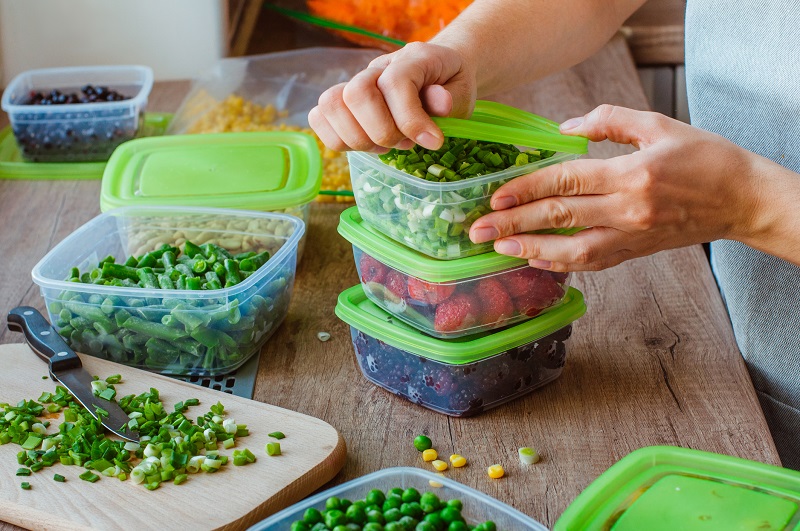
Hands closing container of vegetables

When it comes to habits that you don’t already love, making them more convenient can be the key to making them stick. Stanford behavioral scientists have created a principle that people call “designing for laziness,” and it’s perfect for de-motivating yourself to stop unwanted habits.

If you want to stop binging on cheat foods, like cheese curls, this principle might have you put them on a really high shelf that requires a stool or ladder. If you have to get out the stool, climb onto it and grab the bag to eat them … each of these steps makes it easier for you to decide to avoid the temptation of this cheat food. Studies show this method really works.

You can also flip it on its head: Make habits that you want to do easier. If you want to eat more vegetables, prep a whole bunch of carrots sticks in containers in your fridge. That way, when you’re ready to snack, you won’t have to peel and chop before you chow down. Still too hard? Buy them pre-cut!

3. Buy some cool winter workout gear—or an awesome glass for your daily water.

Person tying running shoes

Having trouble getting moving? Make exercise something you look forward to. Invest in  some cool, comfortable shoes you’ll really want to wear, a motivating t-shirt with a phrase that makes you smile, or an outfit that just makes you feel cute while you’re bundled up for an outdoor walk. If you love how you look, you’ll look forward to putting that workout gear on—and once your workout gear is on, you’re one step closer to taking your daily steps.

This works for other healthy habits, too. Nutrisystem recommends that all members drink 64 ounces of water per day. Doing so can help you stay hydrated and feel fuller throughout the day. If you’re having trouble making that goal, find a way to make it fun! Try drinking through a crazy straw. Get a cool water bottle—or one with a funny phrase or cute animal on the outside. Or if you’re more of a fantasy fan, get a big, king-like goblet that you’ll love drinking from each day. Make the act of holding that water fun, and you’ll be more likely to drink it … after all, it’s already in your hand!

7 Winter Workout Tips for Cold Weather Exercise

Read More

4. Plan something for the spring.

A couple strolling through the grass

Give yourself something to look forward to that will be a reward for your hard work—and where you’ll be excited to show off your progress. It could be a trip to a local beach or lake, a more extravagant trip, or even just a meetup with friends that you’ve been putting off.

Why? Losing weight and winter can be stressful. Studies show that having something positive to look forward to can help you cope with stress. And it might help you feel happier now, too: Another study from the Netherlands found that the act of planning a vacation increased the happiness in study participants.

5. Build a support system.

Man talking on a cell phone

Losing weight is harder when you go it alone. Being able to talk to people on the same journey—to share tips, learn from their struggles, and even just have a sounding board can be the secret to meeting your goals. In one study of this effect, only 25 percent of people who started a weight loss program alone lost weight and kept it off for six months, while two-thirds of those with a support system were able to keep weight off.

If you don’t have friends or family who are currently on a weight loss program of their own, grab your phone: Log on to Nutrisystem’s Facebook page for tips, and search for groups of fellow members—either near you or around the country. They may also be able to help with accountability, another crucial tool for staying on track: In one study from 2013, participants who posted their weight loss progress on Twitter lost more weight than those who didn’t share their progress with anyone. Twitter may be a bit too public for you—if so, stick with a supportive, private Facebook group, a group text with friends or a community that fits your goals.

Nutrisystem’s coaches are also a part of your support system. They are available to answer meal plan questions or just to provide a little motivation—chances are, they’ve probably talked with another member who has had your exact question! Best of all, it’s free to reach out: Call 1-800-585-5483 to be connected with one of Nutrisystem’s well-trained, friendly professional weight loss coaches.

The Nutrisystem Winter Weight Loss Guide

Read More

The post 5 Tips to Keep Your Motivation in Winter appeared first on The Leaf.


from The Leaf https://leaf.nutrisystem.com/tips-to-keep-your-motivation-in-winter/

To stay warm during the freezing season, you’ll need a coat, boots, hat, scarf and maybe even long underwear. To stay healthy, you’ll need a nutritional game plan. The right vitamins and nutrients not only help you resist the bacteria and viruses that cause colds and flu, but they also help ease symptoms of—or shorten the duration of—your winter illnesses.

These are the five nutrients your body needs more of in winter:

1. Vitamin D

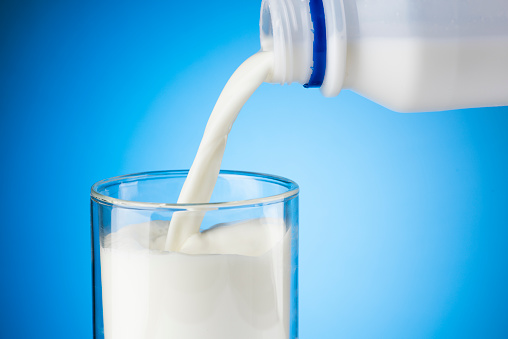
Nutrients Your Body Needs Nonfat Fortified Milk
Nonfat, fortified milk is a protein-packed way to get vitamin D, so you don’t miss out on the nutrients your body needs.

Why you need it this season: It’s in very short supply. Unless you live close to the equator, you’ll be hard-pressed to get enough vitamin D this winter. While consuming lots of liver, egg yolks, cheese, fatty fish or vitamin D-fortified foods is an option, most will be deprived of the greatest source of vitamin D—the sun. The sun’s Ultraviolet-B rays produce vitamin D right in your skin but, as you can imagine, in winter, the sun’s rays are at so much of an angle that they don’t actually enter the earth’s atmosphere. According to the Vitamin D Council, to get 1000 IU of Vitamin D in winter, you’d have to expose about a quarter of your body to the sun for about 15 to 20 minutes. If you’re in Miami, lucky you, this might not be a problem. But, if you’re in Boston, where it’s a lot colder, you might need to sunbathe an hour or two. Somehow, the second option seems a bit less fun.

7 Signs You Need More Vitamin D

Read More

Vitamin D is one of the nutrients your body needs in the winter because of its ability to work like a gangbuster in supporting a healthy immune system, deflecting cold and flu viruses, as well as bacterial infections. In fact, scientists suspect that one reason you’re more likely to get the flu in the winter is because you’re not getting enough of the sunshine vitamin.

In recent years, vitamin D deficiency has also been linked to the bone thinning disease, heart disease, cancer and even Alzheimer’s disease. It’s also linked to the bone-thinning disease, osteoporosis. In fact, older people tend to lose more bone during winter because of vitamin D deficiency.

One potential bonus to keeping up with your D in winter: A 2014 University of Georgia study published in the journal Medical Hypotheses suggests that there may be a link between seasonal affective disorder—the overwhelming depression that many people experience during the winter months—and a vitamin D deficiency caused by less exposure to sunlight. This typically occurs more frequently in people who live far north or south of the equator, according to the National Institute of Mental Health.

Are You Getting Enough Vitamin D?

Read More

How much you need: 600 IU for men and women between the ages of 18 and 70; 800 IU for those over 71.

Best food sources: Swordfish (three ounces, cooked), 566 IU; salmon (three ounces, cooked), 447 IU; fortified orange juice (one cup), 101 IU; fortified nonfat milk (eight ounces), 99 IU.

2. Vitamin C

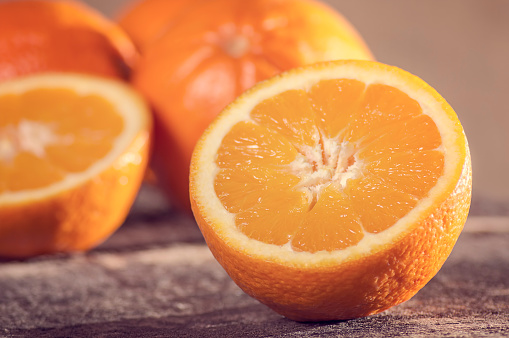
Nutrients Your Body Needs This Winter Orange Vitamin C
Winter worries about the nutrients your body needs? Fresh oranges pack a vitamin C punch.

Why you need it this season: While perhaps not quite the miracle cold cure it was once considered, a 2009 analysis of studies examining vitamin C’s effect on the common cold found that this immune-boosting vitamin can slightly reduce the duration of colds in healthy people. One study published by the National Center for Biotechnology information even found an 85 percent reduction in symptoms.

Vitamin C may also help if you’re at high risk of getting a cold because of frequent exposure, according to the Mayo Clinic. Healthcare workers and teachers, who interact with other individuals all day long fall into that category. The effects are more pronounced if you’re C-deficient and about 13 percent of Americans are, even though it’s relatively easy to get C in the diet. Smokers are at greatest risk, but just one quarter of a cup of orange juice meets the adult daily requirement of 90 mg.

How much you need: 90 mg for men over 18 and 75 mg for women over 18.

Best food sources: Raw red pepper (a half cup, chopped), 95 mg; orange juice (one cup), 96 mg.; orange (140 g), 83 mg; kiwifruit (69 g), 64 mg; raw green pepper (a half cup), 60 mg; broccoli (a half cup cooked), 51 mg; strawberries (a half cup, sliced), 49 mg.

3. Essential Fatty Acids (Omega-3s)

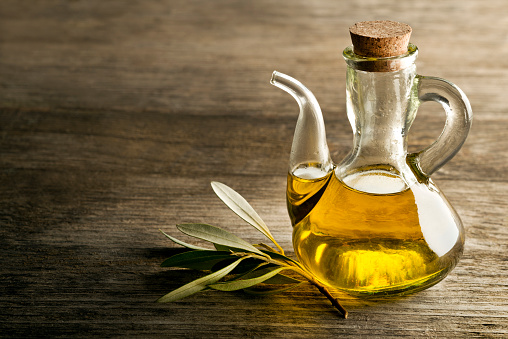
Nutrients Your Body Needs This Winter Omega-3 Fatty Acid Oil
Oil does much more than help you feel full. Flaxseed and canola oils ensure you are nourishing your body with fatty acids, nutrients your body needs.

Why you need it this season: These essential nutrients are famous for their role in heart disease and inflammatory autoimmune condition (rheumatoid arthritis) prevention, but studies suggest they may also play a significant role in shoring up your immune system against the onslaught of winter illness. Omega-3s, found mainly in fatty fish like salmon and tuna, enhance the disease-fighting power of immune system cells, like white blood cells or B-cells, according to a recent study from Michigan State University researchers, published in the Journal of Leukocyte Biology.

How to Use Chia Seeds in Your Cooking

Read More

How much you need: There’s no official daily requirement for omega-3s as there is for vitamins, but the 2015 Dietary Guidelines for Americans recommends two, four-ounce servings of fish a week which is the equivalent of 250 mg daily of omega-3s. Most Americans get the equivalent of less than one ounce of fish per day, according to a study published in Nutrition Journal.

Best food sources: Government health agencies list food sources according to the types of omega-3 fatty acids food contain (there are three). The best sources in general are fatty fish such as salmon, mackerel, tuna, herring and sardines; plant oils such a flaxseed, soybean and canola oils; chia seeds and black walnuts.

4. Zinc

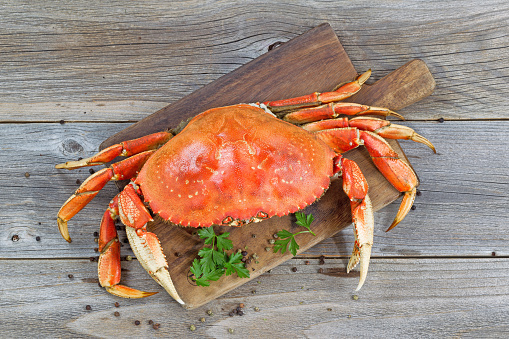
Nutrients Your Body Needs This Winter Zinc Crab
Treat yourself to some crab this evening and get a whole host of winter nutrients your body needs. Zinc is just as important as the other guys for cold weather health.

Why you need it this season: One word: Colds. You’ve probably seen a packet of zinc lozenges at the checkout counter of your local pharmacy this winter. That’s because there’s some evidence that zinc can help cut the severity and duration of the common cold—by maybe as much as 50 percent. Zinc is essential to keeping your immune system soldiers—T cells (from the thymus gland), Natural Killer (NK) cells, and lymphocytes (both kinds of white blood cells)—armed and good to go when there’s an invasion of disease-causing microbes. It also plays a role in producing antibodies to neutralize invaders.

How much you need: Men need 11 mg, while women need 8 mg a day.

Best food sources: Oyster (three ounces cooked mollusks), 28 mg; beef chuck roast (three ounces cooked, boneless), 8 mg; Alaska King crab (three ounces cooked), 6 mg; beef patty (three ounces broiled, 93% lean meat), 5 mg; fortified breakfast cereal (one cup, Multigrain Cheerios), 4 mg.

5. Vitamin A (Retinoids and Carotenoids)

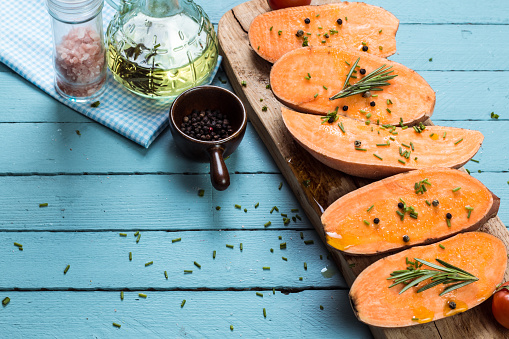
Nutrients Your Body Needs This Winter Vitamin A Sweet Potato
Did you know you can use sweet potatoes as bread? Slice one into quarter rounds for a flavorful bread substitute. Having the nutrients your body needs has never been easier and more delicious!

Why you need it this season: This one’s a double boost to your immune system. Like vitamin D, vitamin A has, as one researcher noted, “a crucial effect on the immune response.” This fat-soluble vitamin enhances the activity of T cells and B cells (those responsible for antibodies) and may even prevent B cells from dying. Early studies found that vitamin A could reduce death and complications in kids with measles, which is caused by a virus and is today prevented by vaccine.

You may also get a bonus if you increase your intake of vitamin A foods. Beta-carotene—the raw material from which vitamin A is made—may fortify your immune defenses on its own, even before it’s transformed to A, based on a study published in the Journal of Nutrition.

How much you need: 900 micrograms (3,000 IU) for adult men, 700 mcg (2,300) for adult women

Best food sources: Sweet potato (large, whole baked), 1,730 mcg and 34,592 IU; beef liver (one slice, pan fried, 81 g), 6,273 mcg and 21,131 IU; spinach (boiled, half a cup) 472 mcg and 9,433 IU; carrots (half a cup cooked slices), 665 mcg and 13,286 IU; cantaloupe (half a cup, cubed), 135 mcg and 2,706 IU; red peppers (sweet, half a cup, chopped), 117 mcg and 2,333 IU.

*Always speak to your doctor before making dietary changes or before starting a new supplement.

The post 5 Nutrients Your Body Needs More of This Winter appeared first on The Leaf.


from The Leaf https://leaf.nutrisystem.com/nutrients-body-needs-winter/

Oatmeal is a simple but powerful food that can set you up for a day of healthy eating. It’s loaded with two kinds of fiber, so it keeps you feeling full for longer. Oatmeal provides you with essential vitamins and minerals including phosphorus, B-vitamins, magnesium and zinc. You can learn all about the benefits of eating oatmeal in our Food Facts story.

As good as oatmeal is for our healthy diets, on its own, it’s a little plain for our taste buds. Many instant oatmeal varieties from the grocery store come in tempting flavors, but they’re often high in added sugar and other ingredients that you want to avoid. Instead, you can turn ordinary oats into a flavor sensation with ingredients that amp up the taste without adding empty calories.

(Pro Tip: Looking for the convenience of instant oatmeal without the guilt? Nutrisystem provides you with perfectly portioned, delicious oatmeal options that fit into your weight loss plan! Enjoy two delicious flavors: Apple Walnut and Maple Brown Sugar! >)

Now here’s the best part: you can have exciting oatmeal combos ready to eat when you wake up. With these overnight oatmeal recipes, the slow work of turning the grains tender and tasty happens while you sleep.

We gathered seven simple but delicious easy overnight oats recipes that you can make to kickstart your day—while you’re still in bed! All you need are your ingredients and a simple jar with a lid. You can enjoy any of these oatmeal combos cold right out of the refrigerator or you can gently warm them in the microwave.

10 Ways to Give Your Morning Oatmeal a Makeover

Read More

1. Superfood Overnight Oats >

Superfood overnight oats

Servings: 1

Calories per Serving: 268

On Nutrisystem, Count As: 1 SmartCarb, 1 PowerFuel and 2 Extras

When you need to fuel up for a busy day, try this recipe, which features two extra-nutritious ingredients. First, there are hemp seeds. They’re rich in protein and omega-3 fatty acids, which promote heart health and proper brain function. We also include maca powder, a superfood with a nutty, slightly butterscotchy taste that’s believed to naturally boost your energy. Add cinnamon for a little zing , some berries for sweetness and you’ve got a breakfast that will turbocharge your morning. Get the full Superfood Overnight Oats recipe here! >

2. Mocha Coffee Overnight Oatmeal >

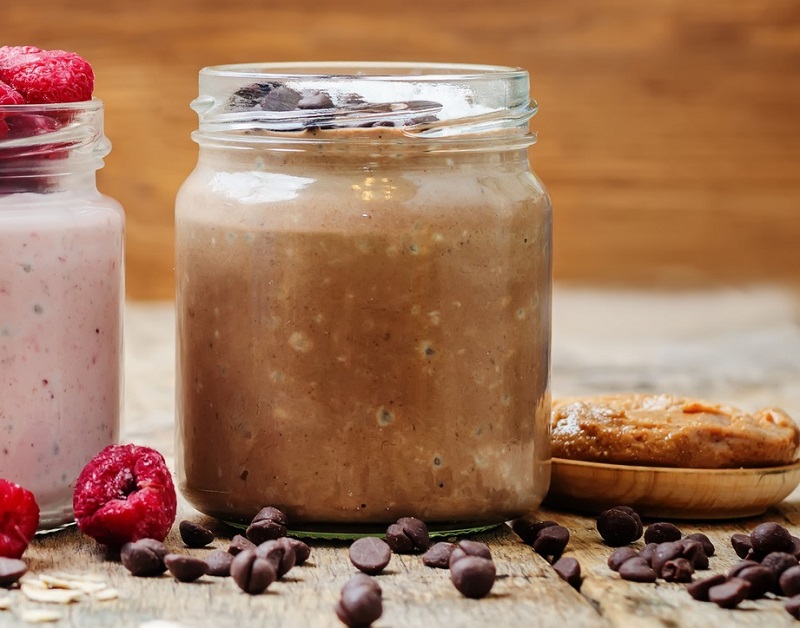
Mocha Coffee Overnight Oatmeal

Servings: 1

Calories per Serving: 217

On Nutrisystem, Count As: 1 SmartCarb, 1 PowerFuel and 1 Extra

Love the flavor of coffee and chocolate? Then this mocha-flavored morning meal may seem like dessert to you. It starts with high-protein Greek yogurt, which gives the oatmeal a creamy, smooth texture. Add freshly brewed coffee, unsweetened cocoa powder and chocolate chips for that bitter-sweet contrast, plus a scattering of slivered almonds for a bit of crunch. It’s your cup of joe and breakfast all in one jar! Click here for the Mocha Coffee Overnight Oatmeal recipe! >

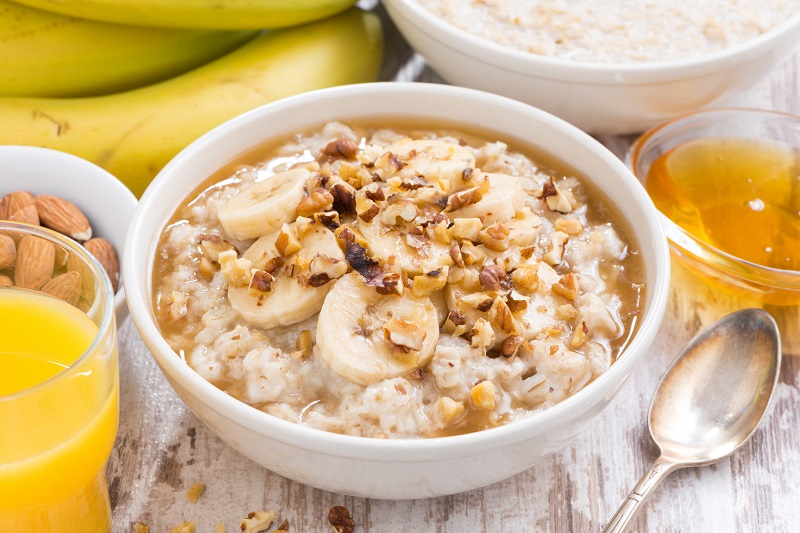
3. Banana Nut Overnight Oatmeal >

Banana Nut Overnight Oatmeal

Servings: 1

Calories per Serving: 276

On Nutrisystem, Count As: 1 ½ SmartCarbs, 1 PowerFuel and 1 Extra

Bananas make almost any breakfast better. They’re sweet, high in fiber and perfectly soft. For this oatmeal combo, we soak the oats in almond milk and add sugar-free maple syrup plus vanilla for more sweetness. Crushed walnuts give you something to bite and your breakfast is ready. Check out our Banana Nut Overnight Oats recipe right here! >

11 Healthy Air Fryer Breakfast Recipes

Read More

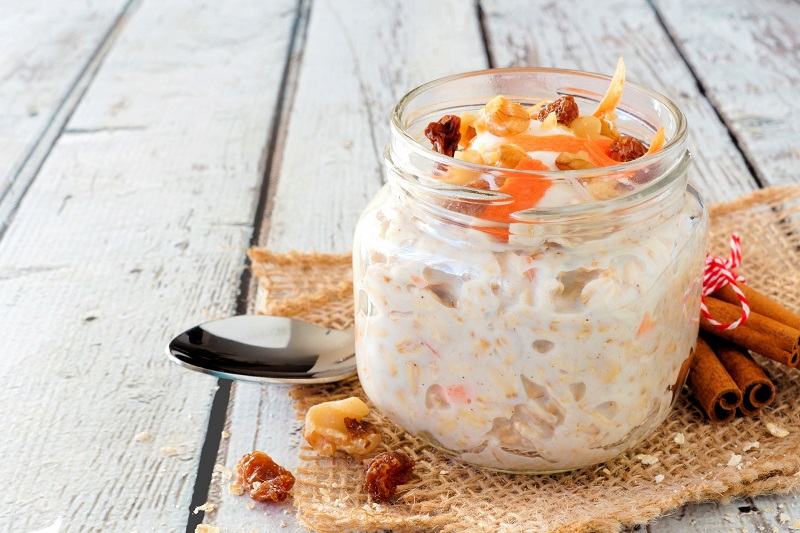
4. Carrot Cake Overnight Oats Parfait >

Carrot Cake Overnight Oats Parfait

Servings: 1

Calories per Serving: 248

On Nutrisystem, Count As: 1 SmartCarb, 1 PowerFuel, ½ Vegetable and 1 Extra

Parfait is a fancy word for layers of delicious ingredients. Oatmeal and almond milk mixed with sweet, shredded carrots and a sprinkle of cinnamon make the tasty base of these overnight oats. On top of that comes a dollop of creamy Greek yogurt blended with honey and walnuts. Each spoonful treats you to a delightful variety of tastes and textures that will remind you of a satisfying slice of carrot cake. Get the full Carrot Cake Overnight Oats recipe here! >

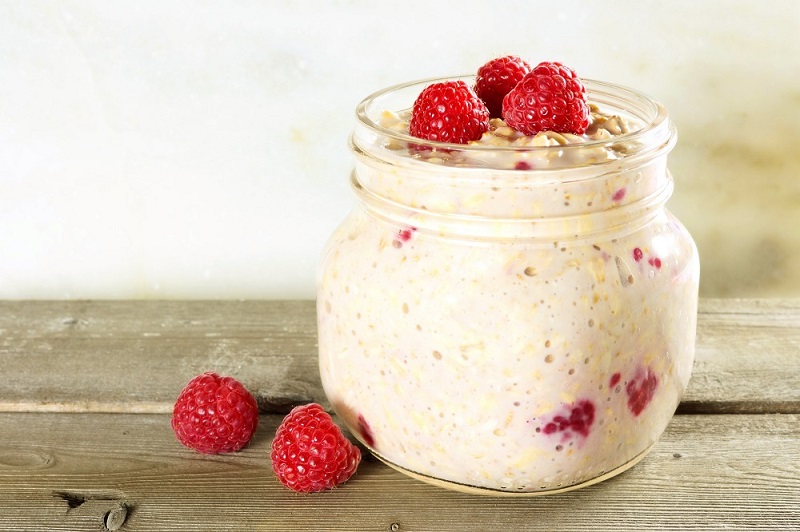
5. Berry Cheesecake Protein Overnight Oats >

Berry Cheesecake Protein Overnight Oats

Servings: 2

Calories per Serving: 214

On Nutrisystem, Count As: 1 ½ SmartCarb, ½ PowerFuel and 1 Extra

Here’s another cake-inspired breakfast! Nonfat milk and cream cheese create this decadent, pudding like oatmeal recipe that features fresh berries (pick your favorite!) and chia seeds. We also pump up the protein and sweetness with a scoop of Nutrisystem’s Sweet Vanilla Protein Shake Mix. It’s filling, flavorful and fabulous! Check out the full recipe for our Berry Cheesecake Protein Overnight Oats! >

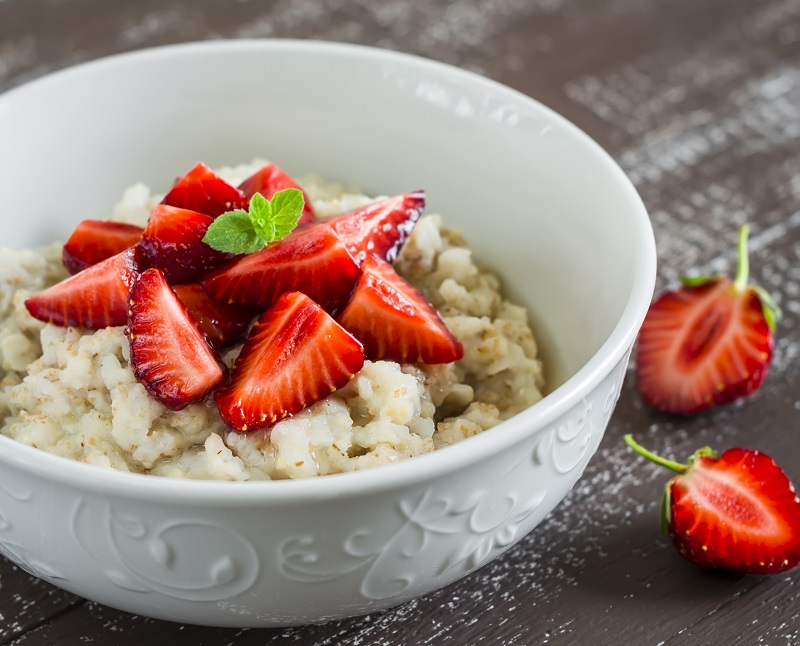
6. Strawberry Fields Overnight Oatmeal >

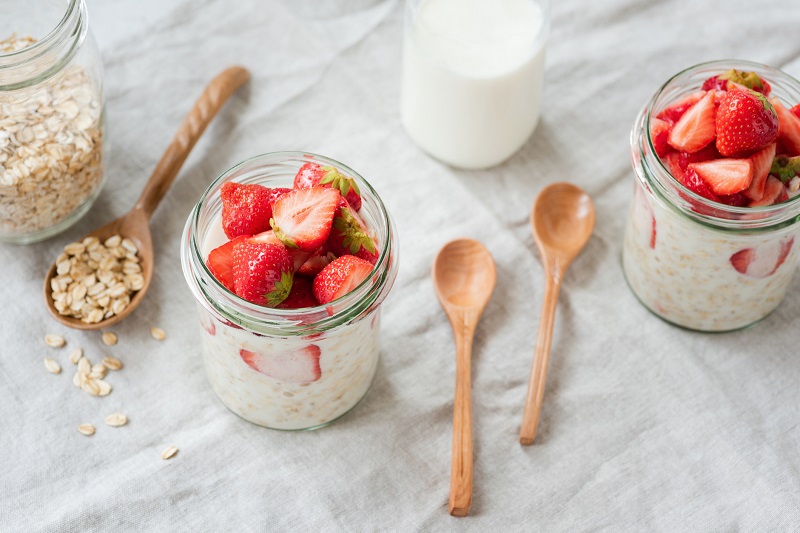
Strawberry Fields Overnight Oatmeal

Servings: 1

Calories per Serving: 206

On Nutrisystem, Count As: 1 ½ SmartCarbs, 1 PowerFuel and 1 Extra

Strawberries are so naturally sweet and juicy that they’re irresistible on their own. Add them to your overnight oatmeal and you get a dose of vitamin C to power up your immune system and extra fiber, too. Skim milk and Greek yogurt give you protein for energy and tenderize the whole grain oats. Stir in a sugar-free strawberry jam to infuse the whole meal with fruity flavor and top with chopped strawberries to complete your new morning favorite. Get the recipe for our Strawberry Fields Overnight Oatmeal right here! >

The Top 9 Frozen Breakfast Options From Nutrisystem

Read More

7. Blueberry Peach Pie Protein Overnight Oats >

Blueberry Peach Pie Protein Overnight Oats

Servings: 2

Calories per Serving: 180

On Nutrisystem, Count As: 1 SmartCarb, 1 PowerFuel and 1 Extra

Peach pie for breakfast? Yes, please! The flavors of this classic dessert are at the center of this easy morning meal, which features fresh peaches and blueberries, vanilla, cinnamon and a pinch of ground ginger. It’s even got some protein from a scoop of Nutrisystem’s Sweet Vanilla Protein Shake Mix. Meal prep while you sleep with this tasty treat, which is one of our favorite easy overnight oats recipes. Check out the full recipe for Blueberry Peach Pie Protein Overnight Oats! >

The post Meal Prep While You Sleep! 7 Easy Overnight Oats Recipes appeared first on The Leaf.


from The Leaf https://leaf.nutrisystem.com/overnights-oats-recipes/

“I really feel for the trees this time of year,” says Maxine, a popular greeting card character in one of Hallmark’s autumn-themed cards. “At least when I went through ‘the change,’ nothing fell off.”

What is Menopause? What is Perimenopause?

“The change,” otherwise known as menopause, is a time when a woman’s production of reproductive hormones start to decline. Though it’s frequently described as having “symptoms,” it’s not a disease.

Menopause is a normal and natural physical transition. Technically, it’s a point in time: 12 months after your last menstrual period. For most women, that occurs by the time they reach their early 50s, though it can happen earlier or later.

But in real life, what we call menopause refers to a longer stretch of time—anywhere from seven to 14 years—when you may experience disruptions in your monthly cycle and other changes. If you haven’t been without a menstrual period for 12 months, your doctor will tell you that your symptoms of menopause mean you’re in “perimenopause.”

Symptoms of Menopause and Perimenopause

woman at the doctors

Not everyone experiences perimenopause or mesopause in the same way. That’s because the waning of the hormone levels that cause it—estrogen and progesterone—occur at widely varied paces in each woman.

Some women have little to no trouble at all. They sail through, enjoying the freedom of never having to buy another box of tampons or to warn their significant others that premenstrual syndrome (PMS) is on the way.

For other women—sorry, Maxine—menopausal transition is no joke. They may experience sudden rises in body temperature called hot flashes that can leave them flushed, sweating, or wake them up from a sound sleep. (The erratic fluctuations of estrogen levels during perimenopause can cause blood vessels to constrict or dilate, causing this uncomfortable feeling of flushing. Estrogen also controls your inner thermostat.)

Some women may find themselves trading PMS for moodiness, irritability or depression. Sometimes, sex may become physically painful, largely because of vaginal dryness, the result of estrogen decline that can also lead to less hair on the head and more on the face (ugh!).

And then there’s menopausal weight gain. Nothing may fall off during “the change,” but you can add something: belly fat. What some refer to as the “meno-pot,” it’s an accumulation of fat in the waist that does more than make you start shopping for Boho tunics to cover it.

Menopausal Weight Gain and Inflammation

woman standing on a scale next to a measuring tape

At menopause, belly fat isn’t just a cosmetic issue. Like an iceberg, it’s what you don’t see that can hurt you. So-called “visceral fat” is buried deeper in the abdomen (visible only on medical scans) where it takes on a life of its own. It becomes like another organ, producing proteins that cause inflammation.

Normally, inflammation is a good thing. It’s your body’s way of mobilizing your immune system to fight off infection and promote healing.

If it turns on when there are no invaders, you may have an autoimmune disease such as rheumatoid arthritis in which your immune system attacks healthy tissue. And if it doesn’t turn off at all, you experience chronic inflammation that can go on for months and years after the original trigger is gone.

Medical conditions as varied as heart disease, cancer, Type 2 diabetes and Alzheimer’s have all been linked to chronic inflammation. The risks of all these diseases go up in both men and women as they age.

Studies have found that women tend to gain weight and centrally located body fat as estrogen declines. One reason: evidence from lab animal studies suggests that estrogen helps control weight and having less estrogen may lower metabolic rate, which is how quickly the body burns calories.

You don’t need to shell out for a pricey scan to find out if you’re harboring dangerous belly fat. If your “pear shape”—heavier on bottom than on top—had evolved into an “apple shape” as you’ve aged, that’s usually a clue that you have visceral fat tucked in and around your vital organs sending out inflammation signals.

The Good News

woman eating a healthy salad at home

Ok, ready for some good news? You can ease into this “normal” time of life naturally. All symptoms of menopause are treatable, most through lifestyle changes. These include making some tweaks to your menopause diet (more calcium for weight loss, fewer spicy foods and caffeine to quell hot flashes), exercising more (physical activity also declines as we age), quitting smoking, cutting down on alcohol, and using vaginal creams to combat dryness.

If your symptoms are more severe than what can be handled naturally, your healthcare provider may have other treatment options—most not hormonal if you’re concerned about the associated health risks—that can help you make this rite of passage as easy as possible. Speak to them if you have any questions about perimenopause, menopause or their symptoms.

7 Diet Tweaks To Help You Sail Through Menopause

Read More

The post Menopause Simplified: What’s Really Happening When You Go Through “The Change” appeared first on The Leaf.


from The Leaf https://leaf.nutrisystem.com/what-is-menopause/

MKRdezign

Contact Form

Name

Email *

Message *

Powered by Blogger.
Javascript DisablePlease Enable Javascript To See All Widget