Latest Post

Noticed a lot of cauliflower recipes popping up in your social media feeds lately? It’s no wonder: In June, Time magazine declared that cauliflower is the new “It” vegetable. That’s quite a step up for a vegetable that, for decades, has been broccoli’s boring cousin.

Turns out, cauliflower is extraordinarily versatile, which is why cauliflower recipes are all the rage these days. You can mash it like mashed potatoes; rice it like, well, rice; turn it into pizza crust, sandwich bread, faux buffalo wings, “tater” tots, mashed “potatoes,” even grilled “steak.” Suddenly, its mild flavor and interesting texture—crunchy when raw, soft when cooked—has made it the go-to replacement for higher-calorie, high refined-carb foods.

Like broccoli and cabbage, cauliflower is a cruciferous vegetable. One cup of raw cauliflower has only 25 calories and a filling 2.5 grams of fiber. One serving also supplies 77 percent of the recommended daily value of vitamin C and it’s a good source of folate, a B-vitamin that helps your body produced healthy new cells.

Cruciferous vegetables such as cauliflower also contain large amounts of antioxidant chemicals that, studies suggest, may help you prevent chronic diseases such as heart disease, diabetes and cancer. For example, one study done in China found that women who ate the most cruciferous vegetables had 50 percent of the risk for breast cancer as women who ate the least amount.

Combine them with their cousins, which include Brussels sprouts and kale, and you boost their antioxidant power.

You can find some delicious ways to serve cauliflower on The Leaf, Nutrisystem’s website that provides hundreds of recipes (and lots of inspiration). Start with our guide to using cauliflower to make rice, pizza crust and more (Available here >).

All you need is a food processor or a grater to turn raw cauliflower florets into rice-like morsels that you can use just like rice or, mixed with egg, goat cheese and herbs and spices, into a delicious pizza crust. You can also use your cauliflower rice to sub for bulgur wheat in Tabbouleh Salad and for potatoes in tots and chowder.

But the options don’t end there.

Here are 11 other cauliflower recipes you need to try ASAP:

1. Cauliflower Fried Rice >
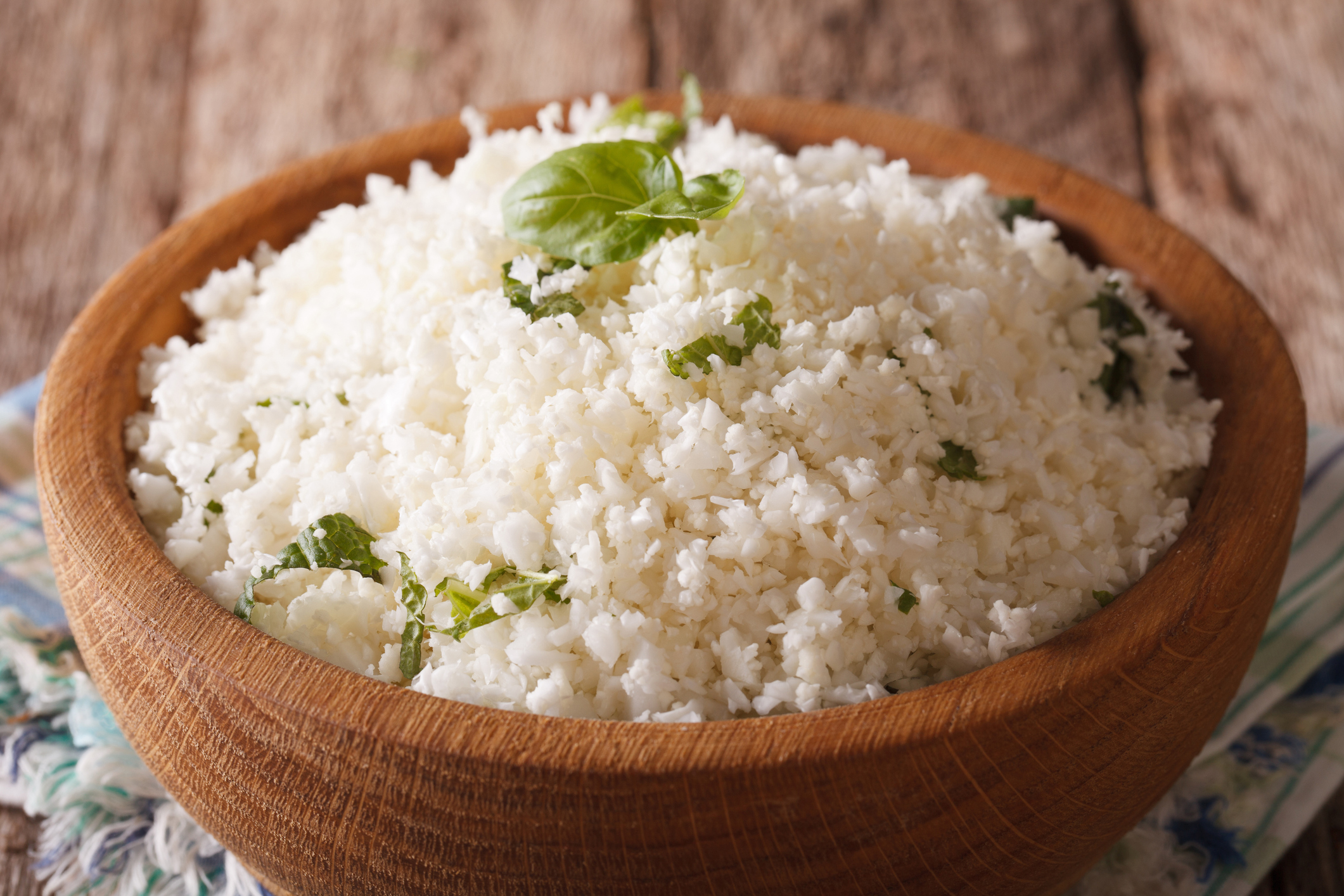
cauliflower rice

Imagine your favorite wok dish with way fewer calories. This authentic cauliflower recipe calls for mixed veggies—like carrots, snow peas, bell pepper, water chestnuts and soy beans—in a soy sauce-ginger mix with garlic, scrambled eggs and shrimp. It’s only 278 calories per serving and counts as two PowerFuels, one Vegetable and one Extra.

2. Spinach, Mushroom, Cauliflower Risotto >
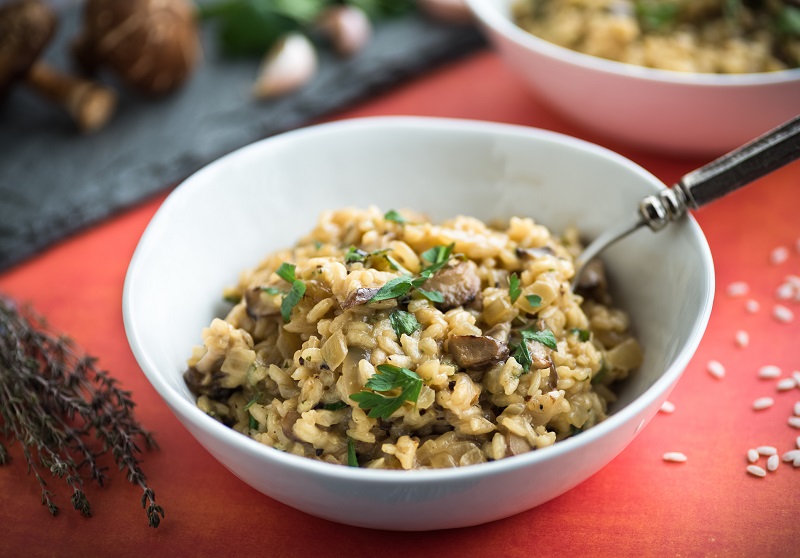
cauliflower risotto

Creamy risotto at 143 calories—and without the tedious stirring? You’ve got it in this recipe that substitutes riced cauliflower for rice. Two full cups of mushrooms, three cups of spinach, onion, garlic and a low-fat three-cheese blend make this dish extra flavorful and healthy. Counts as one PowerFuel, one Vegetable and one Extra.

3. Slow Cooker Garlic Herb Mashed Faux-tatoes >
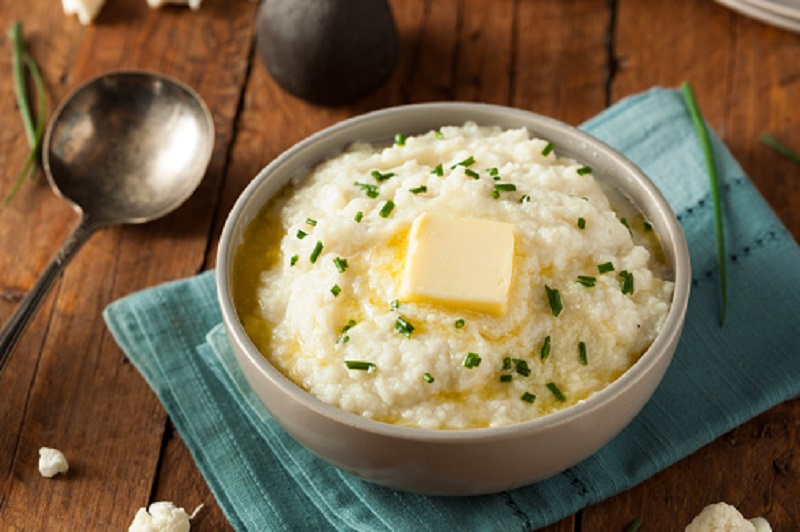
faux-tatoes

One head of cauliflower, mixed with vegetable broth, garlic and herbs like sage, rosemary, thyme and parsley, will fill the house with delicious fragrances while it cooks in your slow cooker. It can turn even leftover holiday meats into a special dinner. One-sixth of this recipe counts as one Vegetable and two extras.

4. Cauliflower Mac and Cheese >

Cauliflower mac and cheese

Mac and cheese at 114 calories? Sounds impossible, but not when you substitute cauliflower for the usual macaroni. Cut one head into small florets and mix with a creamy, cheesy sauce containing cheddar, cream cheese and almond milk. This makes a tasty side dish or a fabulous lunch or dinner that counts as one PowerFuel, one Vegetable and one Extra.

5. Cheezy Cauliflower Soup >

cauliflower soup

Save yourself the excess calories of cheese with this recipe for a creamy soup that gets its cheese flavor from nutritional yeast. Yes, yeast. Trust us, it’s delectable. Add sliced leeks, garlic and low-sodium chicken broth to finish off this light flex lunch (add some lean meat for a full, filling meal). Counts as one SmartCarb and one Vegetable.

6. Cauliflower Sweet Potato Soup >
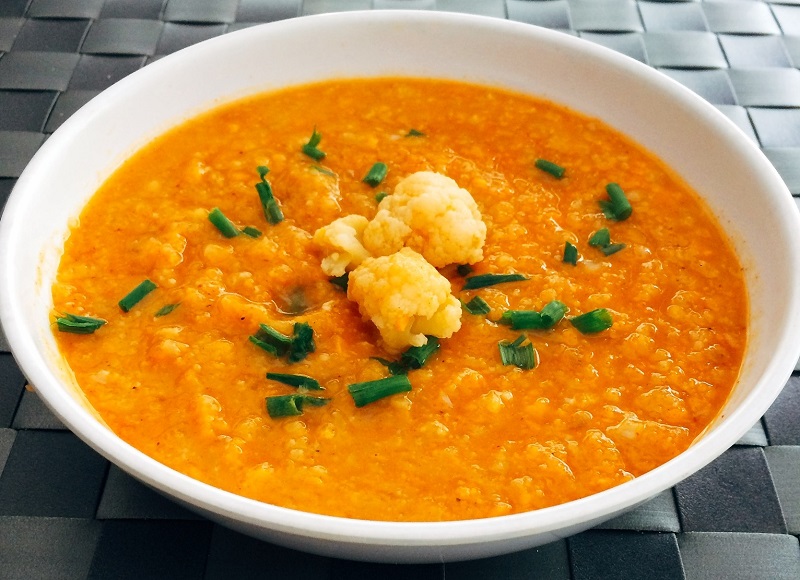
Cauliflower Sweet Potato Soup

Like cauliflower, sweet potatoes contain antioxidant chemicals that may help you fight chronic and killer diseases such as diabetes, cancer and heart disease, so you’re getting a double dose of healthy in this satisfyingly sweet soup spiced with coriander, paprika, cumin and ginger. And all for only 127 calories a serving. Not bad… just like all of our cauliflower recipes! Counts as one SmartCarb, one Vegetable and one Extra.

7. Cauliflower Buffalo Bites >
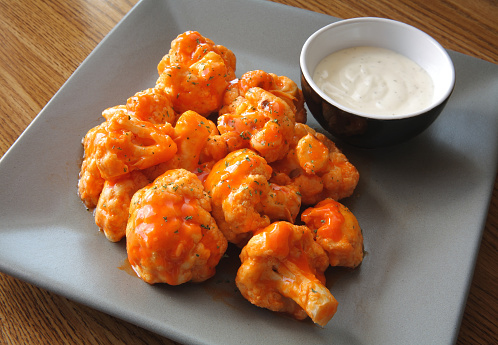
cauliflower buffalo bites

We have to admit… this is our favorite of the cauliflower recipes. If you’re missing your buffalo wings, you won’t be for long when you taste these. The secret of great buffalo wings—which are high in fat and calories—is the sauce. And you can get that same satisfying taste by substituting cauliflower florets for meat. Really! (You can even find buffalo cauliflower in the frozen food section!) Serve spicy buffalo sauce over florets that you’ve baked in the oven for 20 minutes and you won’t miss the chicken. One cup counts as one Vegetable and two Extras.

8. Asian Salmon Cauliflower Rice >
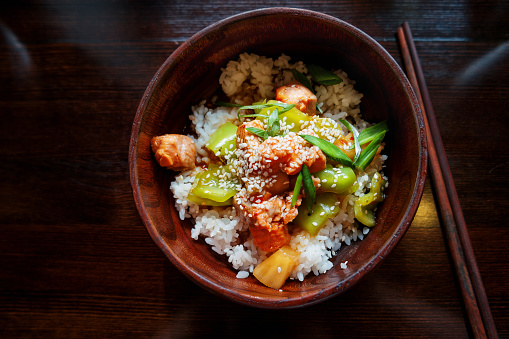
asian salmon

Wean yourself off of expensive and high-fat Asian takeout with this easy-peasy recipe that substitutes nutrient rich cauliflower rice for real rice. The easiest-peasiest part? You can buy already riced cauliflower in the frozen vegetable section of your supermarket. Your job is limited to baking the salmon and sautéing the rice with bean spouts then topping with a wasabi-soy-vinegar sauce and matchstick carrots, English cucumber slices, Nori and sesame seeds. One serving counts as two PowerFuels, two Vegetables and one Extra.

9. Twice Baked Cauliflower Casserole >

cauliflower casserole

Two kinds of creamy melty cheese, tangy Greek yogurt and mashed cooked cauliflower, and you have a twice-baked casserole that will make you think you’re eating cheesy mashed potatoes—the ultimate in comfort food. Heavenly! This delicious dish counts as one PowerFuel and one Vegetable

10. Cilantro Lime Cauliflower Rice >
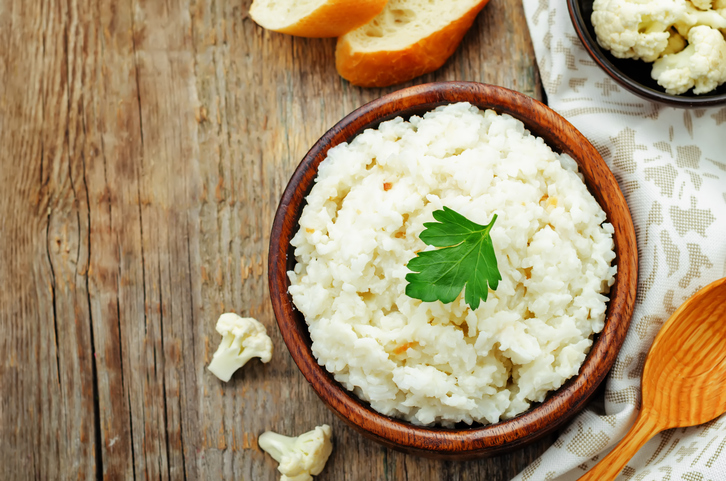
cauliflower rice

You won’t believe how tangy and tasty this recipe is. And so simple: Just cauliflower rice, lime juice, lime zest and cilantro. It’s the perfect side dish for Nutrisystem’s microwavable Southwest Fiesta Melt. Best of all, all of that flavor counts as just one Vegetable on the Nutrisystem program.

11. Cauliflower Crust Breadsticks >
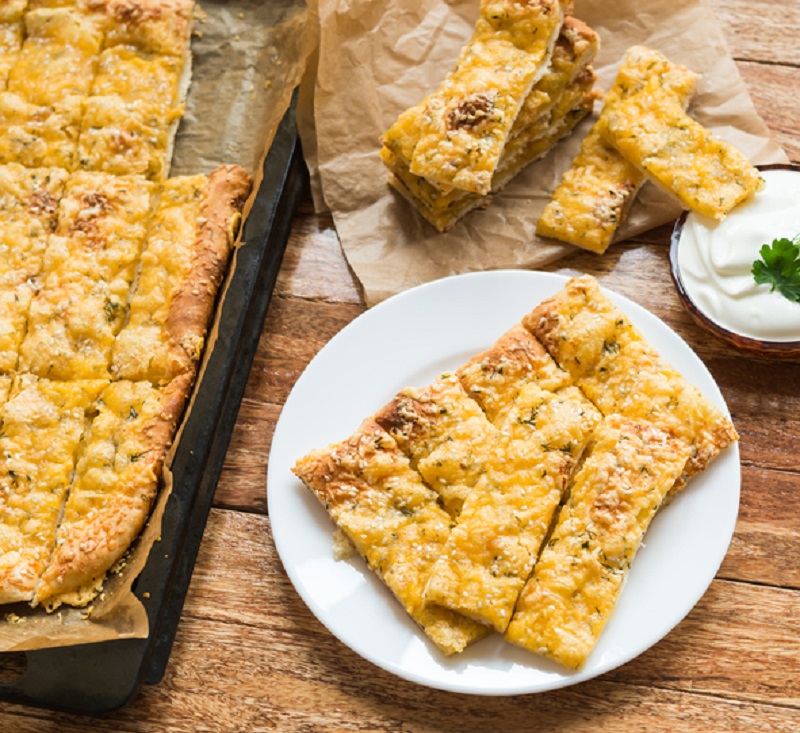
Cauliflower-Crust-Breadsticks

Every bit as flavorful as your favorite pre-meal indulgence, these tasty breadsticks leave the fat, sodium and excess calories behind.

The post 11 Cauliflower Recipes So Good You’ll Forget You’re Eating Veggies appeared first on The Leaf.


from The Leaf https://leaf.nutrisystem.com/cauliflower-recipes-youll-love/
Diet gurus, news stories and social media posts tout the latest hype about the right foods to eat when you’re trying to shed extra pounds. Portion control doesn’t get a lot of sexy headlines, but it is as important to your success as what you consume. That’s because excessive amounts of even healthy foods can load you up with more fat, sugar or carbohydrates than you need. The best way to avoid eating too much is to measure out the right size portion every time.

Here are seven healthy foods you should always measure:

1. NUTS AND NUT BUTTERS

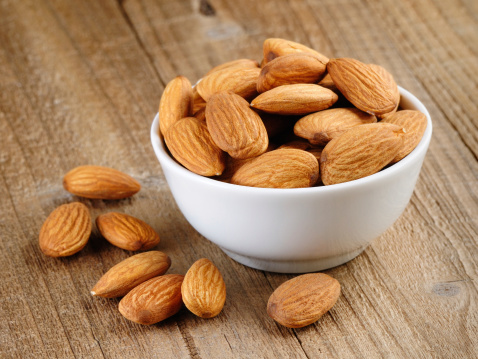
almonds

Peanuts, almonds and other kinds of nuts are handy snacks. Creamy nut butters make convenient sandwich spreads and tasty dips. Both are good sources of non-meat protein and healthy fats, supplying you with energy and helping you feel full long after you’ve eaten.

Nuts, however, are concentrated sources of fats, so it’s very important you measure them since eating more than a serving at a time loads you up on extra calories. The recommended serving of nuts is a half-ounce, or about two tablespoons. Nut butters are even higher in fats, with 15 grams in a one-tablespoon serving.

When shopping for nuts, choose dry-roasted, unsalted varieties so you don’t get too much sodium. Also, look for nut butters that do not have added sugars—beware of those that are “honey” flavored, a clear sign of extra sweeteners.

Nutrisystem Category: PowerFuels
One PowerFuel = Two tablespoons (or half an ounce) dry-roasted peanuts and almonds; one tablespoon peanut or almond butter.

2. OILS

oil

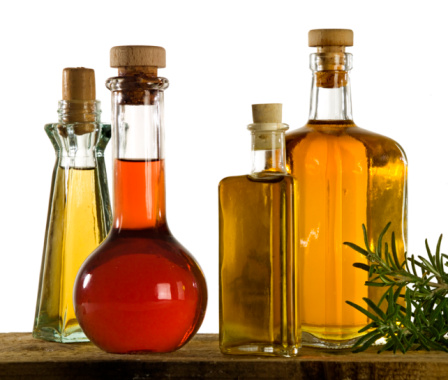
Cooking oils help bring out the flavor of healthy ingredients like vegetables. And they keep foods from sticking to the pan when you’re cooking. The best kinds of oils are high in unsaturated fats, which fill you up and help your body manage its cholesterol levels. Olive, peanut, canola, walnut and avocado oils are all good choices. Flax seed oil provides you with heart-healthy omega-3 fatty acids—it is best used after cooking as heat may transform the fats into unhealthy ones.

But, since even good fats come lots with lots of calories, so it’s very important that you measure them out. A one-teaspoon (one Extra on Nutrisystem) to a one-tablespoon serving (three Extras on Nutrisystem) is enough to combine with vinegar for a salad dressing or to sauté a serving of vegetables.

Nutrisystem Category: Extra
One Extra = One teaspoon

3. WHOLE GRAIN PASTA

pasta

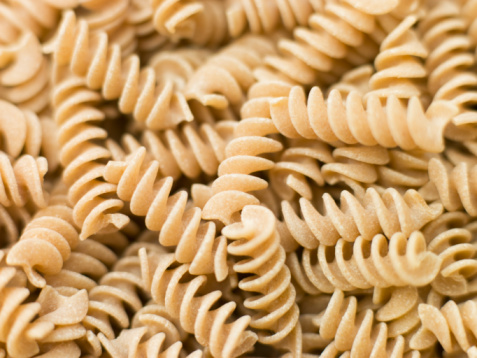
Pasta is high in carbohydrates, but noodles made with whole grains are rich in fiber and even protein. The fiber helps you digest the food steadily, without the sharp spikes and steep drops in your blood sugar that happens when you eat standard noodles. That’s why whole grain versions are categorized as SmartCarbs in the Nutrisystem program.

But even the whole wheat variety brings calories and carbs to the table, so it’s important to avoid overeating it. Measure your pasta until you become a portion pro and no longer need to (Get on the fast track to becoming a portion size guru with this helpful article and video >)

Keep in mind that whole grain pasta is more filling than the standard variety, so you need only about half as much of the healthier noodles to be satisfied. And be sure to flavor your whole grain pasta with sauces that have lots of vegetables (like tomatoes, peppers, and onions) rather than toppings loaded with cream or cheese.

Nutrisystem Category: SmartCarbs
One SmartCarb = ½ cup cooked

4. AVOCADO

avocado

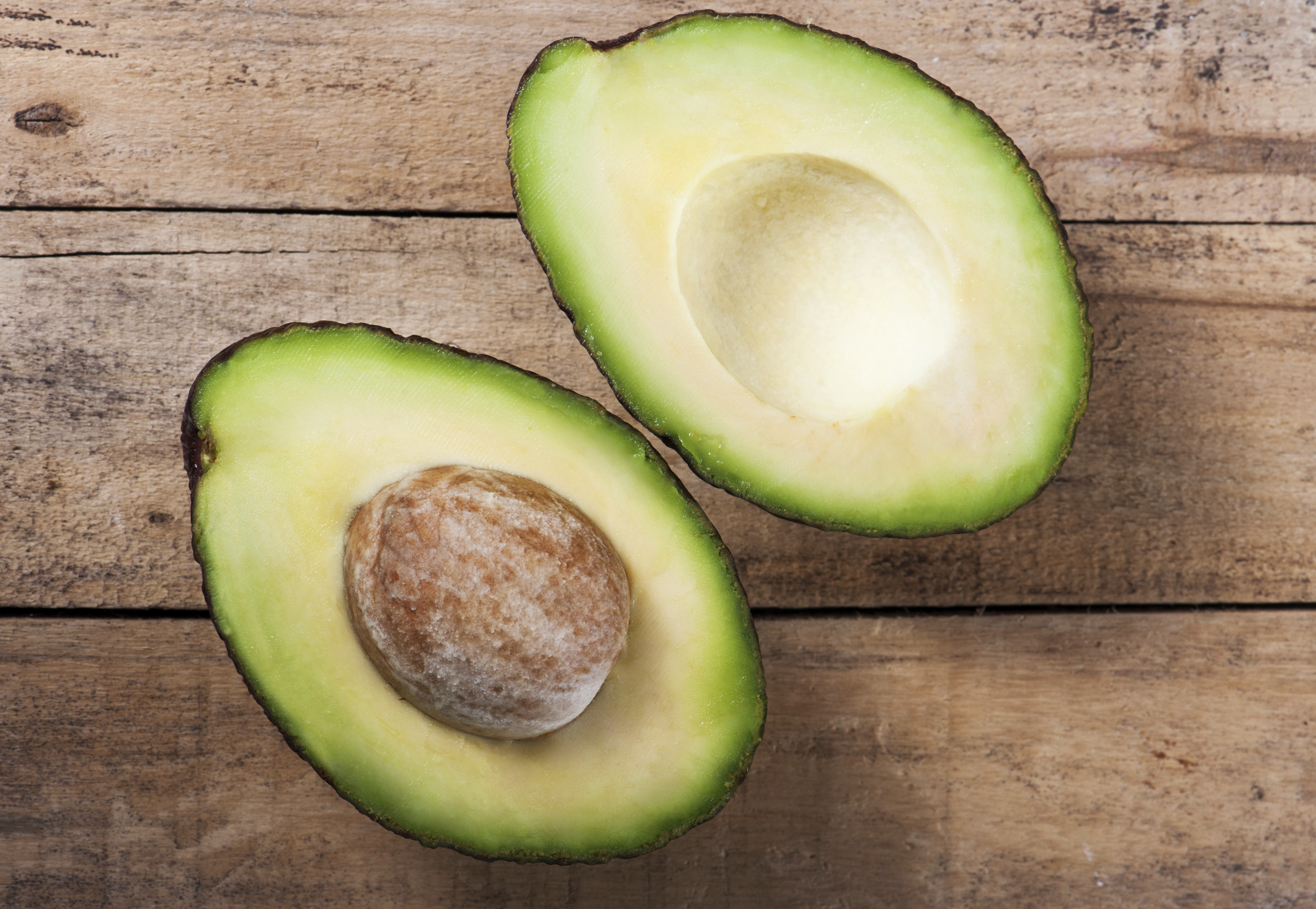
These days, avocados are one of the stars of healthy eating, earning praise for their rich supply of monounsaturated fats. They help you feel full long after eating while protecting your heart by increasing the good cholesterol (HDL) in your body. The creamy texture of avocados makes them a tasty substitute for mayonnaise on sandwiches or sour cream in dips. Avocados also treat you to a dose of healthy fiber.

The good fats in avocados do come with a concentration of calories—you can get nearly 400 in a single fruit, so it’s important to measure out your serving size. On Nutrisystem, you get three Extras each day. One-eighth of an average size fruit or one tablespoon of avocado puree counts as one Extra.

Once you cut into an avocado, it can be tempting to eat all or even half of it. Instead, store the fruit in your refrigerator with the pit in place to help keep it fresh. And be sure to click here to read up on 14 Brilliant Ways to Work Avocado Into Your Diet >

Nutrisystem Category: Extra
One Extra = 1/8 fruit, 1 tablespoon pureed

5. WATERMELON

watermelon

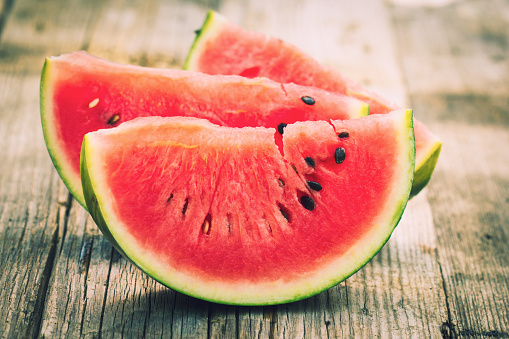
Sweet and juicy watermelon is light and refreshing, and it’s a delicious way to stay hydrated. Plus, it’s loaded with potassium, which helps your body regulate its sodium level. A cup of watermelon also supplies you with around 20 percent of your RDA for vitamins A and C, along with fiber.

All of that flavor and nutrition comes with a lot of sugar, though, which is why watermelon ranks higher on the Glycemic index than most SmartCarbs, and why you should always measure out your serving. There are nearly 10 grams of the sweet stuff in a one-cup serving of watermelon. Wedges of the fruit aren’t easy to measure for servings, so cut it into cubes to be sure you eat no more than one cup at a time.

Nutrisystem Category: SmartCarbs
1 SmartCarb = 1 cup

6. FRUIT JUICE: Apple, grape, orange

juice

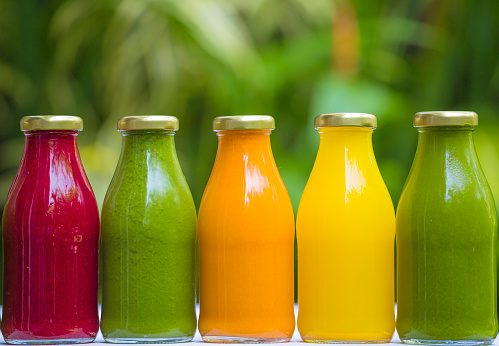
Many of us were raised with a glass of orange or other fruit juice as part of a healthy breakfast. Fresh fruit juices have also become popular with health-conscious eaters, too, as a quick way to get a concentrated dose of nutrients in a convenient drink. Just a half-cup of orange juice, for instance, delivers a whole day’s supply of vitamin C. But unlike whole fruit, juices don’t provide much fiber to help slow your digestion to keep you feeling full. Plus, juices are concentrated sources of sugar, too. To prevent spikes in your blood sugar, limit yourself to a half-cup of fruit juice. If you make your own healthy drinks, add vegetables and water to balance out the fruit. When buying fruit juice, beware of any that are labeled as “fruit drinks” rather than 100 percent juice. These drinks often have added sugar.

Confused about what’s better, smoothies or juices? Click here to find out what our experts have to say >

Nutrisystem Category: SmartCarbs
1 SmartCarb = 1/2 cup

7. SALAD DRESSING

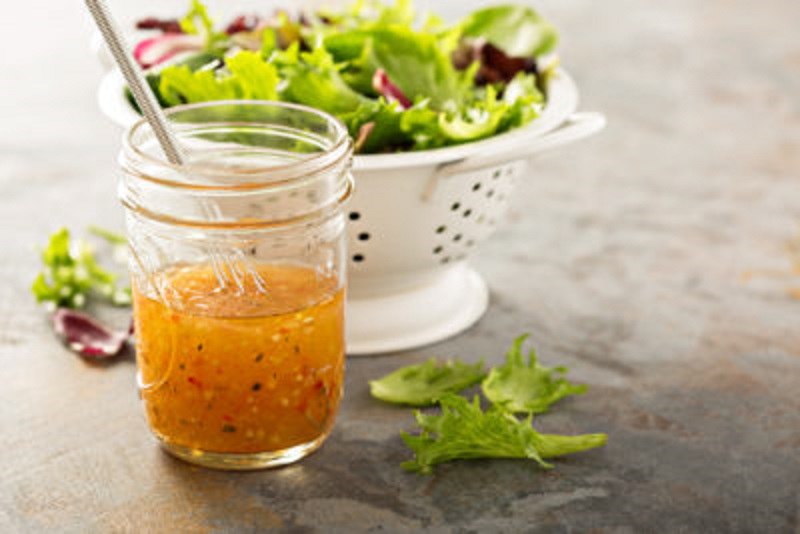
dressing

A bowlful of fresh vegetables is always a healthy choice, so you can enjoy a salad with any meal. And research has shown that a little bit of fat helps your body absorb the potent nutrients in raw veggies, so salad dressing adds more than flavor to the dish.

But drenching the bowl in dressing adds a significant amount of calories to salad. With standard ranch dressing you get excess fats, so make sure you measure. We advise using no more than one teaspoon, but since these count as Extras on the Nutrisystem program, you’re allowed up to three teaspoons (or three Extras). Be wary of fat-free dressings, which may have even more calories, because they’re often loaded with sugar to compensate for the fat. Use no more two tablespoons of fat-free dressing on your salads.

A better idea? Opt for a drizzle of red wine or balsamic vinegar as your salad topper. Or, click here for three delicious, healthier versions of your favorite salad dressings >

Nutrisystem Category: Extra
1 Extra = 1 teaspoon regular, 2 tablespoons fat-free

The post 7 Healthy Foods You Should Always Measure appeared first on The Leaf.


from The Leaf https://leaf.nutrisystem.com/healthy-foods-always-measure/

Vegetarian diet plan for weight loss

Medically reviewed by Dr. Shunmukha Priya, Ph.D. in Food Science and Nutrition

Are you a vegetarian who is intensively looking for a perfect yet easy meal plan to lose weight?
We are glad to tell you that You’ve Arrived!!

The world is rapidly turning towards vegetarianism to follow a healthy lifestyle and protect the environment. Around 18% of the world’s population is identified as vegetarians. [1]

In this blog, we will discuss the benefits and risks of vegetarian diet plans for weight loss, frequently asked questions to dieticians, and more. We will also give you a Free 7-Day Complete Vegetarian Diet Plan for Weight loss by our head nutritionist.
Excited!!
Let’s go…

Introduction

In simple terms, a vegetarian diet is the one that does not include meat, poultry & byproducts of animal slaughter. People adopt vegetarianism for various reasons such as religious beliefs, health issues, environmental causes, respect for sentient life, etc. However, dairy products such as milk, curd, paneer, etc. are considered vegetarian.

The majority of Indians are vegetarians with an estimate of 40% of the Indian population is pure vegetarian, while another 30% of the population consume meat occasionally. [2] [3]

It has also been observed globally that people are rapidly converting to vegetarianism as it is the best way to stay healthy.

Several studies published in the Journal of the American College of Nutrition [4][5] assures that vegetarianism reduces the risk of many serious health issues such as heart diseases, diabetes, PCOS, hypothyroid, etc.

Athletes and bodybuilders are substituting meat for plant-based proteins to reduce the risk of Type 2 diabetes, cancer, kidney disorders, etc.

vegetarian food to lose weight

It often turns out to be a challenging task for a vegetarian to find a perfect weight loss diet plan. Even if one can find a healthy vegetarian diet plan, it contains several food items that are not readily available in local Indian markets.

To solve this problem for you, we reached out to our head nutritionist and came up with a simple & perfect diet chart for vegetarians.

Benefits & Risks of Vegetarian Food

Nothing is white or black; everything is grey, which means everything in this world has pros and cons, and we shouldn’t follow anything blindly. As they say, half knowledge is more dangerous than no knowledge.

Here we address the health benefits and risks attached to a purely vegetarian diet: –

Benefits of a vegetarian lifestyle

1. Weight loss

When you are on a vegetarian diet, your BMI would be lower than that of a non-vegetarian because vegetarian foods are lower in calories than non-veg.

Studies across the globe have shown that a vegetarian diet is high in micronutrient content, low in fat, and comprises approximately 7 to 15% of total energy.[6, 7, 8]

You can easily lose or maintain your weight with a healthy vegetarian diet.

Also Read: Following An Extreme Diet? Beware! It Can Possibly Make You Fatter

2. Healthy Heart

For a healthy heart, you need a healthy plate, and a vegetarian plate is an excellent choice. A veg diet is cholesterol-free and is low in saturated fat, which keeps you at a lower risk of cardiovascular disease.

A vegetarian diet contains dietary fiber, complex carbohydrates, vitamins, minerals, polyunsaturated fatty acids, and phytochemicals. [9]

3. Diabetes prevention and management

You can prevent diabetes with a vegetarian diet as it has lower sugar levels, and it makes your body more responsive to insulin. Diabetes patients are given vegetarian diet plans and superfoods to control, manage, or reverse the disease along with weight loss.

Vegetarian diets have a high content of fiber, antioxidants, and phytochemicals. There is evidence that high consumption of fruits and vegetables can decrease the risk of developing T2DM. [10, 11]

Moreover, whole grains contain the mineral magnesium, which is essential for regulating blood sugar [12]

4. Hypertension 

High Blood Pressure or Hypertension (BP) is a modifiable major lifestyle risk factor. There are a variety of mechanisms proposed by which plant-based nutrition leads to a decrease in blood pressure.

They include improved vasodilation,[13, 14, 15, 16] greater antioxidant content and anti-inflammatory effects,[17, 18, 19, 20, 21, 22, 23, 24] improved insulin sensitivity,[25, 26, 27, 28, 29] decreased blood viscosity,[30, 31] altered baroreceptors,[32] modifications in both the renin-angiotensin,[33, 34, 35, 36] and sympathetic nervous systems[37, 38].

5. Gastrointestinal diseases

Vegetarian Diet rich in soluble and insoluble fibers helps in treating gastrointestinal diseases such as gastrointestinal cancer, gallstones, diverticular disease, and constipation.[39]

6. Healthy skin

As fruits and vegetables are high in fiber, antioxidants & water, they help improve your metabolism, improve your digestion, keep you hydrated, and flush out toxins (detoxification) and other unwanted chemicals from your body. 

Also Read: How To Detox Your Body In 8 Simple Ways!

Demerits of vegetarian diet 

1. Nutritional Deficiency

A wrong composition of the vegetarian diet can cause nutritional deficiency disorders. If you do not focus on getting all essential nutrients from various fruits and vegetables and follow a monotonous vegetarian diet plan, you will lack in vitamin B, vitamin D, iron, protein, etc.

You should follow a balanced diet to have sufficient essential nutrients, foods like pulses, spinach, cashew nuts help in getting iron, whereas foods like rajma, milk, soy milk, seeds help in getting protein.

2. Lower bone mineral density

The elimination of animal products from the diet decreases the intake of some essential nutrients and may influence bone metabolism. However, vegetarian diets can also be equally healthy only if they are well balanced with a variety of foods.

3. Great effort required

You need to put more effort in terms of time and knowledge to select the foods in a vegetarian diet especially when you are eating from out. We advise you to take help from a qualified Nutritionist.

4. Requires supplementation 

If your vegetarian diet is not well balanced, you need regular external supplementation for essential nutrients like vitamin B12, vitamin D, etc.

Also read: Vitamin B12: A Key Player In Keeping The Body Healthy

Simple Vegetarian Diet Plan 

Here’s a free 7-day vegetarian diet plan for weight loss by our Head Dietician, Dr. Sunmukha Priya:-

7 day Vegetarian diet plan for weight loss

5 Simple Tips to Lose Weight by Dieticians

1. Drink warm lemon water

Drinking warm water with a squeeze of lemon early in the morning aids in weight loss. It will rehydrate, detoxify, boost immunity, and improve your digestion. Researches have shown that polyphenol antioxidants found in lemons reduce weight. [8]

2. Magic of black coffee

Black coffee has chlorogenic acid that helps the body keep the glucose absorption down from the food, which helps in weight loss. 

Fitness experts suggest that taking a cup of black coffee before exercise. Coffee has a psychoactive substance called caffeine that helps you energize and make the most out of your workout with less fatigue.

3. Heavy breakfast & light dinner

  • Two important things about breakfast:
    • It should be the heaviest meal of the day, and by heaviest, we don’t mean the weight but the quality. It should be loaded with protein and other nutrients.
    • You should never skip breakfast. 
  • Dinner should be the lightest meal. You should have vegetables and some grains for dinner.

4. Never stay hungry

We want you to learn this by heart – Starvation Is Not Dieting. This is a widespread misconception and the reason people lose weight quickly, but then it brings them a lifetime of problems.

Starvation puts adverse effects on your body like blood pressure drops, slowing heart rate, hypo-tension, prolonged weakness, dehydration, thyroid malfunction, and whatnot! 

Keep healthy snacks or fruits beside you to munch on as soon as you feel hungry.

5. Make it a habit

Fitness is a goal; if you are not fit, but once you are healthy, it should become a part of life. Consistency is the key. Make it a habit to have healthy food with moderate exercise for a life long happiness.

healthy vs unhealthy foods

Foods to Avoid

You become what you eat, and we want you to be as fit as a fiddle, not as fat as a burger. 

Yes, we do have veg burgers, veg pizzas, veg biryani, and to top it all, everyone’s favorite panipuri, momos, french fries, and whatnot but just because it’s “veg,” doesn’t mean it’s healthy.  Here’s a list of food you must avoid to achieve your fitness goals:-

1. Fried food

Who doesn’t love a hot and crispy french fry dipped in sour cream!

Made your mouth water, didn’t I?

But you would also know that this fat and salt loaded junk food is a big trouble for your heart.

All deep or semi fried foods are filled with carbs, fat, cholesterol, and sugar that can really hinder your fitness goal. According to a study, a correlation between processed food and obesity has been found. [9]

2. Packed Fruit Juice

Have you ever turned a fruit juice pack to check the information printed behind it? If not, then do it next time.

You will be surprised to find out that it’s only a small percentage of real fruit juice, and the rest is water, sugar, and preservatives. Stay away from packed and processed juices instead have real fruit; if not, a fresh fruit juice with no or less sugar.

3. Bakery products

I was a sweet tooth, then one day I stepped on a weighing machine and it broke. 

The thought of filling your kitchen with candies, pastries, muffins, cupcakes, and all may make you feel good but each bite is a guilty pleasure and unfulfilling. Bakery products are made with ingredients like sugar, refined flours, oil and creams which are unhealthy for you.

Save yourself from obesity, diabetes, and other diseases, and next time your sweet tooth craves, have some dark chocolates, dry fruits like dates, raisins, or crushed almonds and walnuts with honey.

4. Foods with added sugars

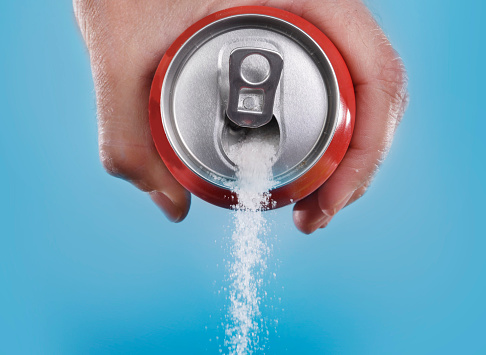
One simple statement, “Sugar is bad for you.” Avoid all products that contain added sugar like cold drinks, ice creams, candies, wafers, frozen yogurt, shakes, etc.

Sugar increases the risk of heart diseases, diabetes, obesity, gum diseases, tooth decay, stress, and much more. Honey is the best natural alternative for sugar.

In Short

It’s not easy to shift from a non-vegetarian diet to a vegetarian diet. This diet change can be gradual. You should make sure that when you are on a vegetarian diet you take supplements like vitamin B12, vitamin D, protein,etc. 

It is essential to make sure the diet incorporates foods from a variety of vegetarian sources.

FAQ’s

1. Can I lose weight by being a vegetarian?

A. Yes, you can lose 1 to 2 kgs in a week with a vegetarian meal plan and moderate exercise.

2. What are the disadvantages of a vegetarian diet?

A. Purely vegetarian diet lacks in various essential nutrients like protein, vitamin B12, iron, zinc, etc. You should always have a balanced diet by including such nutrient rich foods.

3. Do vegetarians get enough protein?

A. Your body should get an average protein intake of 50 grams daily. You can ensure sufficient protein intake by including foods like soy milk, tofu, nuts, lentils in your everyday meal.

4. Aren’t vegetarian diets low in iron? 

A. A monotonous vegetarian meal may lack in various essential nutrients including iron. You can ensure sufficient iron supply by including foods like whole grains, green leafy vegetables, dried fruits, etc in your diet.


The post The Vegetarian Diet Plan: Weight Loss Meal Plan appeared first on Truweight Blog.


from Truweight Blog https://truweight.in/blog/diet-plan-for-weight-loss/the-vegetarian-diet-plan-weight-loss.html

A good night’s sleep is just as important as a good diet and home exercise plan to help you lose weight. Many studies have found a link between lack of sleep and weight gain. One big reason: Your hormones—specifically the ones that regulate hunger. One study, for example, found that sleep-deprived people had higher levels of the appetite-boosting hormone ghrelin and lower levels of leptin, the hormone that tells you when you’re full. You know what happens when those two are out of balance.

Another reason: When you’re tired, your energy levels are likely to make the couch—and not the walking trail—look like the perfect place to be. In fact, a 2008 review study in the journal Obesity found that sleep-deprived people spent more time watching TV than doing something active.

10 Ways Sleep Deprivation Affects Your Health

Read More

Most sleep experts recommend that you maintain a consistent sleep routine: Go to bed and get up at the same time every day, even on the weekends; exercise regularly; get a good dose of sunshine (to set your internal clock); keep it low-key before you hit the hay, and avoid foods and beverages that can interfere with your eight hours.

Here are six foods you should never eat before bed:

1. Anything with Caffeine

You know tea and coffee have this pick-me-up ingredient that can keep you awake at night, but did you know that chocolate and colas do, too? There are a few more sources that might surprise you that should be avoided before bed. For example, some non-cola sodas also have caffeine. One citrus-flavored brand has 41 milligrams per serving—about half the caffeine in a cup of coffee. Energy bars and drinks often rely on caffeine for their boost. And watch out for ice cream and yogurt, particularly those with coffee, mocha or “java,” which is just another word for coffee.

How to Cut Back on Soda

Read More

2. Alcohol

A glass or two of wine may help you fall asleep, but it won’t be restful. According to the National Institute on Alcohol Abuse and Alcoholism, studies have consistently shown that having a drink or two within an hour of bedtime increases wakefulness during the second—and most important—half of the sleep cycle. You’re likely to wake up and not be able to get back to sleep readily, leaving you exhausted (and hungry) the next day. Although that glass might seem like a relaxing way to unwind, keep in mind why it should be avoided before bed.

3. Fatty Foods

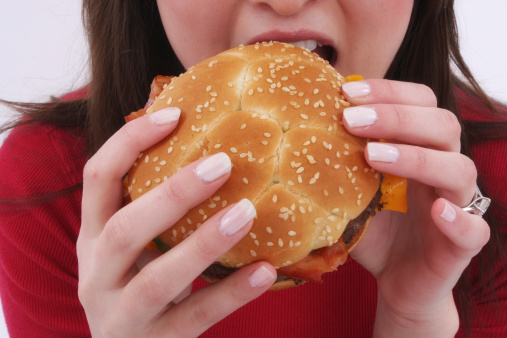
There are three big reasons not to indulge in greasy burgers, fries, and full-fat ice cream during the day. You can guess the first—they’re unhealthy and fattening. But the other two relate to sleep. If you have acid reflux or even just suffer from occasional heartburn, fatty meals can wake you—painfully—many times a night. Fatty foods are harder to digest, so they’re in your digestive system longer, requiring more acid to break them down. Plus, they can contribute to weight gain by hurting your healthy diet and interfering with your sleep. Studies suggest that a high fat diet may decrease your sensitivity to orexin, a chemical that regulates the sleep-wake cycle. Rats on a high fat menu stopped responding effectively to orexin, decreased their physical activity, and gained weight. Add these foods to your list of things to avoid before bed for a better night’s rest.

How to Cut Back on Unhealthy Fats

Read More

4. Spicy Foods

Of course, we all know that spicy foods can lead to indigestion and that can keep us up at night. But that’s only one way that evening enchilada can interfere with our ZZZs. One small study found that a spicy meal (the researchers doused it with Tabasco sauce and mustard) kept their subjects up at night possibly because it increased their body temperatures. A night-time drop in body temperature is suspected to be an essential trigger for sleep.

5. Citrus Fruits

Not only does the acid in citrus trigger heartburn, aromatherapists use the essential oils of citrus fruits as an energizer—not something you want right before bed.

5 Surprising Benefits of Spicy Food

Read More

6. A Big Drink of Anything

Drinking even one glass of water before bed can get you up once—or more frequently—to urinate at night. But make sure you’re well hydrated during the day otherwise what might wake you up is a painful nighttime leg cramp, usually in the calf or feet, caused by dehydration. While hydration is beneficial, avoiding over drinking before bed can help ensure a better night’s sleep.

Looking for healthy late-night snack idea? Try these Late Night Chicken Taquitos! > Then check out these Five Things To Do Tonight To Lose Weight Tomorrow and learn to Sleep Better Tonight To Lose Weight Tomorrow. Two excellent articles to help you learn how to lose fat.

The post 6 Foods You Should Never Eat Before Bed appeared first on The Leaf.


from The Leaf https://leaf.nutrisystem.com/6-foods-you-should-never-eat-before-bed/

If you want to make your Saturday super sweet—and super fancy—have some pineapple. Those yellow rings have been a universal sign of the good life and hospitality since the 1700s, according to Southern Living. They’re also a great way to show yourself (and your health) some love, as the benefits of pineapple are countless.

One cup of pineapple chunks or rings provides more than 100 percent of your daily vitamin C, which won’t just help you fend off colds, but fight fat: A 2006 study from Nutrition & Metabolism found that exercisers who didn’t have enough Vitamin C burned 25 percent less fat during their sweat session compared to those with the full complement of C.

And pineapple can help your post-workout meal go down easier, too: Bromelain, an enzyme found in the fruit, helps with digestion. Best of all, pineapple packs lots of sweetness without blowing your calorie budget: One cup has just 82 calories, according to the United States Department of Agriculture (USDA), and counts as one SmartCarb on Nutrisystem.

Here are four ways to enjoy the benefits of pineapple —and all that sweetness—throughout your Superfood Saturday:

1. After breakfast: In a filling, protein-packed smoothie >

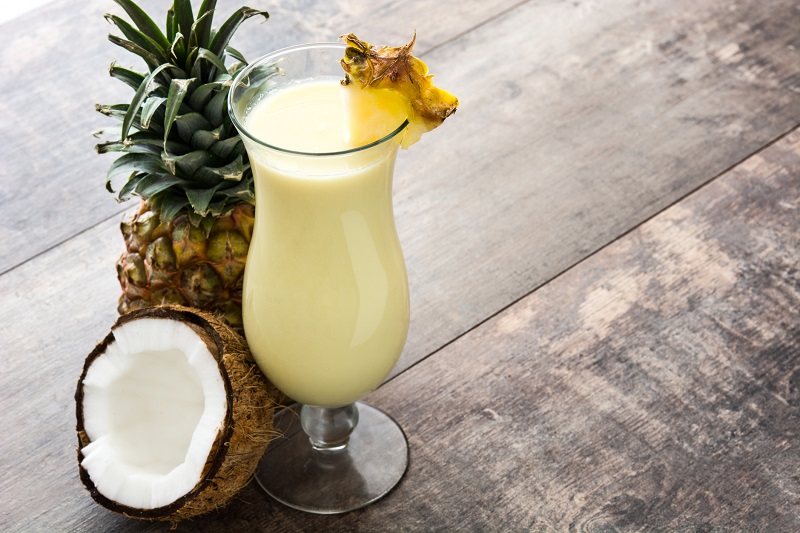
Piña colada

One of the many benefits of pineapple is its versatility when it comes to delicious desserts. Protein is a secret weapon in your war against overeating: It digests slowly, so your gut doesn’t empty too soon, leaving you reaching for a between-meal snack. A vanilla Nutrisystem shake in this simple, sinful Piña Colada smoothie teams up with the sweetness of pineapple to help you build lean muscle and stay on track.

Check out this video to see how to make this sweet, post-breakfast (or anytime!) smoothie to keep you from feeling hungry before lunch: Piña Colada Protein Smoothie >

2. At lunchtime: As an easy, two-ingredient dessert >

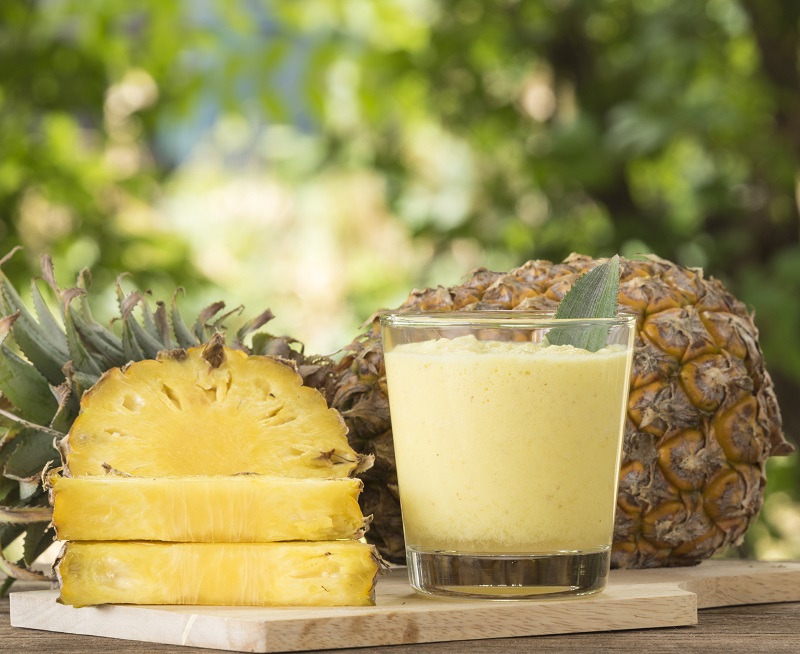
pineapple whip

If you finish lunch and want something sweet, whip it! With just two ingredients—frozen pineapple and unsweetened almond milk—you can have a creamy frozen treat without guilt. So pull out the blender and check out this video to see how to enjoy this tropical treat: 2-Ingredient Pineapple Whip >

3. At snacktime: Cool off (or dream of someplace warmer!) with this chilly treat >

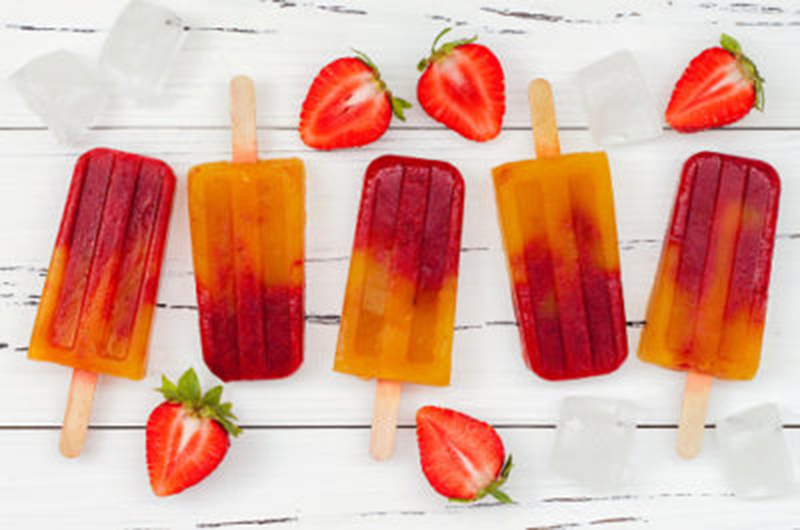
popsicles

Whether you need to cool off from the summertime heat or just want to dream of the tropics to escape a winter day, pineapple is a refreshing way to escape to the beach—even if you can’t leave the house. Whip up a batch of these two-ingredient fruit popsicles for a decadent frozen treat that’s on hand all week for when sweet cravings strike: Strawberry Pineapple Popsicles >

4. For dinner: Go savory—grill your pineapple >

benefits of pineapple

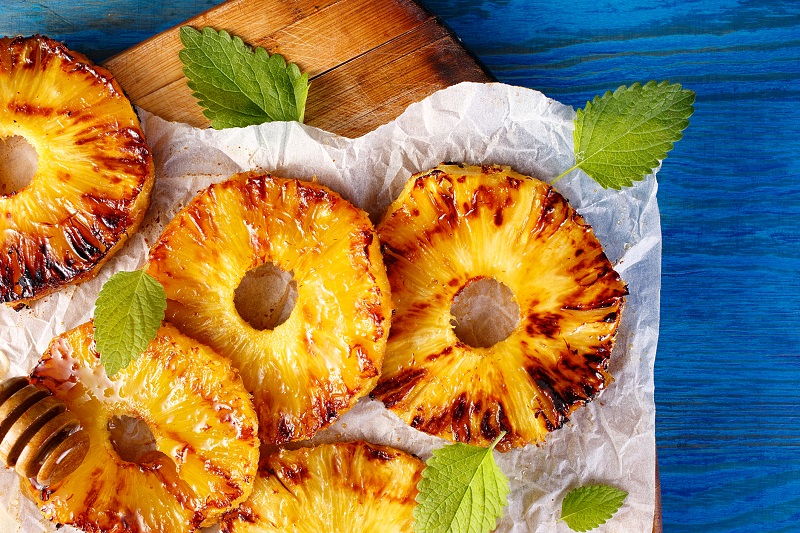
Cooking pineapple—like peaches, watermelon and other fruits—actually makes it even sweeter by carmelizing all those natural sugars. And that’s good with more than just ham: It can add sweetness to meat dishes to take your grilling to a whole other level. Skewer the fruit with onion, bell pepper and skinless chicken breast chunks for a crowd-pleasing barbecue dish you can feel great about. Here’s another recipe you need to try: Pineapple Chicken Kebabs >

The post Superfood Saturday: The Power of Pineapple appeared first on The Leaf.


from The Leaf https://leaf.nutrisystem.com/benefits-of-pineapple/

Different types of diet plan for weight loss

Medically reviewed by Dr. Shunmukha Priya, Ph.D. in Food Science and Nutrition

Obesity is a common health problem today; but do you know what is even worse? It is choosing the right types of diet for weight loss.

With millions of blogs and websites encouraging you to choose this diet or that diet, what do you think is the best for you? Who do you think decides which is the best type of diet for you?

Introduction

Obesity is evidently a major problem in the current period. Even with incredible advances in the medical industry, obesity hasn’t gone down for even 1 percent.

Major diseases like diabetes, high blood pressure and many such chronic issues is a gift from obesity to younger and older generations today.

With million problems comes billion solutions. Weight loss is more of a business than a solution today. Everyday you come across these gimmicks about weight loss and the right type of diets. In fact, there are a lot of people who even fall for them.

It is true that with days the list of different diets to lose weight are increasing rapidly. And so are the fast food centres.

With this manipulative environment, how can one choose the right type of diet and find the best results on them?

It has become hard to figure out the best approach one can go with regard to diet. Especially as a long term solution.

Today, in this article we bring to you a list of 7 different types of diet that are mainly focused on weight loss and healthy living.

Types of Diet

1.  Vegan Diet

Lately, one of the most popular diets that you will come across is vegan diet. As the name says it all, it is a type of vegetarian diet.

In fact, it is an extreme level of vegetarian diet. Not just fish and meat, all the animal products like milk and milk products, and eggs are also excluded in this diet.

Generally, this particular diet is followed for ethical or environmental reasons. It is intended towards restraining animal exploitation or cruelty and not just for health reasons. As right the reason sounds, following this sort of diet, especially for non-vegetarians is a hard task.

As said before, following a vegan diet not only excludes fish and meat but also animal products like milk, egg, honey, casein, whey etc. This in fact is not even a diet, more like change in the way of life and philosophy.

If you are willing to follow this diet, then your staple foods are mostly plant based.

For example: fruits, vegetables, leafy greens, seeds, nuts, legumes, whole grains etc. Since you are excluded from having meat, for protein and vitamin content you need to find alternative products.

Vegan diet not only benefits you in losing weight but also helps your body fight other health conditions. Conditions like diabetes, heart related issues, digestion problems etc can be managed with this particular diet. [1]

Also Read: 7 Main Reasons Why Vegan Diet is Healthy

2. Ketogenic Diet

One of the crash  diets for rapid weight loss is low-carbohydrate and high-fat keto diet. A ketogenic diet comprises low-carbohydrates, moderate-proteins and high-fat divided in certain ratios in the meal.

Ketogenic diet is one of the types of diet that is majorly focussed on weight loss. It is also known to manage medical conditions like epilepsy.

Keto Diet for weight loss

This diet is one of the ways to lose weight rapidly in a few months. It is also recommended for people fighting acne.

Although most effective in terms of losing weight, keto diet cannot be a long term plan. Especially, it is not the right way for healthy living which is a sustainable way for losing weight.

Before you go ahead with this particular diet, it is necessary that you consult your doctor and nutritionist. This is an extreme type of diet which requires strict vigilance.[2]

Also Read: Keto Diet: Not An Ideal Diet For Good Health

3. Mediterranean Diet

One of the topmost in the list of different diets to lose weight is Mediterranean diet. This diet here includes consumption of foods that are available in your region. Mostly plant based but does not completely eliminate meat.

Mediterranean diet also fosters the importance of physical activity and meditation. This diet enables you to replace junk foods with alternative options as per your particular cravings.

As it promotes healthy eating, it becomes inexpensive and also content as you tend to consume the right amount of food.

Mediterranean Diet for healthy weight loss

For a long term healthy living, this can be your go to diet. It is highly beneficial for the ones suffering from mental health like depression and anxiety.

It is also recommended as it is beneficial in reducing the risks of Alzheimer’s and Parkinson’s disease. As a result of healthy eating, your longevity also increases.

With facts, comes the myths. One such myth about Mediterranean diet is that it is expensive. Well! This is definitely untrue. Because, opting for maximum plant based food and especially regional food is always cost effective.

Another such myth is that Mediterranean diet is mostly just food based. As clearly mentioned above, this particular diet also promotes the importance of physical activity and mental health.[3]

Also Read: Why Mediterranean Diet Is One Of The Healthiest In The World

4. Raw Food Diet

Raw Food Diet is a diet regime which predominantly includes consumption of uncooked or raw foods in your daily meals. It does not include anything that is processed.

It is ideally recommended to consume plant based foods in this diet. The maximum number of people following this particular diet are generally vegan.

Raw diet for weight loss

Raw food diet majorly includes vegetables, legumes and fruits. By nature, this diet includes less trans fats and avoids foods that are pasteurized or processed with additives. Raw food diet is less calorific and hence one of the best for rapid weight loss.

Raw food diet helps in managing blood sugar levels, reduces the risks of heart disease, cancer, diabetes and also improves your skin health.

In this type of weight loss diet, since no cooking is allowed, you can go for sprouting of seeds or grains. Juicing of veggies and fruits is also a great approach. Dried fruits that are dehydrated and even blending your foods can be a better way to go with this diet.

Raw food diet may sound easy in terms of food preparation time. But, it is one of the difficult diets in terms of overcoming the cravings and the need for consuming tasty food.

This particular diet is hard to follow for a long term. It can be beneficial for people who want to lose weight quickly.[4]

5. Paleo Diet

In the list of different diets to lose weight, paleo diet is the most ancient one. It is hardly in human practice currently. Paleo Diet is from an era wherein eating foods that came from hunting was the right way of life.

It is believed that with time, the modern practice of eating food has changed so much that the body is unable to adapt to the current food chain.

Paleo Diet

Paleo diet includes foods such as fish, meat, eggs, vegetables, fruits, seeds, nuts, spices etc. Foods that have to be completely avoided in this diet are sugary foods, processed foods, soft drinks, dairy products, grains, legumes, and salt.

Just like Mediterranean diet, the paleo diet also aims at healthy eating for weight loss. Its benefits revolve around weight loss, managing diabetes, heart health and also better appetite management.[5]

Also Read: Paleo Diet for Weight Loss|Work for Indians?

6. Low-Carb Diet

 As the name gives it all away, low-carb diet limits the amount of carbohydrates consumption. It mainly encourages high protein and fat in foods. The primary motive of Low-Carb diet is losing weight.

This type of diet may also come with health benefits like reducing risks of diabetes and metabolic syndrome. Today, there are multiple alternatives for low-carb food products that may aid you to be consistent with the diet.

Low carb diet

Generally, carbohydrates are the macronutrients that provide calories in a diet. Certain fruits, veggies, grains, seeds etc are a natural source of carbohydrates. The limit in consumption of these foods is essential in this type of weight loss diet.

Many food manufacturers add refined carbohydrates like sugar and white flour in processed foods. These foods have to be consumed in limit or even avoided.

Low-carb diets not just help lose weight but also find its place in benefiting your health by reducing the risks of heart related issues.[6]

Also Read: 5 Great Tips for Following the Low Carb Diet

7. Intermittent Fasting

Don’t go by its name. It is definitely not a starving diet! Intermittent fasting diet involves fasting for some period of time in a day.

For example, the time between your dinner and breakfast. You generally do not consume anything between that period and hence that is a fasting.

Performing fasting for some period in a day, helps in digestion of food. It also helps burn a lot more calories when compared to that of other diets. This diet has to be done starting with fasting for a lesser duration. Going overboard at the very first time might harm your health.

intermittent fast for weight loss

How do you think intermittent fasting works? So, for starters, let’s say you get all your energy from the food consumed between morning 9 to evening 6. After 6 in the evening you do not eat anything until the next day 9 in the morning.

The food you consume from 9-6 provides you with energy to spend the next 15 hours. Once all that energy is spent, to stay active for the rest of the time, your body utilizes the energy from the fat stored in your body. Hence results in weight loss.

With a number of diets in the list of different diets to lose weight, there are some which not only concentrate on losing weight but also on your health. It is important to know and understand what works best for you.[7]

Also Read: All What You Should Know About Intermittent Fasting

How To Decide Which Is The Best Type Of Diet For Weight Loss?

When it comes to weight loss, you have a lot of advice and information coming around. May it be from millions of websites, blogs or even magazines and books. But do not fall for all that comes your way. Most of these diets are false approved and are not a long term solution.

We understand your confusions and concerns. But the question is, do you understand that? Weight loss is an art. It requires strict vigilance and collective support from your surroundings. Most importantly, you need to understand your own body.

What you like/dislike? What makes you feel full? And many such questions have to be answered.

Here is what you can do for starters:

  • Consult a nutritionist: First and foremost, involve your nutritionist  in all your discussions and researches. They can give you proper guidance on what is right for you and what is not. 
  • Find alternatives: Consider your needs. Do not restrict yourself from having certain food that is your favorite. Instead, find an alternative. Restricting or forcing yourself could worsen mentally causing more harm to your body.
  • Affordable: Always look at how much you can afford them financially. Looking at your pockets when it comes to health is wrong, they say. But it is important to understand that not everyone is in place to afford everything. Make your budget beforehand.
  • Go for locally available and seasonal foods: Make sure to try diets that go with your locally available foods. This way you are not importing anything from outside which saves you from unwanted expense. Also, you are already aware of these foods around you everyday.
  • Physical Activity: Always include physical activity with your diet. It is important to understand that diet alone cannot help you lose weight or live healthy. Balance in diet and exercise is utmost important.
  • Supplements: Overweight could be the result of deficiency of certain nutrients . Addition of supplements checking with your nutritionist will support your weight loss journey along with the diet.
  • Do not stress: Do not go overboard. Dieting is tricky! If you follow a diet so much so that, if found cheated you might end up feeling guilty. This leads to unwanted stress. So, it is important to take it lite and also enjoy what you like (or find better alternatives).

Facts and myths are always heard and said about. But the man who finds the reason and explanation behind it, makes the best of life.[8]

Conclusion

While we have given 7 types of diets, let us also remind you that these are just a few of the many fishes in the ocean of diets. At the end, what is best for you is to be decided by none other than yourself.

Always remember, a man is his own best friend and so is his adviser. Decide what is important to you and discuss with the ones who know you. Patience is a key to losing weight and in general to all your problems.

At Truweight, we provide you with FREE diet consultation! If you have any confusion on what type of diet best suits or any kind of doubts and questions regarding diets for weight loss, we are just one click away. You have got us!


The post 7 Different Types of Diet for Weight Loss appeared first on Truweight Blog.


from Truweight Blog https://truweight.in/blog/diet-plan-for-weight-loss/different-types-of-diets-for-weight-loss.html

MKRdezign

Contact Form

Name

Email *

Message *

Powered by Blogger.
Javascript DisablePlease Enable Javascript To See All Widget