Latest Post

If you’re anything like us, you’ve got a fridge full of leftovers that could last you till next Thanksgiving. Keep things interesting (and healthy) with these three simple recipes that combine a few holiday staples to create all new dishes you’ll love.

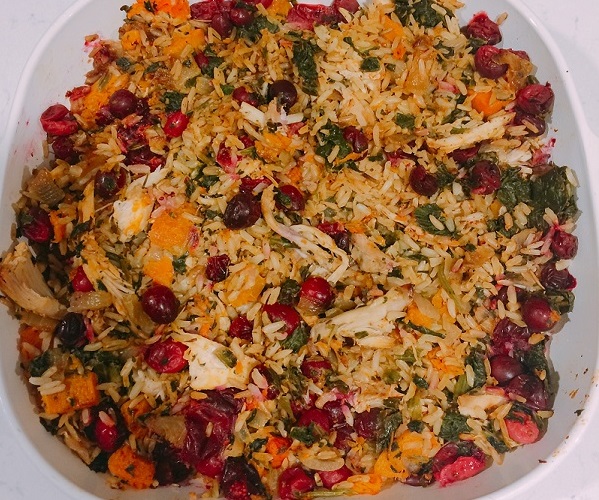
1. Thanksgiving Leftover Casserole

Thanksgiving Leftover Casserole
This Thanksgiving Leftover Casserole is a delicious and healthy hodge-podge of all your favorite leftovers.

2. Thanksgiving Breakfast Cups

thanksgiving
Use your leftover mashed potatoes and a few simple ingredients to create these delicious Thanksgiving Breakfast Cups.

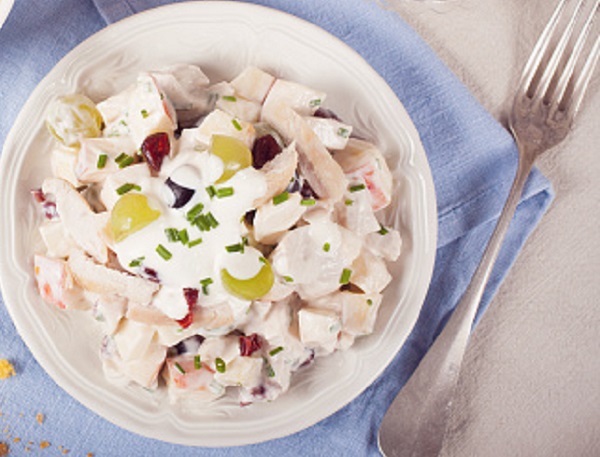
3. Turkey Cranberry Salad

turkey
This Turkey Cranberry Salad combines all the finest flavors of fall. The best part? It’s totally guilt-free!

The post 3 Recipes to Repurpose Your Leftovers appeared first on The Leaf.


from The Leaf https://ift.tt/2r0ov43

Ready or not, here they come…

In case you’ve missed the glaring lights and blaring commercials, it’s official… the holidays are upon us. And Thanksgiving, with all of its food-based traditions, promises to put your weight loss willpower to the test.

According to research from the Calorie Control Council, a typical traditional Thanksgiving dinner can clock in at 3,000 calories. Add to that apps and drinks, and you’ve got yourself a 4,500 calorie meal—that’s more than two times the average daily intake. This same source reports that the average Thanksgiving enthusiast may fill up on close to 230 grams of fat—the fat equivalent of three sticks of butter.

But with a little planning, you can make it through Thanksgiving without putting on more stuffing. Check out these 23 simple strategies sure to help keep the “trim” in your turkey day:

1. Don’t skip breakfast
Don’t “save space” for dinner. We all know what happens when we don’t eat all day—we become ravenous and are more likely to gobble up everything in sight. Plus, when it comes to weight loss, the old adage that breakfast is the most important meal of the day may very well hold true. In a study in the journal Obesity, overweight people who were dieting and ate more calories for breakfast than dinner lost more weight compared with subjects who ate larger evening meals. Make sure to opt for a morning meal that’s high in protein like an egg white veggie omelet or non-fat Greek yogurt with fresh fruit—this will help keep you feeling fuller as you head into the potential diet dark hole that is Thanksgiving dinner.

2. Work in a workout
Be sure to get a good sweat session in before you dive in to dinner. A study published in 2009 in the American Journal of Physiology revealed that vigorous exercise may suppress a key hunger hormone for up to 30 minutes after workouts and can increase the levels of an appetite-suppressing hormone for as long as three hours after exercise. Not convinced? Get this: A 2013 study published in the journal Neuroreport revealed that participants who exercised craved healthier foods, like fiber-rich beans and veggies rather than those packed with refined sugar (think cookies and cakes). The researchers discovered that physical exercise may be linked to reduced activity in the food-responsive reward regions in the brain which, in turn, are linked to a reduced preference for unhealthy high-calorie foods.

3. Don’t pick as you prep
A tiny taste here, a tiny taste there. Before you know it, you’ve consumed a meal’s worth of calories. You don’t normally pick all day long, right? So don’t start now. Eat your regular meals at your regularly scheduled times and limit your splurges to small selections at dinner time. Your waistline will thank you.

4. Bring a helping of healthy
Volunteer to bring a side of roasted veggies, fresh salad or fruit tray, so that if all else fails, you’ve got one healthy option to pile on your plate! Try these delicious Brussels Sprouts with Apple—they’re simple to make and totally guilt-free.

5. Drink water before and during your meal
In a study published in 2015 in the journal Obesity (Silver Springs), participants who drank 500 milliliters of water 30 minutes before a meal lost more weight than those who did not drink up prior to chowing down. But don’t limit your liquids to the time before your meal. Sip water throughout your Thanksgiving meals to keep you feeling fuller and slow down your gobbling.

6. Nix the rolls
Pass on the bread bowl and you could save yourself anywhere from 100 to 200 calories, plus the 100 calories in the butter you would have slathered all over it. With so much food at your disposal, we doubt you’ll even miss it.

7. Use a smaller plate
A study published in 2015 in the Cochrane Database of Systematic Reviews revealed that when people—even the health conscious—were given larger plates, they consistently consumed more food than those using smaller plates. The same held true for non-alcoholic beverages consumption—the larger the glass, the bigger the gulps. Opt for a smaller plate at dinner and chances are good you’ll stick to smaller portions.

8. Veg out

Time and again research confirms that high-fiber foods, which provide volume in the body and take longer to digest, help you feel full longer—on fewer calories. Help yourself to high-fiber foods like fruits and veggies, whole grains and bean dishes. Just don’t fall for dishes drenched in butter or creamy sauces, which can be loaded with calories and fat.

9. Fine-tune your turkey selection
For many, it just wouldn’t be Thanksgiving without the taste of turkey. Just make sure to opt for white meat, and don’t eat the skin. With this simple swap, you could save 7 grams of fat and over 50 calories (for a serving size that’s roughly equivalent to a deck of cards). Might not sound like a lot, but tiny trimmings like these can pile up quickly.

10. Put your fork down between bites
Based on a study published in 2014 in the Journal of Academy of Nutrition and Dietetics, increasing the number of chews during meals can extend the duration of those meals, reduce the speed at which people eat, and lead to less food consumed. Make an effort to put down your fork and chew your food several times before diving in to your next bite. Bonus: You’ll actually taste all of those fabulous flavors when you slow down!

11. Be a ‘Chatty Cathy’
The more you talk, the slower you’ll eat. The slower you eat, the better the chances of your body signaling it is full before you overeat. See #10.

12. Be mindful of extras
Between the gravy, butter and creamy dressings, Thanksgiving add-ons can be total fat traps. Try seasoning your food with spices and herbs, and opt for vinegar-based dressings.

13. Don’t drink your calories
A 12-ounce bottle of pumpkin beer is somewhere in the 200 calorie range. A five ounce glass of spiced apple wine can clock in at 271 calories. Think you’ll save tons of calories avoiding alcohol? Not exactly. A 16-ounce glass of apple cider can cost you almost 230 calories. Wash down your meal with water (see #5), sparkling water, tea or coffee instead and your waistline will thank you.

14. Step away from the table
Once you’ve eaten a normal-sized dinner, kindly remove yourself from the table so you don’t start mindlessly munching. Head to another room in the house or better yet, engage in some good old fashioned family fun (see #15 and #16!).

15. Start an active tradition
Holidays are all about traditions, right? Start a new ritual, like a family football game or a group stroll around the neighborhood. Studies have shown that going for a walk instead of hitting the couch, about 15 minutes after a meal may improve digestion and blood sugar control, and will burn some extra calories. Plus, stepping away from the table for a bit may save you from diving into another pile of potatoes.

16. Focus on the fun
Take the focus off of food and put it back where it belongs—on spending quality time with your loved ones. Bring board games or DVDs. Share in a few rounds of post-dinner charades. Or gather up the troops and hit the local soup kitchen to help serve dinner to the less fortunate. Forget the food—there’s fun to be had!

17. Wait 20 minutes before even considering seconds
Stick to this rule of thumb: If you’re still hungry after 20 minutes (the commonly accepted amount of time it takes for your stomach to send your brain the “I’m stuffed” signal), you can go back for seconds.

18. Ask the hard questions before heading back for more
Before hitting the buffet for a second round, ask yourself if you’re really hungry. Sometimes just seeing a large spread can make us eat more. In fact, in a study published in 2005 in the Journal of Nutrition Education and Behavior, when moviegoers were provided stale popcorn in big buckets, they ate 34 percent more than those given the same stale popcorn in smaller tubs. In the case of fresh popcorn, those given large tubs ate almost 50 percent more than those given medium-sized buckets. If you aren’t just being thrown off by a sizable spread, ask yourself: If I could have seconds of just one dish, which would it be? Then opt for that option only.

19. Skip seconds if you plan on doing dessert
Survey the food scene before you dive in for seconds, and map out a strategy. If grandma’s rhubarb pie is on your radar, don’t stuff your face with more stuffing. If you yearn for candy yams year-round, don’t get chummy with the crumb cake. Decide on one or two indulgences you’d like to try ahead of time, and don’t eat everything in sight before you get to them.

20. Don’t be guilted into gobbling
While it’s nice that aunt so-and-so brought her world-famous pie, that doesn’t mean you have to eat it. If you’re going to enjoy foods you might normally avoid, make sure you do the picking. Feel uncomfortable refusing? Tell your aunt you’re too stuffed but you’ll take it to-go. If you’re lucky, she’ll forget, if you’re not so lucky and she piles on the pie, give a loved one your leftovers.

21. Fill up on fruit for dessert
Remember how we told you to bring healthier dishes (see #4)? A fruit tray is a great option. That way, when everyone else is pigging out on apple pie, you can enjoy some fresh apple slices with a sprinkle of cinnamon.

22. Leave the leftovers
If you can get away with it, leave the doggy bag for the other diners. While one day of indulging won’t destroy your diet, several in a row certainly can. Pass on the extra potatoes and remove all temptation tomorrow.

23. Don’t miss the point–family!
We bet that this time next year you won’t even be able to recall what exactly you ate at Thanksgiving this year. The taste of dessert is fleeting; memories with your family are forever. Take this time, when there is no work or school or real life to worry about, and enjoy the time you have with your loved ones. Cherish the company, not the food.

The post 23 Tips for a Healthier Thanksgiving appeared first on The Leaf.


from The Leaf https://ift.tt/2zmHLNN
Excitement is in the air for pumpkin spice lattes, knee-high boots and autumn leaves. Fall is here. But so is cold and flu season.

We’ve all heard recommendations from the Center of Disease Control (CDC): Wash your hands, don’t share food or drink, and don’t touch your face.

But did you know that what you put on your plate matters, too? That’s right: When it comes to cold and flu season, food really can be your secret weapon.

The Academy of Nutrition and Dietetics recommends the following nutrients for immune boosting benefits: Protein, vitamin A, vitamin C, vitamin E and zinc. Including adequate amounts of healthy fats and protein may also aid in cold prevention.

To make navigating immune-boosting nutrition easy, we’ve listed six foods to stock up on this winter to ensure you get important cold fighting nutrients:

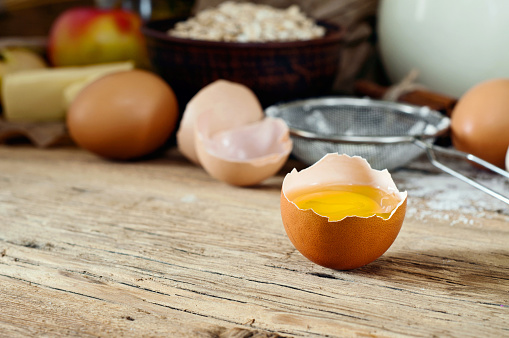
1. Eggs
Eggs are nutritional powerhouses that are easy to incorporate into your daily routine. They’re chock full of protein, and protein is critical to the formation of bacteria and virus fighting antibodies, says Wesley Delbridge, R.D., a spokesperson for the Academy of Nutrition & Dietetics.

And it doesn’t stop there. Eggs are one of the few food sources of vitamin D. Research has shown that vitamin D benefits your immune system, muscle function, heart health, brain development and mood.

Hard boil a dozen eggs on Sunday. Pop them in your bag for a quick mid-morning snack, or slice atop your afternoon salad. One large egg counts as one PowerFuel for those following the Nutrisystem program.

The Mess-Free Way to Separate an Egg

Read More

2. Citrus Fruits
Citrus fruits contain one of most well-known antioxidants, vitamin C. Vitamin C protects you from infection by increasing antibodies and boosting immunity. Studies have not confirmed that vitamin C will prevent colds, but recent research suggests the use of vitamin C may shorten the duration and severity.

Consume whole versions of citrus fruit to limit added sugar (think oranges instead of orange juice). The whole fruit contains loads of fiber that will keep you feeling fuller longer.

The options are colorful and fruitful. Two medium kiwi or mandarin oranges, one medium orange or one cup of papaya or pineapple are wonderful options for those on the Nutrisystem program. Each counts as one SmartCarb; dense in nutrients with a low to medium score on the Glycemic Index.

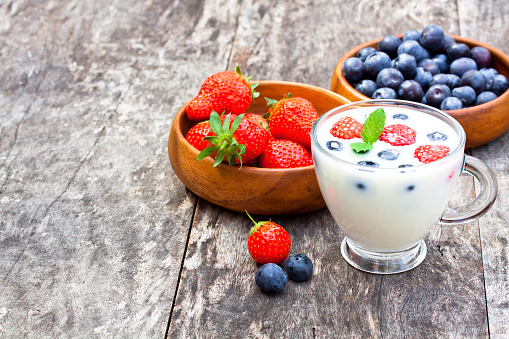
3. Yogurt
Listen to your gut. It may hold the key to avoiding sniffles and fevers as the snow comes rolling in. Your gut contains both good and bad bacteria, and is responsible for more than just digestion. It accounts for 50 percent of the body’s immune response. The good bacteria boosts immunity and decreases cold duration, keeping you healthier and in fighting shape if that cold does come knocking on your door.

Choosing yogurt with live and active cultures will boost gut health with its powerful probiotics. Greek yogurt works well too and adds some additional protein keeping you fuller, longer. Choose plain yogurt and add fresh fruit to limit added sugars. One cup of nonfat yogurt counts as one Powerfuel on the Nutrisystem program.

Yogurt: Greek, Icelandic, Aussie… What’s the Difference?

Read More

4. Sunflower seeds
Sunflower seeds may be small but they are mighty. They pack a double punch with vitamin E and zinc. Vitamin E fights those filthy free radicals roaming around your body that will weaken your immune system leaving you more susceptible to colds and flu.

Zinc is rarely mentioned, but very important to your health. Zinc has the ability to function as an antioxidant and also prevents free radicals from injuring cells. In 2013, researchers found that zinc prevents the immune system from excess inflammation. This gives us some insight as to why zinc lessens the severity and duration of our colds.

Zinc is often found in over-the-counter lozenges, but its best to consume zinc in its food form. Too much zinc can have adverse health effects so don’t overdo it. Rosanne Rust, MS, RDN, LDN of Rust Nutrition recommends adding sunflower seeds to salads or rice dishes for both a zinc and vitamin E boost.

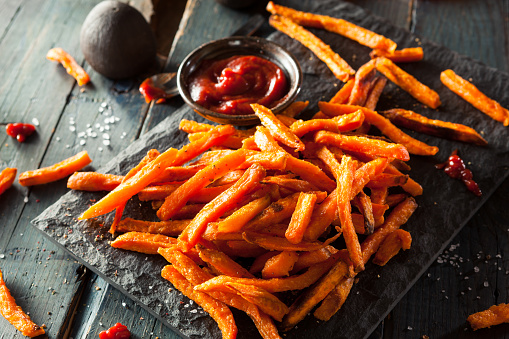
5. Sweet Potatoes
The delicious orange potato has gained popularity over the years. Sweet potato mash, fries, chips and noodles are appearing in recipes and on restaurant menus.

This is good news for cold and flu season since these little sweeties are chock full of vitamin A, a fat soluble vitamin that helps fight off infection. One medium sweet potato provides more than the daily recommendation for vitamin A.

It’s no surprise that most germs invade your body through your eyes, nose, and throat. Vitamin A helps keep these mucus membranes open and healthy, aiding in the fight against cold season. As most vitamins are multifunctional, vitamin A not only prevents germs from entering your body but increases your body’s immune response if they do.

A half cup serving counts as one SmartCarb on the Nutrisystem program.

How to Make Delicious Sweet Potato Fries

Read More

6. Tea
As far back as 2003, studies have confirmed tea’s immune-boosting effects. Researchers believe tea can fight against infection by priming the immune system for potential attacks.

A study published in 2011 by BMC Complimentary & Alternative medicine suggested green tea prevented healthcare workers from contracting the flu. The magic ingredient? Catechins, antioxidants found in green tea. As an extra bonus, catechins have been proven to fight prostate, colorectal and breast cancers.

Chamomile tea has been deemed an immune-boosting herbal tea. The Journal of Agriculture Food Chemistry published a study in 2005 suggesting that chamomile tea boosted antibacterial activity when participants consumed five cups a day.

Unsweetened is a free food for those on the Nutrisystem program. Add some flavor with squeezed lemon, peaches, mint or ginger for a warm treat. Sensitive to caffeine? Herbal teas are naturally caffeine free.

The post Fight the Flu: 6 Foods For a Stronger Immune System appeared first on The Leaf.


from The Leaf https://ift.tt/2RfqGwg

In the first two parts of this series on fasting struggles, we discussed that mental hurdles and habits can get in the way of us reaching our fasting goals.  But it isn’t always mind over matter.  Sometimes we hit some physiological roadblocks.

In this blog post, we’ll discuss the three main reasons why we experience physical fasting side effects.

#1 Too little sodium

For most of our lives we’ve been taught to fear salt.  We’ve heard the warnings of extreme danger from our parents, doctors and the media.  Food manufacturers try to grab our attention in the grocery store aisles by labelling their products “Low in Sodium” in a big, bold graphic on the front of their packaging.

Historically, humans thrived while consuming 4000 to 6000 mg of salt every day.  Our current recommended daily intake is less than 2300 mg, which is a far cry from what we used to consume.  Salt is so critical to our well-being that we’ve gone to war over it.

But, if salt is so critical, why do we try so hard to restrict our intake of it in 2019?  In his ground-breaking book The Salt Fix,  Dr. James DiNicolantonio takes a look at how we got into this point and how salt is actually beneficial for maintaining normal blood pressure levels and preventing type 2 diabetes.

It turns out that not taking enough salt is actually detrimental for our health, not the other way around.  And this is the number one issue we see being the cause of almost all of the physical side effects of fasting from headaches to gout attacks.  In fact, we have observed salt intake to be almost critical to the weight loss efforts of women in particular.

While a healthy intake of a natural salt, like Himalayan salt or Celtic Sea salt, is good for most of us, you should always check with your doctor before making any dietary change.  People who have chronic kidney disease or certain cardiovascular conditions need to be mindful of their sodium intake.

Tips for getting more salt:

  • Be more generous with your salt intake on your eating days when you season your food, and always eat salt to taste
  • Try not to consume refined and processed carbs when you’re not fasting to prevent unwanted water gain because you will quickly lose that water when you resume fasting, which can result in a loss of sodium
  • Try drinking bone broth or sugar-free pickle juice a few times throughout your fasting days until your body adapts to your new lifestyle
  • If you don’t like broth, or can’t find sugar-free pickle juice, then try adding a pinch of salt in a glass of water or on your tongue
  • Drink a cup of broth, sugar-free pickle juice or salty water for every cup of tea or coffee you consume throughout the day

#2 Not enough fluid

We often mistake thirst for hunger.  So, instead of grabbing a glass of water or tea, we grab a cookie or a biscuit.  The food will provide us with some hydration and the feeling temporarily passes.  When we start fasting and cutting out snacks, we don’t replace the hydration we get from the food we consume to quench our thirst with water.

Chances are your cravings on your fasting days and between meals isn’t from food, it’s for fluid.  You may need to set a reminder on your phone to alert you to drink every couple of hours throughout the day.

One of the questions we’re asked the most is “how much water should I drink?”  Everyone wants a magical formula that factors in their total weight, height, age and gender that spews out an answer like 88.432 ounces of water a day.  Unfortunately, that’s not how it works.  I am 5’3” and my husband is 6’4”.  I drink roughly five times the volume of fluid he does.  There is no magical formula, and overhydration is just as dangerous as dehydration.

Drink when you’re thirsty and stop when you’re not.  That’s the bottom line.  Initially, you may want to try to drink a glass of water or tea if you aren’t sure whether you’re hungry of thirsty.  Overtime you won’t need to do that because you’ll be able to distinguish between the two.

Tips for making sure you drink enough:

  • If you think you’re hungry, try drinking a cup of water and waiting 30 minutes to see if the hunger passes or if you were just thirsty
  • Set an alarm on your smart phone or watch to alert you every couple of hours to have something to drink
  • Mineral or carbonated water is particularly good at alleviating hunger pangs

#3 Abstaining from activity 

One of the biggest myths about fasting is that you need to take it easy when you’re fasting, especially if you start to feel tired.  If you start to feel fatigued when you’re in the middle of your fast the surest way to feel that you’ll start to feel absolutely terrible is to rest.  Instead, you need to get up and get moving to get your body burning more fat to provide you with energy.

Burning body fat takes work and our bodies want to conserve as much energy as possible.  When your fuel stores start to run low, we’ll often start to experience feelings of lethargy and hunger.  This is our bodies trying to tell us fuel is low, and we need to eat because it wants to not spend metabolic energy burning body fat.  But if you continue to fast and slightly increase energy demands, then you’ll force your body to start burning body fat and refuelling your system.

You don’t have to go crazy and do a hefty weight training session.  Going for a leisurely walk, joining a yoga class or even cleaning out your closet are all forms of activity that can kick fat burning into gear.

Always listen to your body.  If you feel unwell, break your fast.  There will always be another day to fast.  If you feel like you can go do your regular weight training workout, then do it!  Personally, I have the best weightlifting sessions around 96 hours into my fast.  But, if you feel sluggish, then try to go for a walk or do some gardening.

Tips for moving on your fasting days:

  • Maintain all your regular activities on your fasting days as you do on your eating days
  • If you feel low energy, then scale back on the intensity of your activity but don’t stop moving altogether
  • We understand that some people are very nervous to start fasting especially if on medications, if that is the case then we encourage you to stay active at home doing gardening, chores and other projects around the house
  • If you start to feel sluggish during your fast, then get up and go for a walk for 15 or 20 minutes

Personally, I jump on a mini trampoline called a Rebounder when I don’t feel well during my fasts since a lot of my day involves sitting at a desk.  Every time I start to feel like I need a nap, I jump on the trampoline for 10 or 15 minutes.  It worked so well that I bought a second trampoline so I could have one at the clinic and home.

  • Megan Ramos, Program Director

The post Fasting Basics: What to do if you are struggling to get through your fast? Part 3 appeared first on The Fasting Method.


from The Fasting Method https://ift.tt/37Lr0eM

In the first two parts of this series on fasting struggles, we discussed that mental hurdles and habits can get in the way of us reaching our fasting goals.  But it isn’t always mind over matter.  Sometimes we hit some physiological roadblocks.

In this blog post, we’ll discuss the three main reasons why we experience physical fasting side effects.

#1 Too little sodium

For most of our lives we’ve been taught to fear salt.  We’ve heard the warnings of extreme danger from our parents, doctors and the media.  Food manufacturers try to grab our attention in the grocery store aisles by labelling their products “Low in Sodium” in a big, bold graphic on the front of their packaging.

Historically, humans thrived while consuming 4000 to 6000 mg of salt every day.  Our current recommended daily intake is less than 2300 mg, which is a far cry from what we used to consume.  Salt is so critical to our well-being that we’ve gone to war over it.

But, if salt is so critical, why do we try so hard to restrict our intake of it in 2019?  In his ground-breaking book The Salt Fix,  Dr. James DiNicolantonio takes a look at how we got into this point and how salt is actually beneficial for maintaining normal blood pressure levels and preventing type 2 diabetes.

It turns out that not taking enough salt is actually detrimental for our health, not the other way around.  And this is the number one issue we see being the cause of almost all of the physical side effects of fasting from headaches to gout attacks.  In fact, we have observed salt intake to be almost critical to the weight loss efforts of women in particular.

While a healthy intake of a natural salt, like Himalayan salt or Celtic Sea salt, is good for most of us, you should always check with your doctor before making any dietary change.  People who have chronic kidney disease or certain cardiovascular conditions need to be mindful of their sodium intake.

Tips for getting more salt:

  • Be more generous with your salt intake on your eating days when you season your food, and always eat salt to taste
  • Try not to consume refined and processed carbs when you’re not fasting to prevent unwanted water gain because you will quickly lose that water when you resume fasting, which can result in a loss of sodium
  • Try drinking bone broth or sugar-free pickle juice a few times throughout your fasting days until your body adapts to your new lifestyle
  • If you don’t like broth, or can’t find sugar-free pickle juice, then try adding a pinch of salt in a glass of water or on your tongue
  • Drink a cup of broth, sugar-free pickle juice or salty water for every cup of tea or coffee you consume throughout the day

#2 Not enough fluid

We often mistake thirst for hunger.  So, instead of grabbing a glass of water or tea, we grab a cookie or a biscuit.  The food will provide us with some hydration and the feeling temporarily passes.  When we start fasting and cutting out snacks, we don’t replace the hydration we get from the food we consume to quench our thirst with water.

Chances are your cravings on your fasting days and between meals isn’t from food, it’s for fluid.  You may need to set a reminder on your phone to alert you to drink every couple of hours throughout the day.

One of the questions we’re asked the most is “how much water should I drink?”  Everyone wants a magical formula that factors in their total weight, height, age and gender that spews out an answer like 88.432 ounces of water a day.  Unfortunately, that’s not how it works.  I am 5’3” and my husband is 6’4”.  I drink roughly five times the volume of fluid he does.  There is no magical formula, and overhydration is just as dangerous as dehydration.

Drink when you’re thirsty and stop when you’re not.  That’s the bottom line.  Initially, you may want to try to drink a glass of water or tea if you aren’t sure whether you’re hungry of thirsty.  Overtime you won’t need to do that because you’ll be able to distinguish between the two.

Tips for making sure you drink enough:

  • If you think you’re hungry, try drinking a cup of water and waiting 30 minutes to see if the hunger passes or if you were just thirsty
  • Set an alarm on your smart phone or watch to alert you every couple of hours to have something to drink
  • Mineral or carbonated water is particularly good at alleviating hunger pangs

#3 Abstaining from activity 

One of the biggest myths about fasting is that you need to take it easy when you’re fasting, especially if you start to feel tired.  If you start to feel fatigued when you’re in the middle of your fast the surest way to feel that you’ll start to feel absolutely terrible is to rest.  Instead, you need to get up and get moving to get your body burning more fat to provide you with energy.

Burning body fat takes work and our bodies want to conserve as much energy as possible.  When your fuel stores start to run low, we’ll often start to experience feelings of lethargy and hunger.  This is our bodies trying to tell us fuel is low, and we need to eat because it wants to not spend metabolic energy burning body fat.  But if you continue to fast and slightly increase energy demands, then you’ll force your body to start burning body fat and refuelling your system.

You don’t have to go crazy and do a hefty weight training session.  Going for a leisurely walk, joining a yoga class or even cleaning out your closet are all forms of activity that can kick fat burning into gear.

Always listen to your body.  If you feel unwell, break your fast.  There will always be another day to fast.  If you feel like you can go do your regular weight training workout, then do it!  Personally, I have the best weightlifting sessions around 96 hours into my fast.  But, if you feel sluggish, then try to go for a walk or do some gardening.

Tips for moving on your fasting days:

  • Maintain all your regular activities on your fasting days as you do on your eating days
  • If you feel low energy, then scale back on the intensity of your activity but don’t stop moving altogether
  • We understand that some people are very nervous to start fasting especially if on medications, if that is the case then we encourage you to stay active at home doing gardening, chores and other projects around the house
  • If you start to feel sluggish during your fast, then get up and go for a walk for 15 or 20 minutes

Personally, I jump on a mini trampoline called a Rebounder when I don’t feel well during my fasts since a lot of my day involves sitting at a desk.  Every time I start to feel like I need a nap, I jump on the trampoline for 10 or 15 minutes.  It worked so well that I bought a second trampoline so I could have one at the clinic and home.

  • Megan Ramos, Program Director

The post Fasting Basics: What to do if you are struggling to get through your fast? Part 3 appeared first on The Fasting Method.


from The Fasting Method https://ift.tt/37Lr0eM

benefits of seasonal fruits

Medically reviewed by Darshita Thakkar, Masters in Clinical Nutrition

A healthy and wholesome diet should definitely include fruits. Fruits are fibre-rich, they are the best source of antioxidants and one can find vitamins, minerals and various other micronutrients in fruits.

But how many of us eat fruits according to our environment? We are sure many would not have thought about this.

When we step into a supermarket, our eyes automatically glide to the racks that hold exotic fruits and vegetables. The brilliant colours and huge sizes invoke curiosity and we want to pick a few fruits and vegetables; which we eventually do just to experience the flavour.

fruits and vegetables
Fruits and vegetables

Although it is a good thing to experiment with different types of fruits and vegetables, it is also wise to give more importance to seasonal fruits and vegetables.[1]

In this article, we are going to particularly discuss seasonal fruits and its benefits.

Trust us when we tell this – Mother Nature knows best! There is a reason why we get particular fruits during specific seasons. Eating them during their season has numerous benefits and these are not just subjected to health.

Below are some of the benefits that will make you appreciate seasonal fruits.[2]

1. Availability

Seasonal fruits are available in abundance. It is very nearly impossible to get mangoes during the winter and apples during the summer. When you look for fruits that grow during the particular season, buying them becomes easy since so many vendors will be selling the same fruits.  

2. Flavoursome

Seasonal fruits are rich in flavour. This is because, the fruits that grow during the particular season are harvested only after it is fully ripened and hence, it tastes wonderful.

 Now, when you go for non-seasonal fruits, it is very likely that these were picked before ripening since these have to come from far away land or a different country.

These fruits are ripened during shipping and chemicals are sprayed on them to prevent over-ripening and spoiling. By the time these reach your local grocery store, these fruits lose their flavour and richness.

On the other hand, seasonal fruits that are locally produced are much fresher since they neither require shipping nor chemical spraying.  

3. Nutrition

The biggest disadvantage of non-seasonal fruits is the lack of nutrition. When the fruits are picked even before fully ripening, the nutrients in the fruits are not developed fully since it needs the natural sunlight to develop. By plucking them early, we are keeping them away from the sunlight effectively damaging the nutrients.

Non-seasonal fruits are also genetically modified. This alters the natural composition of the fruits. However, this is not the case with seasonal fruits. One can eat a well-balanced diet when they opt for seasonal fruits.

4. Pocket-friendly

Since seasonal fruits are readily available and do not involve any transportation, they are very affordable.

Whereas non-seasonal fruits would cost you double since they have to be transported and maintained to avoid over-ripening. These costs will be added to the selling price making them very expensive.

5. Supports local farmers

 When you are buying seasonal fruits, you are supporting the local farmers since it is they who majorly produce seasonal fruits. By doing this, you will contribute towards their welfare and strengthen them economically

seasonal fruits
Seasonal fruits

Now that you know the benefits of seasonal fruits, below is the list of fruits available in India according to the various seasons and their benefits.[3]

Summer

Alphonso mango – This mango variety is rich in antioxidants, fibre and micronutrients.

Ice apple – This fruit is extremely cooling and hydrating and usually found in coastal regions.

Black jamuns – It is known for its low glycaemic index hence, people with diabetes can enjoy without any worry. It also contains a good amount of calcium.

Watermelon – This fruit is best on any hot summer day! The water content in this fruit will keep you hydrated during the summer.

Muskmelons – Cantaloupes derive their bright colour from antioxidant beta-carotene which supports overall eye health.

Monsoon

Custard Apple – Rich in antioxidants, vitamin C and Vitamin, it is great for skin and hair.

Litchi – Great for building immunity, rich in fibre and Vitamin C. It often said it to be taken to relieve common cold during monsoon. It is widely used in making jellies and ice creams.

Peach – Loads with vitamin A, B carotene and vitamin C, peach helps protect the skin and improve the vision too.

Cherry – High in potassium and low in sodium, cherries are low in calories and high on antioxidants. It is also great for managing blood pressure.

Winter

Apples – A great source of fibre.

Grapes – Rich in antioxidant.

Pomegranate – Helps battling hypertension by controlling the blood pressure levels in the body.

Oranges – This is the most convenient fruit since it is easy to carry to the workplace. Orange is also rich in Vitamin C.

When we eat nature-friendly fruits, we get benefited the best. Apart from being economical and rich in nutrition, seasonal fruits will also add creativity to your kitchen.

For instance, during summers, you can try mango milkshake, mango smoothies, mango kulfi and even raw mango Sambar or pickle. This will add variety to your plate. Similarly, you can add grapes or pomegranate to your salads during the winter.

Eating different fruits throughout the year will enable you to eat a well-balanced diet without compromising on the nutritional value.

So, the next time you go to your local market, fill your cart with seasonal fruits. They are great for your health, loaded with nutrition and will help you support your local farmers!

FAQ’s

Q: Why are some fruits seasonal?

A: Some fruits are called seasonal fruits because they only grow during a particular season.

Q: Which fruit is available in all season?

A: Banana is available during all the season.

Q: Are bananas a seasonal fruit?

A: No, banana is not a seasonal fruit.

Q: In which season do we get fewer fruits?

A: During autumn we get fewer fruits. 

The post Seasonal Fruits: Nutrition Rich, Budget-Friendly And Delicious appeared first on Truweight Blog.


from Truweight Blog https://ift.tt/2OrmrOV

MKRdezign

Contact Form

Name

Email *

Message *

Powered by Blogger.
Javascript DisablePlease Enable Javascript To See All Widget