Latest Post

Yoga’s health benefits seem endless, making it a great low impact exercise to keep you healthy and lean. Not only does practicing yoga help you drop pounds and build muscles, it can also reduce pain, boost mood, lower blood pressure and encourage sleep.

What makes yoga so effective and simple is the fact that it’s a low impact exercise, manageable for people of all ages and body types—those with different ailments, aches and pains, as well as varying levels of stress or motivation.

Anyone can perform basic yoga poses, even if it requires making minor adjustments. If you are just starting out, don’t push yourself too hard to go deep into your stretches to start. You can work your way there. Yoga should be soothing and nurturing to your body. It definitely shouldn’t hurt.

On the Nutrisystem program, we recommend 30 minutes of physical activity each day. Consider adapting a yoga practice to shed some pounds, take care of your body and create some peace in your life. We know once you give it a try, you will become a believer just like us! There are so many options when it comes to yoga for beginners. It’s as simple as breaking out the yoga mat and running through these yoga videos on The Leaf. Every move has step-by-step instructions on how to execute the low impact exercise.

Seven yoga moves you should try for your low-impact exercise:

1. Butterfly Pose >


For the ultimate hip stretch in a soothing and peaceful move, look no further than the Butterfly Pose. This is a great pose for deep stretching in the hips, thighs, groin and knees. Sink into this simple stretch with feet pressed together and knees pointing out to the sides, creating butterfly wings with your legs. Make it a go-to pose for hitting those areas of your hips that are often overlooked, nurturing fatigued muscles, relieving stress and even potentially reducing pain associated with PMS and menopause! Try it here >

2. Cobra Pose >

Snake into this low-impact exercise to strengthen the shoulders, abdominals and glutes. It can even open and stretch the chest and back. Cobra Pose may help sufferers of asthma and sciatica, provide comfort for overworked and stressed muscles and improve flexibility. Breathe through the elongating and soothing stretch, with care not to overextend your back, which can lead to injury. Try it here >

3. Downward Facing Dog >

This is a classic pose that even non-yogis know and love. It’s a great standby to slip into for a quick midday stretch at the office, an unwinding routine after a long day or post-workout relief. Targeting the back, shoulders, arms, hamstrings and calves, this simple and blissful pose is a finger to toe stretch that has the power to help relax your entire body, calm anxiety, increase energy, soothe digestions, improve your mood and more! Try it here >

4. Cat and Cow Poses >

The cat and cow pose combination is a fabulous stretch to soothe and strengthen the chest, back and neck, while helping to reduce stress and aid in the flow of the digestive system. Performing these poses together is also associated with improved posture over time and lengthening of the spine. Once you get your groove of smoothly transitioning from one pose to the next, you’ll slip into back, neck and chest soothing heaven. Try it here >

5. Chair Pose >

Spending all day in the car… or at a desk? You need a low impact exercise that will undo this burden on your body. Add Chair Pose to the routine. This yoga for beginners move will reactivate those leg muscles without any rapid movements or heavy weights. Just squat and rise to your toes. You’ll better your balance over time, so don’t feel silly if it takes awhile to ace the pose. Try it here >

6. Warrior II >

Welcome a low impact exercise that actually has an impact, because this pose might have you feeling a bit like a warrior. Warrior II is a fantastic way to ignite and stretch all of the muscles in your body. Legs to arms, you’ll definitely feel it. Extend one leg back and bend the other forward, as if performing a lunge. Just remember to keep your knee at a right angle to the floor to avoid straining your joints. Stretch out your arms, and keep your gaze forward. Try it here >

7. Modified Side Plank >

Want to tone your tummy? Modified Side Plank it is! Yoga for beginners is turned on its side with a low impact exercise that targets your belly regions. As the name implies, Modified Side Plank is a pose that requires raising off of the floor and balancing on one side. Our quick video demonstrates it all in less than a minute, but you’ll feel yourself hitting muscles you’ve forgotten you even have. Even if you do crunches all day (a massive strain on your neck by the way), you’re not getting that laser focus on your sides. If you’re targeting a whole muffin top region, you’ll want to get it all! Try it here >*Always consult a doctor before beginning any exercise routine.

The post 7 Low Impact Exercises for a Fitter You appeared first on The Leaf.


from The Leaf https://ift.tt/2s4IWx4

Men don’t eat the way women do. Their nutritional needs are different and they don’t lose weight in the same way. That’s why Nutrisystem has plans designed specifically to help guys become leaner and stronger while satisfying their man-sized appetites. If you’re ready to lose weight, get more energy and enjoy delicious food, keep reading to find out why Nutrisystem for Men is for you!

12 Scientifically Proven Tips for Men’s Weight Loss

Read More

Here are 10 reasons why you need to try Nutrisystem for Men today:

1. Real Food

real food

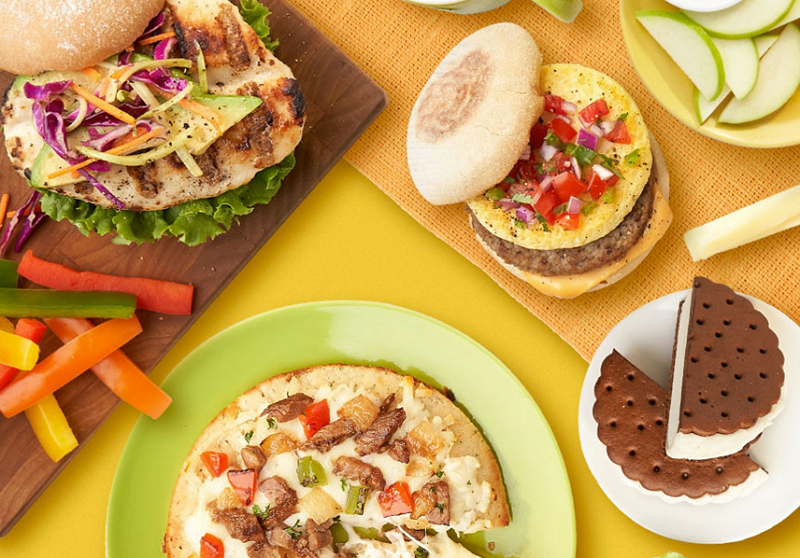
Hamburgers, barbecue chicken, meatballs and so much more. A weight loss plan for guys has to include hearty, filling meals like these. Nutrisystem lets men choose from dozens of delicious breakfasts, lunches, dinners and snacks that are better-for-you versions of the foods they love most.

2. Fast Action

men

Men tend to be goal-oriented in everything they do. With Nutrisystem, you start losing weight in your first week and see meaningful progress toward your goal month after month. In your first seven days, you will follow the Body Reboot week and enjoy specially selected meals to help jumpstart your weight loss.* Going into week two, you will choose from the rest of the meals in your order and can add in some of your favorite grocery additions. By following your Nutrisystem for Men meal plan, you can drop up to 18 pounds and 8 inches overall in your first month.** And that’s just the beginning—you continue to shed extra pounds and get closer to your ideal weight while looking and feeling better each day.

3. Exercise Isn’t Enough

men exercise

Working out helps to tone your muscles and improve your overall health. However, exercise alone won’t get you to your goal. A team of researchers studied overweight men and compared the weight loss results of those who only exercised versus those who only ate healthier. According to their report, published in the American Journal of Men’s Health, study subjects who followed a healthy diet lost significantly more weight than those who strictly exercised. The best results were achieved with a healthy diet and regular activity—exactly what Nutrisystem recommends for men who want to drop extra pounds.

Weight Loss for Men: 10 Reasons Nutrisystem is Your Best Bet

Read More

4. No Hunger

hunger

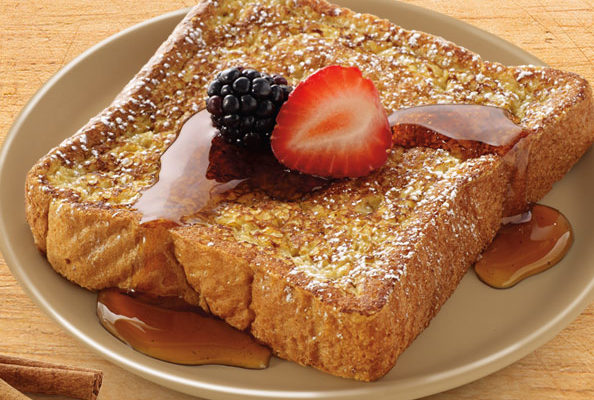
Nutrisystem for Men doesn’t leave you feeling weak from hunger for hours on end. After the Body Reboot week, our meal plan encourages you to eat six times a day. That’s right! You get to snack every day and enjoy all of your favorite treats. These include savory options like our Sweet and Tangy Meat Stick and Honey Mustard Pretzels and sweet selections like the Chocolate Brownie Sundae and Walnut Chocolate Chip Cookies. Whatever flavors you crave, you can satisfy your hunger and stay focused on the demands of your busy day.

5. Protein Power

protein power

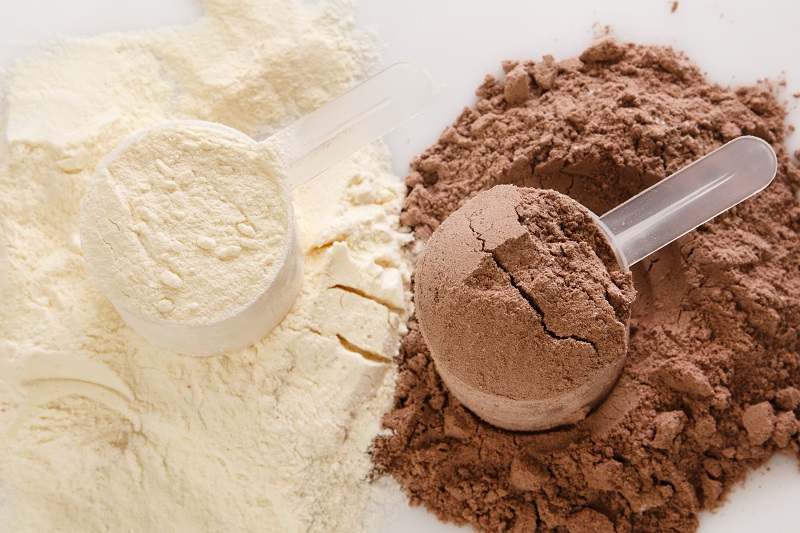
One of the differences in nutritional requirements between men and women is in their protein needs. According to Harvard Health, guys need more of it. The macronutrient directly involved in muscle-building, protein is essential for men to maintain their strength and vitality. That’s why Nutrisystem offers men a wide selection of protein-rich meals and smooth, creamy Nutrisystem Protein and Probiotic shakes that fuel you up with 15 grams of protein. The delicious drinks come in chocolate or vanilla, so you’ll feel like you’re getting a treat while giving your body the protein it demands.

6. All About Convenience

men

The biggest challenge for many guys who want to lose weight and eat healthier can be just having good food around to choose from. When hunger strikes on busy days, stopping for fast-food or picking up takeout meals may feel like the only option available. With Nutrisystem for Men, you get a month’s worth of delicious and satisfying meals and snacks delivered directly to your door. You can decide on the fly what you want to eat and it’s right at your fingertips when you’re hungry.

Weight Loss in Men vs. Women

Read More

7. No Skills Needed

men

You don’t need to learn to cook or spend hours preparing healthy food with Nutrisystem for Men. When you’re hungry for a filling meal like Roasted Turkey Medallions or Lasagna with Meat Sauce, you can have it hot and ready to eat in minutes. No fuss, no mess, no waiting! With our Uniquely Yours Ultimate option, you get our most structured, foolproof plan that doesn’t require any Flex meals in your weekly rotation.

8. Personalized for You

men

Not every guy is alike, so Nutrisystem for Men has introduced plans that are designed specifically for your body type, food preferences and activity goals. The Uniquely Yours and Uniquely Yours Ultimate plans have the option to be personalized. Choosing a personalized plan will guide you to the exact foods that work best for you and keep you feeling satisfied and strong. If you have diabetes, Nutrisystem also has a Diabetes program just for you, too.

Everything You Need to Know About Nutrisystem for Men

Read More

9. Flexibility

men

Want to join your partner or your buddies at a favorite restaurant? You don’t have to pass just because you’re trying to lose weight. Nutrisystem for Men does more than supply you with healthy food to eat at home or at work. As you follow along with the program, you’ll learn about PowerFuels, SmartCarbs and proper portions, so that you can make informed choices wherever you go. We also have an amazing Dining Out Guide right here on The Leaf to help you with ordering.

10. Works for the Pros.

dan marino

Not only do real guys like you lose weight with Nutrisystem for Men, the program has even helped professional athletes, such as a Hall of Famer, former NFL great quarterback Dan Marino. He’s been maintaining his sleek but strong, post-career look for years and enjoying great food that keeps him feeling good, too. Follow his lead and you’re sure to be a winner!

What are you waiting for? Get started with Nutrisystem for Men today! >

Dude Food: The 12 Best Breakfast Foods from Nutrisystem, According to Guys

Read More

*In a study, avg weight loss was 5.4 lbs in the first week. The avg weight for the study participants was 207.3 lbs. Results vary based on starting weight and program adherence.
*Usage of this kit for more than one week in any consecutive 4-week period may lead to health complications and is not recommended. Please be sure to eat all of the food recommended for this program. Failure to follow the program protocol and eat all of the food recommended may involve developing serious health complications. If you have diabetes, are under 18 years of age, are pregnant or a nursing mother, or following a specialized diet for health issues, you may not use this kit. Please consult your physician before purchasing (or beginning) this kit.

**Results vary based on starting weight and program adherence. Average weight lost in a study was 15.5 lbs. and 8 inches total. Inches lost from hips, waist, chest, thighs and arms in first month.

The post 10 Reasons to Try Nutrisystem for Men appeared first on The Leaf.


from The Leaf https://ift.tt/2RCLWgV

When you gained weight, the problem was that you were eating too much. But when you’re trying to lose weight, the problem can sometimes become that you’re not eating enough.

Yes, really: Eating too little can slow your metabolism down. When you take in dramatically less energy than your body needs, your body can slow down how much fuel it uses, meaning you burn off far fewer calories than normal, which can sabotage your weight loss.

And eating too little can have other consequences on how your body functions, too: Certain nutrients, like Vitamins A and D, need to dissolve in dietary fat before being carried to your bloodstream. So if you’re eating too little (specifically, too little fat), your body won’t be able to use those nutrients that you do eat. And the weight you do lose won’t be the kind you’re trying to shed: According to the University of Maryland Medical Center, “extreme” dieting leads to weight loss that is 30 percent from muscle mass, not fat mass.

How to Know if You’re Eating Enough Protein

Read More

So how much is the right amount to eat for healthy weight loss? It depends on your weight. Your body weight determines your “basal metabolic rate,” or BMR, which is a measure of how many calories you’d burn if you did nothing at all—basically, how much energy your body needs simply to function. You can create an approximation of your BMR using the following formulas:

For men: (10 x your weight in kg) + (6.25 x your height in cm) – (5 x your age) + 5
For women: (10 x your weight in kg) + (6.25 x your height in cm) – (5 x your age) – 161

You’ve got to factor in exercise, too. If you exercise almost not at all, multiply your approximate BMR by 1.2. If you exercise 1 to 3 times per week, multiply it by 1.375. The resulting number is an approximation of your “maintenance calories”: That is, if you ate that much, you’d stay at roughly the same weight you are now.

What’s Your Number? BMI Explained

Read More

For effective weight loss, experts recommend several ranges below your personal maintenance level. For those hoping to lose just a little weight, that range is usually around 500 calories below the maintenance number, while for obese individuals, this can rise to just over 1,000 calories below maintenance. Consistently go any lower, though, and you could sabotage your efforts.

Luckily, if you’re on the Nutrisystem program, you can feel confident that you are eating the right balance of nutrients and calories to keep you feeling great while you lose weight. But if you’re guilty of not eating all of your foods, or skipping your add ins like SmartCarbs, PowerFuels and non-starchy veggies, you just might be guilty of eating too little.

Here are six signs that you’re not eating enough:

1. Your weight loss has stalled.


Weight loss plateaus—where you’ve lost weight, and now can’t seem to anymore—can come from lots of different things: After a bit of success with strict tracking and portion control, some dieters start to get comfortable (and a little lazy) about their plan. Others forget to adjust their food intake down to match their new weight—so they’re still eating at a weight loss level for their starting weight, which isn’t as big a deficit for their current weight.

But some just aren’t eating enough. This messes with your hormones—including hunger hormones and thyroid hormones which can contribute to the metabolism slowdown. Consuming a meal that’s slightly higher in carbs and calories can have an effect on your hormones all week: It raise your levels of leptin, a hormone associated with fullness, and lower levels of ghrelin, a hormone associated with hunger. It can also re-balance the thyroid hormones that can contribute to slowing your metabolism.

How to Bust Through a Weight Loss Plateau

Read More

2. You feel sluggish and weak.


Your muscles store carbohydrates inside for fuel as something called glycogen—this fuel is used by your fast-twitch muscle fibers in high-performance situations like picking up something really heavy or sprinting. When you aren’t eating enough, your body can eat through your glycogen stores, which robs your muscle of this high-performance fuel.

Robbed of calories and forced into a “starvation mode,” your body will also start to eat away at muscle for energy rather than attacking your fat stores—that’s why people on extremely low-calorie diets often lose 30 percent of their weight as muscle, and why starvation dieters often look “skinny fat” rather than healthy and slim.

The compound effect is that you’ll feel tired and weak if you’re not eating enough. And don’t think you can just sleep it off: One side effect reported from extremely low-calorie diets is a difficulty falling and staying asleep, a symptom experts associate with uneven blood sugar levels.

6 Reasons You’re Tired All The Time

Read More

3. You’re very, very “hangry.”


That feeling when you can’t control your emotions, snap at people, and feel irrationally angry because you’re so hungry? That’s being “hangry,” and science backs up its existence: When your blood sugar gets low, studies suggest that self-control is one of the first things to go. So you can’t control your emotions, and you snap—you might be losing weight, but you might also lose all your friends.

That loss of self-control also means a loss of impulse control—so when you’re hangry, you may also be susceptible to a big, caloric binge, which would undo all the supposed “good” you did while undereating.

The solution: Eat enough to maintain a balanced blood sugar level. If you’re getting “hangry,” you may be eating too little.

8 Surprising Weight Loss Tips from Health Experts

Read More

4. Your skin’s dry, flaky or itchy.


This one has to do with fat calories: The fatty oils in your diet not only make skin-helping Vitamins like A, D, and E more bio-available, but the fat itself can improve the health of your skin.

And multiple studies have shown that eating the right fats—“healthy” fats like those found in olive oil—can help your body lose weight, specifically around your belly. Dieters in Germany were given yogurt with olive oil added in as a supplement to their normal diet. Even though this yogurt was added as extra calories, the dieters did not gain weight or body fat—and they had more feelings of fullness than those who ate the yogurt without the oil.

How to Eat Your Way to Better Skin

Read More

5. You’re having abnormal diarrhea or constipation.


When your body slows down to conserve energy—because you’re not eating enough—your digestive system can also slow down. Your intestinal lining can become damaged or less effective in this case—meaning that the food you do eat doesn’t get digested correctly. Not only does this cause a deficiency in how many nutrients are absorbed by the body, but it can also cause diarrhea or constipation. And that just makes things worse: When you have diarrhea, your body is depleted of vitamins and minerals.

How to Beat Belly Bloat

Read More

6. Your diet is just really hard to stick to.


When a weight loss plan is sustainable, it creates what you may have heard of as a “lifestyle change”: Successful dieters learn to make better choices that they can continue to make in the long run. It’s that feeling of “I can do this!” that keeps people on track, losing and, eventually, staying healthy.

When you’re not eating enough, though, the weight loss plan can feel like a diet—an impossible struggle of hunger, anger, pain and anguish. That’s a strategy that results in relapse, not lifestyle change. Add in the effects on your metabolism and exercise performance, and the extremely low-calorie diet isn’t even faster or more effective. Eat the right amount, and you may have an easier time staying on plan.

The post 6 Signs You’re Not Eating Enough (Yes, It’s Possible!) appeared first on The Leaf.


from The Leaf https://ift.tt/2NGlEcf

Americans are eating healthy: Just ask them! According to Live Science, a Consumer Reports survey reveals that 90 percent of Americans think their diet is healthy. However, more than 70 percent of Americans are overweight or obese, according to the Centers for Disease Control and Prevention.

So, what gives? For one thing, certain foods can appear healthier than they are. It has become extremely common for products to be marketed as “natural” or “superfood” with little or no regulation. These are marketing terms and they work. In the United Kingdom, more than 60 percent of consumers say they’ve bought a “superfood” because it was marketed that way, says TheGaurdian.com.

Still, many more Americans are eating foods like kale, almonds and quinoa. And you know they’re munching on avocados! So, why are we not losing weight if our diets are “healthy”?

Can You Train Your Brain to Crave Healthy Food?

Read More

What Does “Healthy” Even Mean?

eating healthy

For starters, the definition is always changing. In 2016, the United States Food and Drug Administration (FDA) started redefining how it regulated the word “healthy” on food packaging. According to FoodDive.com, the change started after one company fought back when the FDA said its “healthy” bars had too much fat in them. The fat came from nuts in the bar, not from oils or other sources of fat, the company argued. And the FDA ultimately agreed.

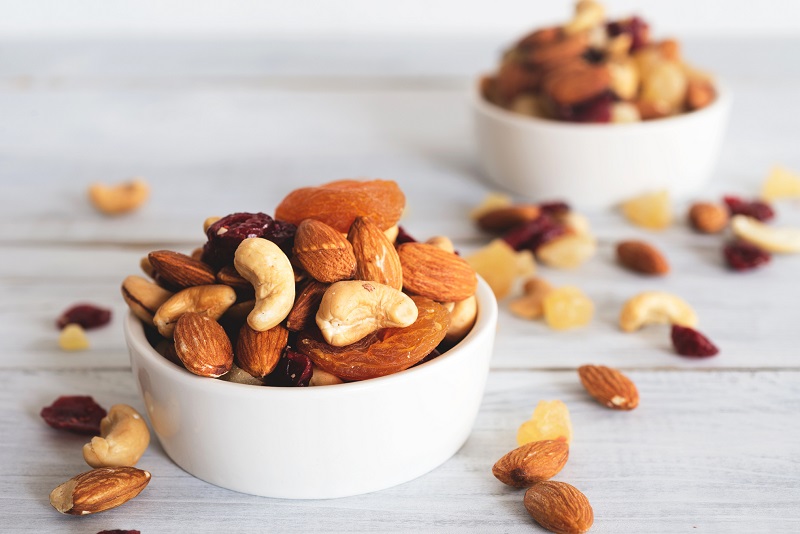
The response helps explain what “healthy” food means for most Americans today: “Real” food that’s rich in nutrients that help fight off disease. These include foods like almonds, which help to fend off belly fat, says the Journal of Nutrition. According to the U.S. National Library of Medicine, other nuts, such as Cashews, are loaded with the types of monounsaturated fat that fueled the “healthy” debate about the bars mentioned earlier. The popular avocado provides potassium, which your body needs for heart function, explains Harvard Health. These nutritious ingredients have become increasingly popular as more people try eating healthy.

“Healthy” Foods and Weight Loss

eating healthy

Just because a food is rich in nutrients, doesn’t mean you can eat it with abandon if your goal is to shed pounds. Even a calorie from a “good,” “healthy” food is a calorie that your body has to burn or store. A half-cup of avocado might be rich in polyunsaturated fats that your body needs. However, according to the United States Department of Agriculture (USDA), it also has 192 calories—a fairly large percentage of many people’s daily diets. And if you snack mindless on almonds, the calories can add up even faster. A cup of those nuts is 828 calories, says the USDA. Adding an extra 800 calories to your diet can be the difference between moving towards your weight loss goal and packing on the pounds—even if it’s 800 calories of “healthy” food.

How to Become a Nutrisystem Portion Pro

Read More

Slim Down with Proper Serving Sizes

eating healthy

With so much portion size confusion, successful weight loss plans like Nutrisystem become even more important for healthy eating. Our plans focus on what healthy foods are and how much you need to eat to lose weight. Nutrisystem diet meals and snacks are loaded with fiber, which aids in digestion and weight loss while helping you feel fuller for longer, says Healthline. They’re also packed with protein, which helps to build and maintain muscle and increase feelings of fullness. All of these foods are doled out in portions that provide the nutrients your body needs while keeping an eye on the calories your weight loss goals require.

If you’re not eating pre-portioned foods, portion control may be a little more difficult. One study, published in the European Journal of Clinical Nutrition, found that Americans guess serving sizes correctly only about half of the time. Study participants estimated snack, cereal, fruit and vegetable serving sizes to be bigger than they actually are. Bread and cold cut serving sizes were estimated to be smaller than they are.

The Nutrisystem Grocery Guide tells you exactly how much of a “healthy” food you can eat—like almonds, avocados, cashews and more. With easy-to-follow PowerFuel and SmartCarb guidelines, you can budget these foods into your daily diet and eat proper portions even after you’ve reached your goal weight.

The Grocery Guide also has your list of maybe the “healthiest” foods of all—non-starchy vegetables. In a study of more than 130,000 people, published in The Lancet, scientists found that eating three or four servings of vegetables per day resulted in the lowest rates of premature death. On the Nutrisystem program, non-starchy veggies are “unlimited” due to their low-calorie count. This means they aren’t just “healthy”—they’re healthy in larger portions that you can enjoy as much as you’d like. So, you can eat healthy, stay satisfied AND lose weight!

What are you waiting for? Get started on your weight loss journey today! > 

Quiz: What’s Your Portion Size IQ?

Read More

The post Eating “Healthy”? The Real Reason You’re Not Losing Weight appeared first on The Leaf.


from The Leaf https://ift.tt/2tv2MWG

Weight loss surgery boon or bane

Weight loss surgery is one of the methods using which people try to shed some excess fat.

Also known as “bariatric surgery”, this surgery is opted by people who cannot indulge in traditional weight loss methods. This method is also chosen by people who want to cut a substantial amount of weight as quickly as possible.

However, it is important to know that losing weight by going under the knife is not as same as losing weight through dieting and exercising.

Table of Content

The purpose of  bariatric surgery is to surgically reduce the size of the stomach. By making the stomach smaller or bypassing it, even eating a little amount of food will make the patient feel full.

A weight loss surgery forces the patient to eat smaller quantities of food and there will be a reduction in their hunger pangs. [1]

There are different types of weight loss surgeries that any obese or overweight person can opt for.

The four common types of weight loss surgeries are:

  • Sleeve Gastrectomy – this surgery involves surgically removing a large part of the stomach and reducing the size to 15% of the original size of the stomach.
  • Duodenal Switch with Biliopancreatic diversion – this form of surgery involves a malabsorptive and a restrictive aspect which causes weight loss and loss of appetite as well.
  • Laparoscopic Adjustable Gastric Banding – this procedure involves the insertion of a LAP-band on the upper portion of the stomach to reduce the size of the organ. This leads to lower food consumption and ultimately weight loss.
  • Roux-en-Y Gastric Bypass – here the stomach is divided into small and large portions, and the small intestines are rearranged to connect to each part of the stomach.

These surgical methods are considered safe. The only difference that will be noticeable is the substantial decrease in food consumption and at times the prevalence of excess skin.

Extra skin after weight loss

Weight loss surgeries have a high success rate of 85% of patients actively losing weight and maintain 50% of the initial weight.[2]

Though this paints a rosy picture, weight loss surgery can do more harm in the future than good. Below we tell you why you should pick this as a last resort.

Post-surgical effect

Those who have undergone weight loss surgery naturally expect that all their problems concerning weight gain are solved. This is not entirely true.

Even though in recent times, surgical practice and the effectiveness of weight loss surgery has increased, there are still chances of having weight gain after abdominal surgery.

People undergoing this procedure should mentally accept that there might still be sudden weight gain even after the surgery.

Patients still need to make certain lifestyle changes and there are chances of developing side effects after surgery in the future. Patients are required to make changes in their daily routine to accommodate the new change better.

Weight loss surgery is not a permanent fix. Patients must rigorously follow a strict diet that has comparatively lesser amounts of food. They should also indulge in exercise daily without which there will be no signs of weight loss even after surgery.[3]

Weight loss surgery and its impact on mental health

Getting this surgery should be considered as a last resort. If there is no other option or means via which weight loss can be achieved, only then should one actively seek out and opt for weight loss surgery. This is a long-term commitment that needs more than simple anticipation.

If the patient is abnormally obese and is showing no signs of weight loss even after strict dietary curriculums and intense regular exercise, then a weight loss surgery can be suggested.

teenagers leads to depression

Many times, patients suffer from depression and discrimination after weight loss surgery. To cope with this negative emotion and vulnerability, they begin ‘stress eating’ or ‘binge eating’. If this happens to be the case, then there will continue to be weight gain even after abdominal surgery.

Making drastic dietary and lifestyle changes almost overnight is very difficult and takes a considerable amount of time to get used to the new changes.

At times, due to weight loss surgery, the patient might have extra skin which may cause a certain amount of discomfort.

The changing of daily habits causes the patient to change their whole system even in social events. Changing social habits may irritate the patient and having difficulty to compromise with the post-surgery lifestyle can cause friends to alienate the patient.

This causes emotional distress and often in teenagers lead to depression and anxiety which need therapeutic assistance.

The patient must spend each day carefully practising health behaviours and dietary methods if he or she wishes to see the optimal effects of weight loss surgery.

It can be safely said that even though the success rate of a weight loss surgery is very high in recent times, it does not remove all the weight woes that might be plaguing a person.

The actual success of the procedure depends on the actions taken by the patient post the surgery. This is not a cheap procedure. It is very expensive and can make life even harder for the patient than it was before without proper after-care.[4]

The need for commitment after surgery

In the end, without hard work and commitment, there will continue to be episodes of sudden weight gain after surgery.

A patient going for weight loss surgery should keep in mind the prime focus of this procedure which is to lose weight.

Keeping a positive attitude and playing the long games will help the patient in coping with the effects and new changes brought by the surgery. [5]

 healthy food regime

Sticking to a new and healthy food regime and the complimentary workout schedule will help any patient get rid of excess weight and help become fit.

Before opting for the surgery, patients should accept the fact that this is not a sure shot success formula. Success depends completely on how readily one can accept the new circumstances and make it a part of their normal lives.

The more actively and positively a patient can accept the terms of a weight loss surgery, the higher his or her rate of weight loss will be.

Conclusion

We strongly recommend trying natural methods like eating a well-balanced diet and exercises for weight loss first before resorting to weight loss surgery.

These days, people as heavy as 80 or 90 kgs opt for weight loss surgery. People who fall in this category can lose weight efficiently just by following a well-balanced diet and exercising every day. This is not only safe and natural but also the weight can be maintained in the long run.

Likewise, people who are morbidly obese can opt for weight loss surgery after consulting their physician. This may help them to commence a healthier lifestyle. However, it is of utmost importance that they maintain a well-balanced diet and exercise regularly to keep the weight off.

Eat healthy foods, be active, drink plenty of water and sleep well! These will definitely help you to achieve your weight loss goals.    

The post Is Weight Loss Surgery An Answer To Your Health Issues? Know All About It Right Here! appeared first on Truweight Blog.


from Truweight Blog https://ift.tt/2u8sfFD

Is your kitchen sabotaging your weight loss? It might be, say a raft of scientific studies. How? You can probably figure it out yourself.  Ice cream calling from the freezer. Cookie jar on the counter. Comfy stools around a kitchen island luring you to linger. Let’s face it, most kitchens are Temptation City. The good news: There are simple kitchen hacks for weight loss that can lead to diet success.

7 High Protein Foods that Aren’t Chicken

Read More

Here are 10 kitchen hacks for weight loss that science—and a little common sense—recommends:

1. Keep a bowl of fruit on the counter.

Fruit Basket

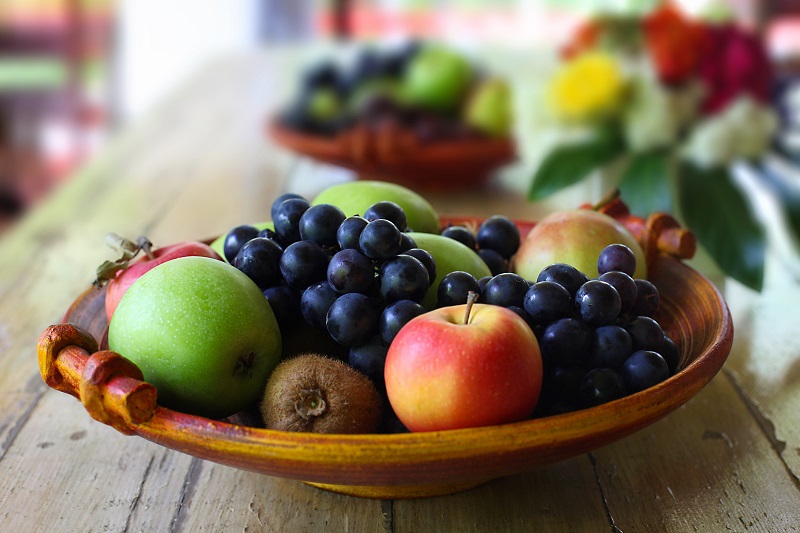
The presence of fruit in plain sight was linked to lower BMI (body mass index, a measure of obesity) in two 2016 studies that looked at real kitchen counters in Syracuse, NY and measured height and weight of home occupants. More important than storing fruit on the counter is what NOT to store there. When candy, cereal, soft drinks and dried fruit were visible on kitchen counters, study participants were found to weigh as much as 30 pounds more than people who kept those foods stashed away. The takeaway: Out of sight, out of mind. The sight and smell of food nearby tends to stimulate the desire to eat, as anyone who has ever smelled cinnamon buns baking at the mall can attest.

2. Get rid of clutter—at home and in your mind.

kitchen clutter

A major no-no when looking for kitchen hacks for weight loss? Messy kitchens. Messy, cluttered rooms—and feeling out of control mentally—may stimulate you to eat more, says a 2016 study published in the journal, Environment and Behavior. The women in the study were asked to do two things: First, to write about a time in their lives when they felt out of control or when they felt totally in control. Second, to taste and rate cookies, cracker, and carrots in one of two kitchen conditions, one that was neat and orderly, and the other that was strewn with dirty dishes, mail, and newspapers. Those who wrote about feeling out of control and experienced the chaotic kitchen ate 103 calories more than those whose minds and kitchen conditions were calmer and more peaceful. So take a few deep breaths when you’re feeling stressed—and clean up that kitchen!

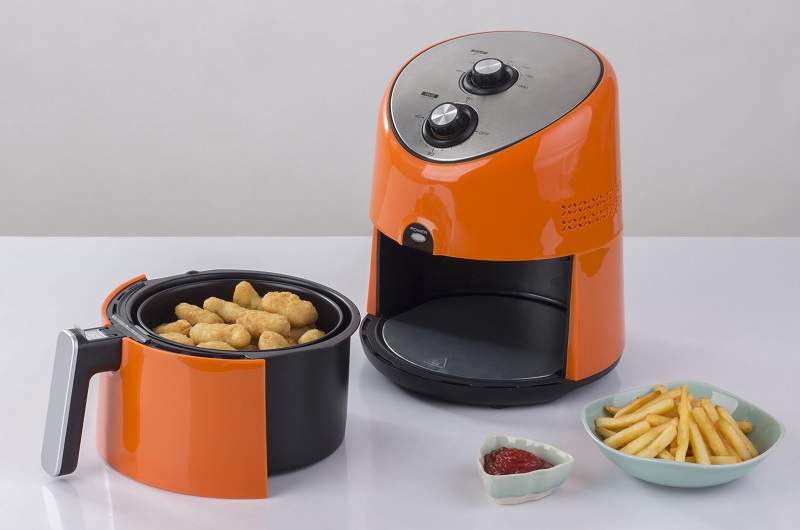
3. Invest in an air fryer.

Air fryer

Here’s one kitchen gadget you’ll want on your counter. Not only can you whip up a meal in less time than traditional methods—and use less oil doing it—studies have found you can cut calorie intake by 70 to 80 percent on average, according to the Cleveland Clinic.  Your “fried” chicken will be crispy on the outside, moist on the inside, and far healthier for you than if you made it the old-fashioned way.

7 All-You-Can-Eat Veggies to Always Keep in Your Kitchen

Read More

4. Go red.

red plate

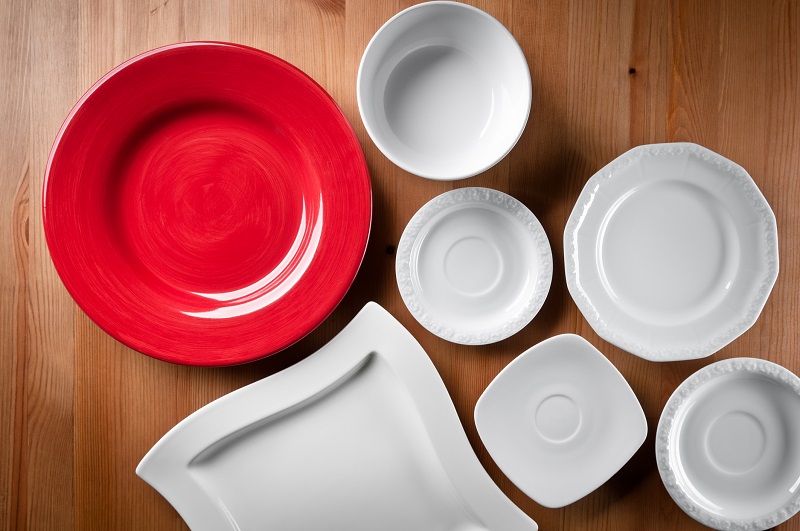
Studies have found that you’re likely to eat less if your plate is red.

According to one 2012 study in the journal Appetite, “red functions as a subtle stop signal” that keeps you from overdoing it. You don’t have to buy an entire set of red dishes—just have one that you use for snacks and meals.

5. When it comes to snacks, think portions.

kitchen hacks for weight loss

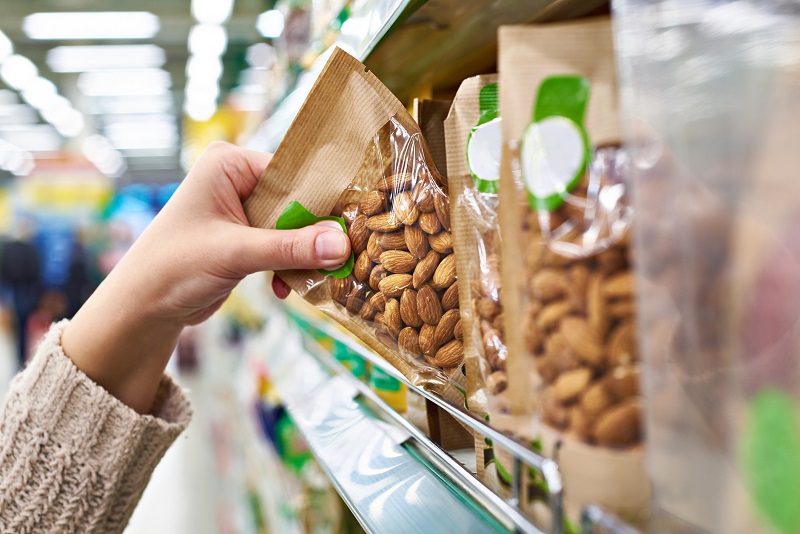
Your Nutrisystem snacks are perfectly portioned as single servings. But what about the snacks you buy at the grocery? You won’t find almonds and pistachios packaged in Nutrisystem sizes. To avoid overdoing your favorite foods, repackage them in appropriate portions—such as two Tablespoons of almond and pistachios, one cup of cut melon, one cup of grapes—so these healthy snacks are as handy as your Nutrisystem foods.

6. Get rid of those stools.

kitchen hacks for weight loss

The kitchen is often the heart of the home so it’s easy to gravitate there, even for tasks that don’t involve eating. Because it’s too tempting to be near food when you’re dieting, avoid working, chatting with family members, or talking on the phone in the kitchen. In fact, unless you’re preparing a meal, the kitchen should be forbidden territory.

10 Helpful Kitchen Tools for Weight Loss


Read More

7. Make meals buffet style.

kitchen hacks for weight loss

Instead of placing food on the table, make up plates in the kitchen. If you put serving dishes on the table, it’s an invitation to “seconds.” Remove plates from the table when you’re finished eating. The further you’re away from food, the less tempting it is, found one 2013 study in the online journal, PLoS One.

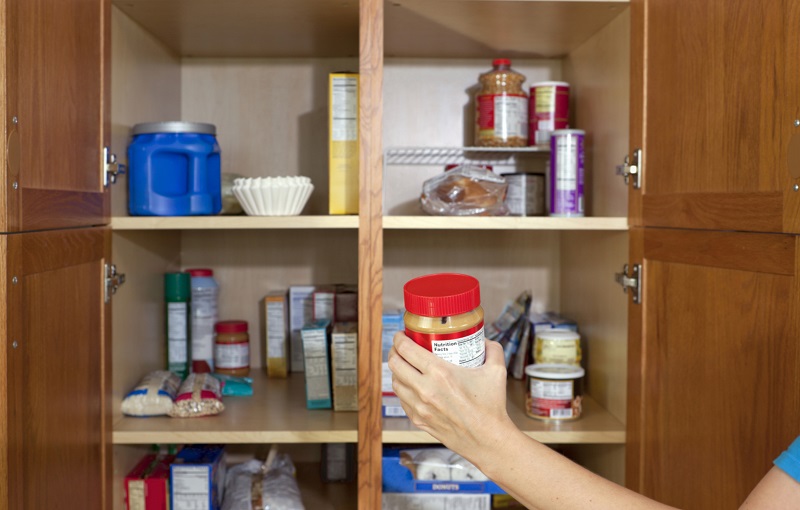
8. Do a diet sweep of your cabinets and freezer.

kitchen hacks for weight loss

Ideally, you should get rid of any foods in your kitchen that you know will be too tempting before you start on your Nutrisystem journey. Besides, you’re going to need the space for your perfectly-balanced, delicious Nutrisystem foods. If throwing away unopened packages of pretzels or tossing frozen pizzas makes you feel wasteful, considering donating what you can to a local food pantry or charity.

9. Keep leftovers under wraps.

kitchen hacks for weight loss

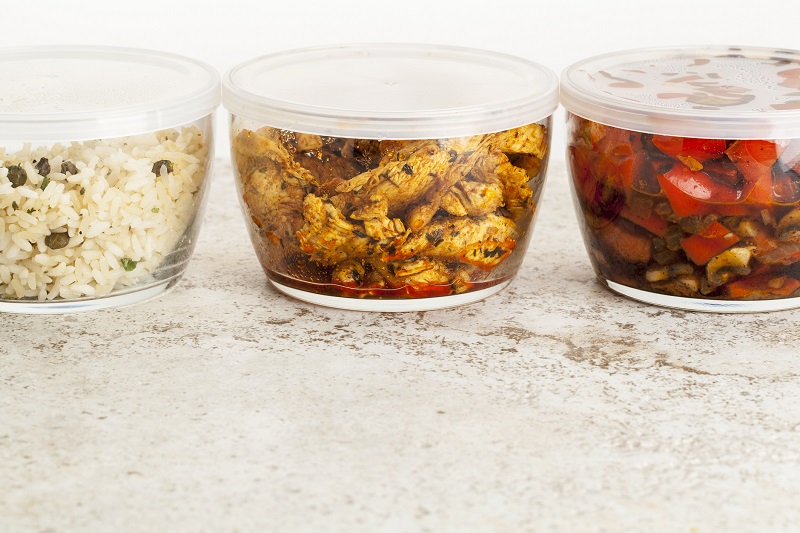
Of all the kitchen hacks for weight loss, this one seems like a no-brainer. You don’t want to open the fridge and have something delectable staring at you if it’s not on your menu for the day. Wrap leftovers in foil or freeze them. If you can’t see it, you’re going to be less tempted to eat it. If you have to have high-calorie or unhealthy foods around for the rest of the family, hide them, too. Repackage them in foil or opaque containers and tuck them where they’re hard to reach.

7 Weekend Weight Loss Blunders to Avoid

Read More

10. Keep your water bottle or glass within view.

kitchen hacks for weight loss

Drinking water every day helps you beat dehydration. It can also help you feel full so you don’t eat as much. So invest in a couple of water bottles or cups you love and keep one by the sink as a friendly reminder to drink your H2O.

Stock up your kitchen with our healthier versions of your favorite meals and snacks! >

The post 10 Kitchen Hacks for a Weight Loss Win appeared first on The Leaf.


from The Leaf https://ift.tt/30tdSYh

MKRdezign

Contact Form

Name

Email *

Message *

Powered by Blogger.
Javascript DisablePlease Enable Javascript To See All Widget