Latest Post

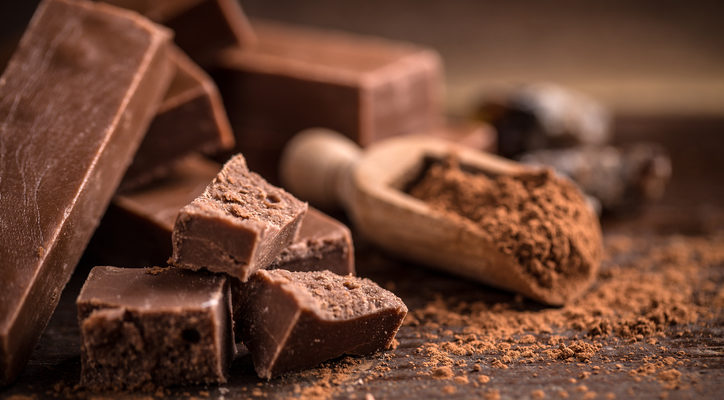
There are lots of reasons to love chocolate. If you’re like most “chocoholics,” you probably don’t need any more justification to indulge. But in case you were wondering if there’s anything sweet about chocolate besides its taste, the answer is yes. Chocolate is a plant food (yay!) made from the bean of the cacao plant. It’s full of health-protecting antioxidants. Research suggests that chocolate―the dark kind, in particular―may be chockfull of all kinds of physical, mental and emotional health benefits. We’ve included 14 of those fabulous benefits below.

But before you go chowing down on the nearest chocolate bar, keep this in mind: Not all chocolates are created equal. While the chocolate you know and love is also full of fat and sugar, choosing the healthiest version—dark chocolate with a minimum of 65 percent cacao—can be a smart snack choice. Dark chocolates have a higher concentration of body-boosting antioxidants than milk chocolate. They also typically contain fewer added sugars and unhealthy fats. So a good rule of thumb is: the darker, the better. Opt for less-processed options containing a minimum of 65 percent cacao, and don’t overindulge. The jury is still out on the exact amount of dark chocolate needed to reap the benefits, but we all know what too much indulging can lead to. Shoot for a maximum of one to two ounces a day.

On the Nutrisystem program? You can still have your chocolate and eat it, too! Just limit yourself to a maximum of 2 dark chocolate minis (or about ½ ounce) a day, and be sure to count these as three Extras.

1. It may lower cholesterol.

Cocoa powder is rich in polyphenols, a large class of chemical compounds also found in fruits, veggies, tea and plants. A study in the Journal of Nutrition suggests that the polyphenolic substances in cocoa powder may help reduce LDL, otherwise known as the “bad cholesterol.” These substances may also suppress oxidized LDL―particularly good news since oxidized LDL can clog blood vessels and cause all kinds of health complications. Just as sweet? The study also suggests that these compounds can cause an increase in the “good cholesterol,” HDL, which may be protective against heart disease. Although exciting, many of the studies on chocolate and cholesterol are short-term, so more long-term studies are needed.

Cholesterol: Everything You Need to Know

Read More

2. It could help keep you sharp.

Feeling forgetful? Grab a piece of chocolate! The cocoa in chocolate is packed with flavanols, naturally occurring compounds also found in some fruits, tea and red wine, which have antioxidant properties and may be protective against cognitive decline. Research in the American Heart Association’s Hypertension journal demonstrated that elderly people who drank a lot of powdered cocoa drinks had significantly higher overall cognitive scores than those drinking lower levels.

3. It could keep you heart-healthy.

Perhaps one of the sweetest things about chocolate is its potential role in heart disease prevention. In an analysis of seven studies exploring the relationship between chocolate and cardiovascular health that involved more than 114,000 people from the United States, Germany, Japan, the Netherlands, and Sweden, British researchers discovered that those who ate more chocolate lowered their risk for heart disease significantly. In fact, people who ate the most chocolate weekly had a 37 percent lower risk of any heart disease than those who ate the least amounts of dark chocolate. Researchers contend that the heart-healthy benefits of chocolate may be due to flavonoids, antioxidant compounds that increase the elasticity of veins and arteries.
Top 7 Foods for a Healthier Heart

Read More

4. It may protect against stroke.

Although more studies are needed on the optimal quantities and types of chocolate, existing research suggests that eating chocolate might help reduce stroke risk. In a study by Swedish researchers, women who ate about two candy bars per week had a 20 percent lower stroke risk. This study echoes findings from earlier research, which found that people who ate more chocolate were 30 percent less likely to have a stroke.

5. Dark chocolate can calm cravings.

Whether you’re craving something sweet, fatty or savory, we’ve got your solution―dark chocolate! A 2011 study published in the journal Nutrition and Diabetes found that dark chocolate promotes feelings of fullness, reduces a variety of food cravings, and can even lower overall energy intake compared with milk chocolate.
Craving Chocolate? 7 Snack Hacks

Read More

6. It makes you happy.

You already know you’re happy when chocolate’s involved, but now there’s science to back you up! According to a study published in the Journal of Psychopharmacology, those who drank one polyphenol-rich chocolate drink daily (about 1.5 ounces of dark chocolate) reported feeling calmer and more content than those who did not. Researchers contend that the compounds in cocoa can stimulate activity in the brain regions associated with pleasure and reward and boost brain serotonin, a hormone believed to have antidepressant effects.

7. It may lower blood pressure.

We already know that the flavanols found in cocoa have antioxidant properties. As it turns out, these powerful compounds may also help lower blood pressure, improve blood flow to the brain and heart, and make blood platelets less sticky and able to clot. A Harvard study that analyzed 24 chocolate studies involving 1,106 people found that dark chocolate containing at least 50-70 percent cocoa lowered blood pressure in all participants, but most markedly in those with hypertension.

5 Ways to Reduce Risk of High Blood Pressure

Read More

8. It might help you see.

The flavanols in dark chocolate may be to thank for yet another health benefit. Researchers from the University of Reading in England tested the eyesight of 30 healthy adults after they ate white and dark chocolates and found that participants scored better on vision tests after consuming the dark chocolate. Given that dark chocolate has a much higher flavanol content, the researchers concluded that these compounds may be responsible for improving blood flow to the retina.

9. It might help you live longer.

Not only might chocolate add some joy to your life, it might also help extend it! In a Harvard University study, researchers compared men who ate chocolate with those who didn’t, and found that the chocolate-eaters lived one year longer. More research is needed to help determine the exact role chocolate plays in this capacity.
Eating Healthy? The Real Reason You’re Not Losing Weight

Read More

10. It promotes youthful arteries.

A 2016 study of 508 people participating in the Maine-Syracuse Longitudinal Study at the University of Maine found that those who ate chocolate regularly—at least weekly—had less arterial stiffness than those who ate it infrequently or not at all. Arterial elasticity can benefit both your heart and your head. The stiffer your arteries, the harder your heart has to work to pump your blood, which can lead to high blood pressure. And if those arteries are clogged as well as stiff, you run a higher risk of heart attack or stroke. That can be caused when a piece of plaque—the hardened “barnacle” of fat and other debris that clogs your arteries—breaks off and your arteries can’t expand to allow blood flow around it. That kind of log jam can stop the flow of oxygenated blood to your heart and brain, leading to heart attack and stroke. Supple flexible arteries may also help you maintain your youthful brain power. In another study from the same group of researchers, chocoholics also had better cognitive function, as measured by several tests measuring memory and other cognitive abilities.

11. It may help prevent cancer.

At least in a test tube, a number of studies have found that natural cocoa powder, insanely rich in antioxidants called procyanadins and flavanols, can stop the growth of cancers including those occurring in the breast and ovaries. In some cases, a solution of the cocoa powder turned off the genes involved in promoting cell growth. In other cases, including a 2016 study published in the journal Biomedical Pharmacotherapy, the procyanadins in cocoa powder caused ovarian cancer cells to die before they had a chance to multiply and spread.

10 Nutrisystem-Approved Foods to Lose Belly Fat

Read More

12. It builds athletic endurance.

Dark chocolate can help you go that extra mile, a new study from London’s Kingston University says. A substance in chocolate, epicatechin, a type of flavanol, helps up the levels of nitric oxide in your body. That helps dilate your blood vessels and reduces the amount of oxygen your body needs to use to keep going. The result: You can go longer. When the researchers switched out one of the daily snacks of a small group of amateur cyclists with about 1.4 ounces of chocolate, they used less oxygen as they pedaled than a similar group that didn’t eat chocolate.

13. It protects unborn babies.

Eating chocolate may help you nourish your baby in the womb. That was the finding from a study by researchers at the Universitie Lavale Quebec City in Canada presented last winter at a meeting of the Society for Maternal-Fetal Medicine in Atlanta. The women who ate about an ounce of chocolate every day for 12 weeks had increase blood flow in the uterus, placenta and in their fetuses, which can help both babies and the placenta that nourishes them to thrive.

15 Decadent Recipes for Chocolate Lovers

Read More

14. Um, hello…It’s delicious!

You don’t need any scientific evidence to confirm this: melt it, freeze it, sprinkle it, blend it…. chocolate is tasty every way you try it! Just make sure to enjoy it in moderation, and always opt for dark over milk chocolate to reap the sweetest benefits!

The post It’s World Chocolate Day! 14 Reasons to Have (A Little!) Chocolate Today appeared first on The Leaf.


from The Leaf https://leaf.nutrisystem.com/unexpected-ways-chocolate-improves-your-health/
We all feel the pinch when it comes to food prices these days. According to a recent Harris Poll survey (covered by CNBC), 90% of Americans are concerned about rising food costs.  

“Groceries have become the No. 1 concern for Americans,” says Harris Poll manager, Abbey Lunney in response to the survey. 

The most recent Consumer Price Index showed an 8.6% increase in all consumer prices, compared to a year ago. A further breakdown of this data reveals rising costs for both “food at home” and “food away from home” by 12% and 7.5%, respectively, in the past year.  

One thing’s for sure- we’re all looking for ways to ease the burden of rising costs of goods, especially for life’s essentials, like groceries.  

Keep reading for a registered dietitian’s top money-saving food shopping tips. 

Seasonal Produce

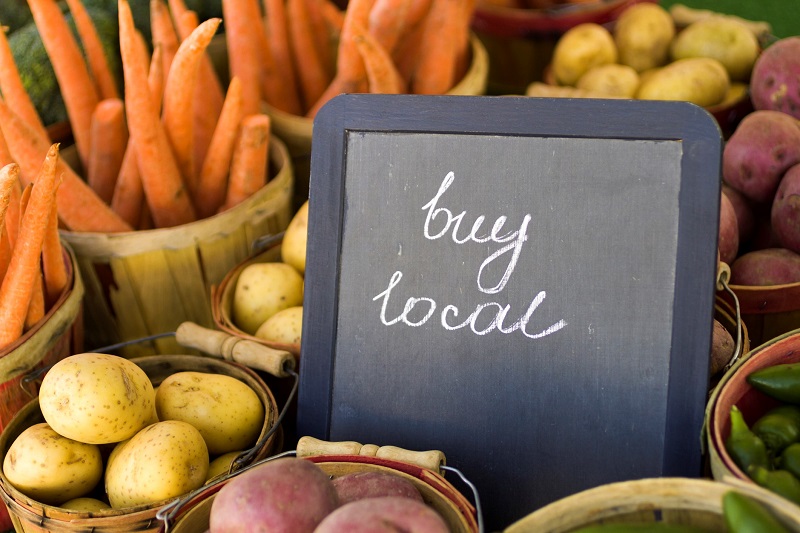
Fresh local produce on sale at the local farmers market.

When farmers have an abundance of a crop, the law of supply and demand comes into play – which leads to lower prices for consumers. So, by shopping for what’s naturally in-season near you (often referred to as “local produce”), you’ll reap the benefits of more reasonably priced produce. 

Seasonal produce is typically cheaper, fresher, and more nutrient-rich (higher in vitamins and minerals). These fruits and veggies don’t have to travel as far from their [local] farms to your grocery store or farmer’s market. When buying produce that is not locally in-season (i.e., buying watermelon in the winter), it must travel longer distances to reach your produce aisle. This not only drives up the price, but can also negatively impact taste, texture, and quality. 

To find out what’s currently in season, check out this Seasonal Produce Guide from the USDA. For more region-specific produce season info, check out the Farmer’s Almanac website.  

Pro Tip: You can’t get more local than your backyard! Consider planting some low-maintenance plants, like herbs or veggies… if you have the space. Start off with 1-2 plants and gradually expand as your confidence (and green thumb) grows!  

Meatless Mondays (or Any Other Day)

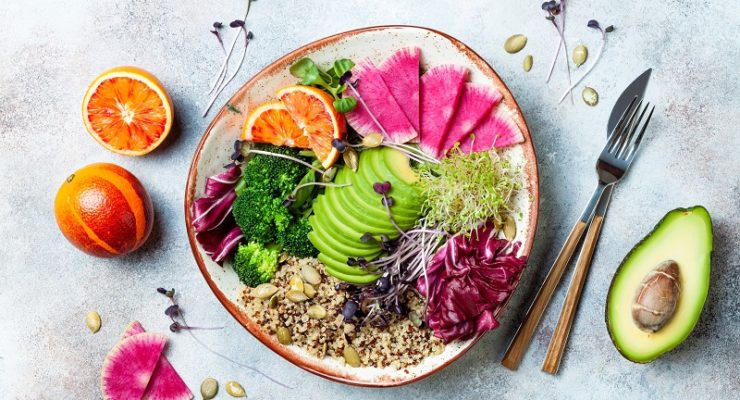
plant based meatless meal in a bowl

The price of meat has been at an all-time high. In fact, pork and beef costs are up between 14% and 20% from last year!  

One way to combat these rising prices is by having at least one meat-free meal per week. This doesn’t mean you need to go completely vegetarian or vegan. Rather, view it as a challenge to occasionally use plant-based proteins (i.e., beans or tofu) in place of animal protein (meat). 

Products like tofu, tempeh, seitan, and lentils are delicious and versatile plant-based proteins that can be used in a variety of recipes.  

If you need some inspiration for meatless meals, check this post: Plant-Based Power! 23 Easy Vegetarian Meals from Nutrisystem. 

Not to mention, eating a diet rich in plant-based foods (e.g., fruits, veggies, whole grains and legumes) has been linked to a plethora of health benefits, including a reduced risk for heart disease, obesity, and certain types of cancer.  

Pro Tip: When you find meat available at a reasonable price, buy in bulk and freeze for later use. If you’re feeling adventurous, you may even consider buying whole cuts of meat (to then, breakdown and freeze in smaller portions yourself). With either of these approaches you’ll not only save money, but you’ll also have the flexibility to cook only as much meat as you need for each meal. 

Compare & Price-Match

woman grocery shopping price matching

Prices for the same product can vary widely from one store to the next. It pays to comparison shop!  

To make it easy, you can use a grocery price comparison app, like Basket or Flipp. These apps allow you to search for specific items and compare prices at different stores near you. 

You may find that the store with the lowest overall prices isn’t always the best deal on everything. For example, one store might have a lower price on meat, but a higher price on produce. Another store might be just the opposite. By using shopping-comparison apps, you can quickly and easily see which store has the best prices on the items you need. 

Not only that, but most grocery stores will match their competitors’ pricing if it’s lower. They want to keep your business and earn your loyalty, so they are usually willing to give you the same deal as another store in the area. 

To take advantage of this, simply bring in a printed copy of the competitor’s ad (or show it to customer service on your phone). Stores are not guaranteed to match prices, but they often will honor this request. It doesn’t hurt to try! 

Pro Tip: When comparison shopping, also take note of store loyalty programs and coupons. You may find that you can get an even better deal by combining these savings! 

Bottom Line

As inflation continues to rise, it’s more important than ever to be mindful of your spending – particularly when it comes to groceries. By following the above tips, you can save big on your grocery bill without sacrificing taste or quality. So, don’t be discouraged the next time you step foot in the supermarket. Armed with a little knowledge, you can beat inflation and come out on top!  

Looking for more? Check out our 10 Cost-Saving Tips for Budget-Friendly Meals post. 

The post Balance Your Grocery Bill: Cost-Saving Tips Among Rising Food Prices appeared first on The Leaf.


from The Leaf https://leaf.nutrisystem.com/cost-saving-tips-among-rising-food-prices/

Non-starchy vegetables are the real heroes of weight loss. They fill you up with fiber, nourish you with essential vitamins and minerals, and don’t weigh you down with excess calories or fats. Eat four or more daily servings of non-starchy varieties—you actually can eat as much of them as you want—and they will give you a powerful boost on your weight loss journey.

We know that many people don’t love all kinds of vegetables. However, with so many flavors and textures to choose from, you are sure to find a few you do like. Consider these 10 options that work extra hard to help you reach your ideal weight.

Pro Tip: Check out the link below to learn more about non-starchy vegetables!:

What the Heck Are Non-Starchy Veggies, Anyway?

Read More

1. Artichokes

fresh artichokes on a cutting board and inside a bowl

Why: Artichokes are high in a specific type of fiber called inulin, which enhances the body’s ability to absorb calcium, a mineral that helps stoke your metabolism, according to a report in the British Journal of Nutrition.1

Try: Quick-and-easy Artichoke Basil Hummus is perfect for dipping other non-starchy vegetables or Sweet Jalapeno Crisps. If you’ve never prepared artichokes, check our handy guide for simple instructions. You can also make enjoying this veggie easier with jarred or canned artichokes, which are perfect for chopping up and adding to salad and pasta.

2. Broccoli

fresh broccoli on a small cutting board

Why: Broccoli is not only high in fiber and immune-boosting vitamin A, it has lots of sulforaphane, a compound that reduced appetite and weight gain in a laboratory study, published in the European Journal of Pharmacology.2

Try: Roasting broccoli tenderizes the crunchy stems and sweetens the flavor of the florets. Start your day with a serving of non-starchy vegetables with our favorite Broccoli and Cheddar Breakfast Muffins recipe.

3. Carrots

fresh carrots on a white wooden table

Why: Carrots are a favorite of many people who are not veggie-lovers and they’re especially helpful when you’re trying to shed excess pounds. That’s because when you eat carrots with a meal they significantly increase your satiety, or the feeling of having your appetite satisfied, according to a study in the British Journal of Nutrition.3

Try: When you’re craving a crunchy snack, raw carrots are a smart choice and they’re great for dipping in salsa, a Free food when you’re losing weight with Nutrisystem. Our Honey Balsamic Glazed Carrots take their natural sweetness up a notch.

11 Cauliflower Recipes So Good You’ll Forget You’re Eating Veggies

Read More

4. Cauliflower

colorful cauliflower in a bowl

Why: Cauliflower may be plain in appearance and mild in flavor, yet it’s loaded with fiber and a serving has 100 percent of your Recommended Daily Allowance for immunity-boosting vitamin C. It’s also an especially good source of potassium, which helps your body regulate its sodium levels and is a “predictor of reduction in body mass index,” says a report in the journal Nutrients.4

Try: Cauliflower can be ground into high-fiber, low-calorie “grains” that are a healthy substitute for regular white rice. It also makes a perfectly chewy pizza crust. For a quick and satisfying snack, try our recipe for Air Fryer Cauliflower Tater Tots—they’re crispy on the outside and delightfully gooey on the inside.

5. Eggplant

two fresh eggplants on a wooden table

Why: Eggplant’s weight loss superpowers come from the compounds that give them their bright purple color. These polyphenols help your body manage blood sugar, control your appetite and inhibit you from storing fat, according to another research report in Nutrients.5

Try: Choose small to medium size eggplant, which are more tender and less seedy than the big ones. Grill or roast thick slices of eggplant until crisp, then cover them with your favorite pizza toppings. If you love classic Italian food, try our recipe for 5-Ingredient Simple Eggplant Parmesan.

6. Hot Peppers

red chili peppers in a wooden bowl

Why: Do you like to light up your taste buds with a little spice? Here’s good news for you: Capsaicin, the compound that causes your tongue to tingle when you eat jalapeños, cayenne and other hot peppers, has been shown to pump up your metabolism. It also may also help you activate your brown fat, which is associatiated with “protection against obesity and metabolic diseases,” says research published in the journal Bioscience Reports.6

Try: You can use fresh or dried hot peppers to heat up all kinds of dishes, from chili to spaghetti sauce to veggie omelets. For a Flex meal recipe with lots of protein, creamy cheese and a spark of spice, try our Jalapeño Cheese Stuffed Chicken.

Are you ruining your non-starchy vegetables with how you’re cooking them? Find out at the link below:

6 Sneaky Ways You’re Ruining Your Veggies

Read More

7. Mushrooms

fresh mushrooms in a wooden bowl

Why: Every meal gets a little heartier with the addition of the meaty texture and savory flavor of mushrooms. Even better, “regular consumption of mushrooms is effective in the treatment of metabolic syndrome, including obesity,” according to an article in the journal Molecules.7

Try: Mushrooms come in many varieties, from delicate chanterelles to thick portabellas. Keep a bag of frozen mushrooms handy to add to soups, eggs and meat dishes. Any day is like a party when you make a batch of Simple Stuffed Mushrooms.

8. Onions

freshly cut onions in a bowl

Why: Along with their zingy flavor, onions are rich in a compound called quercetin, which reduced the percentage of body fat in overweight and obese subjects in a study, reported in Nutrition Research and Practice.8

Try: Raw, grilled, or sautéed, onions boost the flavor of just about any type of food, from salads to sandwiches to pizza and turkey burgers. You can even enjoy crispy coated onion rings with our easy Air Fryer Onion Rings recipe–they’re oh-so satisfying and grease-free!

9. Spinach

fresh spinach in a bowl

Why: Like most leafy greens, spinach is among the most nutrient-dense foods. It’s also a good vegetable source of essential minerals such as iron and calcium that help to regulate your metabolism. An interesting study, published in the Journal of the American College of Nutrition, found that after consuming spinach the test subjects felt less hungry and experienced no “longing for food” for more than two hours compared to the control group who didn’t have spinach.9

Try: Raw spinach can be a tender salad green. It also blends so well in smoothies, you won’t even know it’s there. Our recipe for Creamy Spinach Stuffed Chicken treats you to belly-filling protein and the goodness of melted pepper jack cheese.

Get creative with your non-starchy vegetables! Check out the link below for some tips and tricks:

7 Creative Ways to Eat Fruits and Veggies

Read More

10. Tomatoes

fresh tomatoes in a colander

Why: Eating tomatoes reduces the risk of metabolic syndrome, which includes obesity and diabetes, according to a report in Advances in Nutrition. The researchers found that lycopene, the compound that gives tomatoes their bright color, plays a key role in protecting against these conditions.10

Try: Raw and cooked tomatoes are rich in lycopene. Slices of raw tomatoes add a tangy flavor to sandwiches and wraps and keep every bite moist. The Nutrisystem menu offers so many choices that are loaded with the flavor of tomatoes, from our new Mediterranean Flatbread to the ever-popular Lasagna with Meat Sauce.

Sources:

  1. https://pubmed.ncbi.nlm.nih.gov/12088518/
  2. https://www.ncbi.nlm.nih.gov/pmc/articles/PMC6110095/
  3. https://pubmed.ncbi.nlm.nih.gov/16925866/
  4. https://www.ncbi.nlm.nih.gov/pmc/articles/PMC6627830/
  5. https://www.ncbi.nlm.nih.gov/pmc/articles/PMC4728631/
  6. https://www.ncbi.nlm.nih.gov/pmc/articles/PMC5426284/
  7. https://www.ncbi.nlm.nih.gov/pmc/articles/PMC6278646/
  8. https://www.ncbi.nlm.nih.gov/pmc/articles/PMC4819128/
  9. https://www.ncbi.nlm.nih.gov/pmc/articles/PMC4600649/
  10. https://www.ncbi.nlm.nih.gov/pmc/articles/PMC6370260/

The post 10 Best Non-Starchy Vegetables That Make Weight Loss Easier appeared first on The Leaf.


from The Leaf https://leaf.nutrisystem.com/best-non-starchy-vegetables-for-weight-loss/

Nothing feels more like warm weather mealtime than grilling. Spending time outdoors whipping up a meal is all part of the experience. Plus, grill recipes add some unique flavor factors to various foods that can give you a whole new way of enjoying them. It’s a great way to fit more nutritious choices into your weight loss plan!

With grilling season upon us, now is the time to start stocking up on healthy grilling ideas and summer grill recipes. To get you started, we’ve rounded up 15 of our favorite grilled recipes. From fruits and veggies to protein-packed mains, you’re sure to find a new grilled favorite!

1. Grilled Romaine and Corn Salad with Honey Mustard Tahini Dressing >

Grilled Romaine and Corn Salad with Honey Mustard Tahini Dressing

When you grill greens like Romaine lettuce, they end up with a little bit of caramelization which adds some sweetness. Coupled with some corn, red onion and shaved parmesan cheese, this grilled salad is absolutely delish. It’s all drizzled in a honey mustard tahini dressing made from Dijon mustard, tahini and honey. Instead of store-bought dressings that pack in lots of excess calories, this healthy dressing adds just the right touch of extra flavor without lots of unnecessary sugar. Click here for the full recipe! >

2. Spicy Inside-Out Cheeseburger >

Spicy Inside-Out Cheeseburger

Nothing quite says grilling season like a batch of burgers. While traditional cheeseburgers are typically loaded with fatty grease, this recipe uses lean grass-fed ground beef to keep it light. Combined with just the right mix of seasonings—and then stuffed with cheese for the “inside-out” touch—these burger patties are truly mouthwatering. While the carb-loaded bun can take even the healthiest burger off track, this recipe uses two whole wheat sandwich thins for a healthier alternative. Click here for the full recipe! >

3. Grilled Asparagus Caesar Salad >

Grilled Asparagus Caesar Salad

If you’re looking to switch-up your normal salad routine, this asparagus-based version may be just the answer. It features a healthy homemade Caesar dressing with plain nonfat Greek yogurt as its base. The asparagus is tossed in oil and grilled until slightly charred. Then it’s served with the delicious dressing as well as some croutons and parmesan cheese. Considering asparagus is an excellent source of nutrients, this is a salad you can feel great about! Click here for the full recipe! >

4. Shrimp and Scallop Skewers >

Shrimp and Scallop Skewers cooked on the grill

Fresh seafood recipes on the grill is a real treat. In this recipe, the skewers are stacked with lean protein and seasonal veggies to create a dish that’s both delicious and healthy. Paired with a decadent but light lemon garlic butter sauce, you’ll feel like you’re indulging. In reality, each skewer is a mere 137 calories. Click here for the full recipe! >

5. Marinated Grilled Chicken Thighs >

Marinated Grilled Chicken Thighs

The key to delicious grilled chicken recipes is in the marinade. The process of marinating meat tenderizes and infuses flavor into your healthy grill recipes. Our yummy marinade is made from a mixture of orange juice, lime juice, olive oil, garlic powder, cumin, paprika, black pepper and a dash of salt. After you let your chicken thighs soak in it for a couple of hours, you’re ready to grill! One serving of marinated chicken thoughts is 219 calories. Pair it with a veggie side dish for a well-balanced meal. Click here for the full recipe! >

6. Grilled Cabbage Steaks >

Grilled Cabbage Steaks

Grilling cabbage helps make it tender and brings out some deliciously sweet flavor. Once you cut your head of cabbage into four thick slices, you’ll coat it with olive oil and season it with pepper. After grilling to perfection, the cabbage steaks are drizzled with a tasty lemon tahini dressing. With each steak being a mere 121 calories, you’ll fill up without taking in excess calories. Plus, cabbage has an outstanding nutrient profile and is packed with vitamins C and K. Click here for the full recipe! >

7. Marinated Steak Kebabs >

Marinated Steak Kebabs on the grill

Skewer recipes made on the grill are a must-have for your summer menu. These steak kebabs are made using sirloin tips and a delicious marinade that adds just the right flavor to your meat. Combined with cut-up bell peppers, onions and baby potatoes, you’ll also pack in plenty of veggies on each skewer. One kebab is just 183 calories and delivers a high-protein and fiber-filled meal that you’ll enjoy to the fullest. Click here for the full recipe! >

8. Cedar Plank Salmon >

Cedar Plank Salmon cooked on the grill

Grilling on a cedar plank is a great way to simplify your fish grilling process. While fresh fish often becomes flaky and can fall apart on the grill, grilling on a cedar plank eliminates the hassles and headaches. With salmon being a good source of protein and also rich in Omega-3 fatty acids, it’s a great addition to a healthy diet. And, it’s even more delectable when grilled! Click here for the full recipe! >

9. Rainbow Vegetable Skewers >

Rainbow Vegetable Skewers on a plate on a grill

These vegetable skewers are equally colorful and delicious. It’s important to have a lot of “color variety” in your diet as it means you’re getting different nutrients. Plus, with all the variety in these skewers, you’ll find yourself filling up on a lot of yummy vegetables and not as much meat. These skewers even sneak in a fruit—grilled pineapple—which adds some amazing sweetness to the lineup. Click here for the full recipe! >

10. Pineapple Chicken Kebabs >

Pineapple Chicken Kebabs on a grill rack

This recipe is simple to whip up and is sure to become a summer favorite. It features cut-up red bell pepper and onions with pineapple chunks and lean grilled chicken. After skewers are loaded, everything is glazed in barbeque sauce. It’s just the right combination of sweet and savory! Click here for the full recipe! >

11. Lettuce Wrapped Mushroom and Swiss Burger >

Lettuce Wrapped Mushroom and Swiss Burger

Another burger recipe to add to your list, this one uses lean grass-fed ground beef mixed with baby bella mushrooms, onion, garlic and Worcestershire sauce for lots of flavor. Some reduced fat swiss cheese melted atop the patty adds just the right touch. Of course, perhaps what’s most surprising about these burgers is that they’re just as delicious served sandwiched between large pieces of lettuce. It proves that you don’t need a bun for a delicious and fulfilling burger. Click here for the full recipe! >

12. Chicken Kebabs with Peanut Dipping Sauce >

Chicken Kebabs cooked on the grill with Peanut Dipping Sauce

These tender chicken kebabs are made even more appetizing with their tasty peanut dipping sauce—which is made from peanut butter, chicken broth, soy sauce, lime juice and cayenne pepper. Before grilling, the chicken is marinated in a homemade teriyaki and soy sauce to make it even more flavorful. At just 219 calories per serving, it’s almost too good to be true! Click here for the full recipe! >

13. Brussels Sprout Skewer with Mustard Marinade >

Brussels Sprout Skewer with Mustard Marinade cooked on the grill

Like other veggies, when you grill Brussels sprouts, it brings out some caramelization and results in an amazing flavor profile. But these Brussels sprouts are made even more flavorful with a yummy mustard marinade using whole grain mustard, olive oil, salt and pepper. You’ll pack in fiber, vitamins, minerals and antioxidants in this nutritious and delicious dish. Click here for the full recipe! >

14. Grilled Peach Melba >

Peach Melba with raspberries cooked on the grill

This Grilled Peach Melba recipe is easy to make and only requires a handful of wholesome ingredients. The end result is a 95-calorie dessert that’s filled with a beautiful blend of flavors and textures! Grill your peaches for five minutes per side and top with homemade raspberry melba sauce and a vanilla mascarpone filling. Click here for the full recipe! >

15. Grilled Balsamic Chicken >

Grilled Balsamic Chicken Breast on a plate with lemon and oregano

Take plain, old grilled chicken up a notch with a homemade balsamic marinade! All you need is a few simple ingredients to make this easy Balsamic Grilled Chicken recipe that’s perfect for summer. The recipe makes a total of six servings, but feel free to double it up if you’re serving a crowd! Click here for the full recipe! >

The post 15 Healthy Summer Grill Recipes appeared first on The Leaf.


from The Leaf https://leaf.nutrisystem.com/healthy-summer-grill-recipes/

You might think that a 4th of July backyard barbecue is pretty much the worst thing that can happen to your weight loss plan this summer.

You know what? You could be right.  Giant bowls of chips and dip, burgers, brats and dogs piled onto white bread buns, “salads” that start with great big gob of mayonnaise, the traditional red, white and blue sheet cake slathered in cream cheese frosting and dotted with blueberries and strawberries, plus ice cream … yeah, that’s a real problem, alright.

But the minefield that is the backyard barbecue can be easily defused by just a few simple hacks. Here are seven tips for a healthy 4th of July food ideas and tips!

1. Build a better burger.

Protein burger wrapped in lettuce

BYOM (bring your own meat) if you’re a guest and pre-make your lean beef (or even ultra-lean bison!) patty into a reasonable, two-ouncer. Don’t eyeball it.

Fast-food restaurant portion sizes have grown over the last few decades. So what you consider a “small” burger might actually be super-sized. Rule of thumb: Your two-ounce burger should be about two-thirds of the size of a deck of cards. Make it even healthier by bringing your own whole wheat bun or even switching to chicken or turkey. Lettuce wraps are also a smart and low-calorie option instead of a regular bun.

Check out these five better-for-your burger recipes for other healthy burger ideas!

2. Go fish.

grilled salmon

Who says barbecue has to be all about meat? Firm-skinned fish such as salmon and tuna are great on the grill, as are the shrimp and scallops bathed in a garlic-infused butter sauce in this delicious seafood kebab recipe. >

Fish contains heart-healthy omega-3 fatty acids and other nutrients that can help lower your blood pressure and heart rate, improve the health of your blood vessels, and prevent stroke and heart attack. The Dietary Guidelines for Americans recommends that you have two servings of fish weekly.

3. Totally veg out.

with organic vegetables on a white plate

Instead of snacking on chips, hit up the veggie tray. The fiber will help fill you up so you don’t overindulge. Skip the burger bun and use romaine or butter crunch lettuce as a burger wrap. And consider adding veggies to the grill menu.

Instead of whipping up a creamy coleslaw, put cabbage to better use by cutting a head into four thick slices, brush each with olive oil, sprinkle on salt and pepper and grill them for five to six minutes a side. Total damage: 121 calories per slice. Get the full Grilled Cabbage Steak recipe here! >

If you can’t live without slaw, try one of these healthier, low-cal slow recipes. >

Veggie skewers are another colorful and creative way to get in your four daily veggie servings on Nutrisystem. Thread some chunked onion, sliced zucchini, carrots, peppers and whole mushrooms onto skewers and grill them alongside the meat. You can also use a red wine vinegar-based marinade to add a big dose of flavor to your healthy kebab.

18 Healthy 4th of July Cookout Ideas

Read More

4. Choose your condiments wisely.

Sauce, Ketchup, And Mustard Bottle

Sadly, some of your favorites may be high in sugar (ketchup) or fat (mayonnaise). While there are slimmed-down versions of these condiments, try to get a little more creative while you’re getting healthier.

Use mustard to make your own marinade for grilled meat or as the basis of a light salad dressing. Our Creamy Honey Mustard Dressing recipe uses nonfat Greek yogurt, honey, Dijon mustard, apple cider vinegar, garlic powder, salt and pepper to make a zingy dressing or even chicken marinade.

Top your burger or grilled chicken with a spoonful of salsa (check ingredients on store bought salsas for sugar content) for a more exotic flavor. Apple cider vinegar or balsamic vinegar, especially infused with herbs, are also great salad toppers that can double as a meat marinade.

5. Make yours a “mocktail.”

Watermelon mocktails

In addition to healthy 4th of July food, make sure you also have smart beverage options on hand. You can certainly mix your favorite wine with seltzer or have one low-cal beer. But the truth is that when you’re trying to lose weight, alcohol is not your friend. Studies have found that alcohol makes you overeat. A study, published in the journal Nature, found that alcohol can stimulate nerve cells in the hypothalamus of your brain to increase your appetite.

That’s not something you want happening when you’re faced with the incredible bounty at a backyard barbecue. Lucky for you, there are plenty of delicious alcohol-free drink ideas and recipes that will keep you happy and hydrated.

6. Don’t bypass the volleyball net.

Family Playing Volleyball In Garden

One single game could burn around 216 calories, depending on how competitive you are.

Exercise certainly helps burn calories, but its real importance for weight loss is to slow the loss of muscle mass, an unfortunate side effect of simply dieting off weight, says the American College of Sports Medicine. Muscle mass is what helps your body burn those calories, so holding onto it while you’re losing fat is crucial. Exercise also helps us keep the weight off. So take every opportunity—volleyball, badminton, a pick-up basketball game, backyard softball—to make it part of your life, even when you’re partying.

10 Tips for a Healthy Home Cookout

Read More

7. Toss another peach on the grill.

Delicious grilled peaches

If you’d like to avoid that patriotic cake and ice cream topper, take advantage of the hot grill to make a dessert that just seems decadent. Grilled fruit is the perfect healthy 4th of July food idea!

Just cut several peaches in half, flip them on the grill and cook for about five minutes per side. The heat brings out their sweetness, and if you eat a couple just like that, they’re only 50 calories. They jump to only 95 calories when you top them with a mascarpone cheese mixture (honey and vanilla extract) and raspberry sauce made with raspberries, water and stevia that you cook on the stove until they’re sauce-y. You’ll find this low-cal peach melba recipe here! >

Instead of peaches, you can also grill some fresh pineapple; it’s even sweeter when its natural sugars caramelize over the heat.

Looking for another fresh and fruit ideas? Thread your favorite fruits onto a skewer, like melon, pineapple chunks, grapes, strawberries and kiwi. Serve your fruit kebabs up with a spoonful of low-fat yogurt.

The post 7 Tips for a Healthy 4th of July appeared first on The Leaf.


from The Leaf https://leaf.nutrisystem.com/healthy-4th-of-july-food-and-tips/

MKRdezign

Contact Form

Name

Email *

Message *

Powered by Blogger.
Javascript DisablePlease Enable Javascript To See All Widget