Latest Post

Worries about family, work, health and the world around us can fill our days with stress. Stress can lead to lack of sleep, headaches and bad moods that never seem to go away. That’s because stress is a real physical reaction to fear and pressure.

When we are stressed, our bodies release stress hormones known as adrenaline and cortisol. Together, these substances alter many systems within the body, increasing heart rate, elevating blood pressure, boosting energy are more. This stress response works well for short-term threats.

When life leaves us feeling stressed for days on end, this process begins to damage our everyday functioning. “The long-term activation of the stress response system and the overexposure to cortisol and other stress hormones that follows can disrupt almost all your body’s processes,” says Mayo Clinic. Chronic stress can cause serious health problems, including heart disease, stroke, difficulty with digestion, weight gain and depression. Learn more about the symptoms of chronic stress at the link below:

Stress Management: 7 Symptoms and Signs of Chronic Stress

Read More

While it can be hard to avoid stress altogether, you can take active steps to help you reduce its impact on your well-being. Here are 10 simple strategies that you can use to release stress in the new year for a happy and healthy 2022.

1. Breathe deep.

Woman outside breathing in fresh air

There is nothing more natural than breathing. But when we are feeling stressed out, our normal breathing can become more rapid and shallow, diminishing the amount of fresh oxygen we pull into our bodies. Instead, focus on deep breathing.

According to the University of Michigan Health, “Deep breathing is one of the best ways to lower stress in the body. This is because when you breathe deeply, it sends a message to your brain to calm down and relax. The brain then sends this message to your body. Those things that happen when you are stressed, such as increased heart rate, fast breathing, and high blood pressure, all decrease as you breathe deeply to relax.”

There are many different breathing exercises that you can do to relax and decrease stress. “Although these shouldn’t be seen as a replacement for therapy or a cure for severe anxiety, they can be a free, simple tool for both short-term relief and long-term benefit,” says The Greater Good Science Center at the University of California, Berkeley.

One of the easiest to learn is “belly breathing.” To do it, sit or lie flat and place one hand on your stomach just below your ribs. Place your other hand on your chest. Breathe in deep through your nose, letting your belly push your hand out (your chest shouldn’t move). “Breathe out through pursed lips as if you were whistling,” says the University of Michigan Health. “Feel the hand on your belly go in, and use it to push all the air out.” Repeat this three to 10 times, taking your time with each breath.

2. Flex and release.

Man sitting and relaxing

You can take the process of conscious breathing to the next level by thinking about relaxing each of your muscle groups. According to University of Michigan Health, Progressive Muscle Relaxation involves tensing a group of muscles as you inhale, then relaxing the muscles as you exhale. They recommend finding an audio recording at your local library or bookstore to walk you through each muscle group in order. Start by tensing up the muscles as you breathe in, then gradually releasing them as you breathe out. As you work your way through your body, visualize the stress and tension leaving that part of your body. You can try this progressive relaxation technique when you’re having trouble falling asleep, too.

3. Feel the sun.

Person standing in the sunlight

The short daylight hours in winter and time spent almost exclusively indoors have a physical impact on us. Tri-City Medical Center explains that exposure to sunlight can increase serotonin levels and help prevent Seasonal Affective Disorder (SAD). Take time each day to go outside and feel the sunshine on your face. Just 10 minutes can make a big difference in how you’re feeling. Plus, a little fresh air and time in the great outdoors never hurts. Bonus: Exposure to sunlight helps your body produce vitamin D, which plays a key role in your immune system.
Feeling Stressed? 9 Foods That Make You Happy

Read More

4. Walk it off.

Man and woman walking outdoors

Nutrisystem’s dietitians recommend 30 minutes of daily activity to help you stay on track with your weight loss. According to Cleveland Clinic, “Aerobic exercise has been shown to release endorphins—natural substances that help you feel better and maintain a positive attitude.” Even just a brisk 10-minute walk in the middle of a stressful day can help relieve tension in your muscles and ease your worries.

5. Shimmy and shake.

A couple dancing together

Dancing is a fun way to burn calories and, according to research, it can help reduce stress. Harvard Health explains that dancing has been shown to increase levels of the “feel-good hormone” serotonin while creating new neural connections. Whether you enjoy disco or the foxtrot, line dancing or grooving solo, dancing uses up excess energy and draws your attention away from the causes of your stress.

6. Stretch out.

Person stretching their arms at their desk

We most often feel stress first as tension in our muscles. Help your body to let it go by taking a quick stretch break. The American Council on Exercise (ACE) recommends trying some workday stretches to help relax your body and mind during stressful times. Deep breathing combined with stretches like the side neck stretch, seated spinal twist and desk downward facing dog can help target “desk-sitting muscles” while you disconnect from worries. As you release the physical tension, think about letting go of the stress you are feeling inside.

Tone Up While Sitting Down with 6 Easy Chair Exercises

Read More

7. Massage therapy.

Massage towels and candles

Getting a massage can be more than just a luxurious visit to the spa. Lying on a table as a professional kneads your tight muscles is sure to help you relax. A massage lowers your cortisol levels, according to a report in the International Journal of Neuroscience.

Arthritis Foundation recommends self-massage if you don’t have the time or budget to see a professional. You can get the benefits of massage in any situation by kneading the base of the muscle under your thumb, which can even relieve tension in the shoulders, neck and forehead. For a quick foot massage, take off your shoes and roll a ball (tennis or golf size) back and forth from your toes to your heel and along the instep of your feet.

8. Eat well.
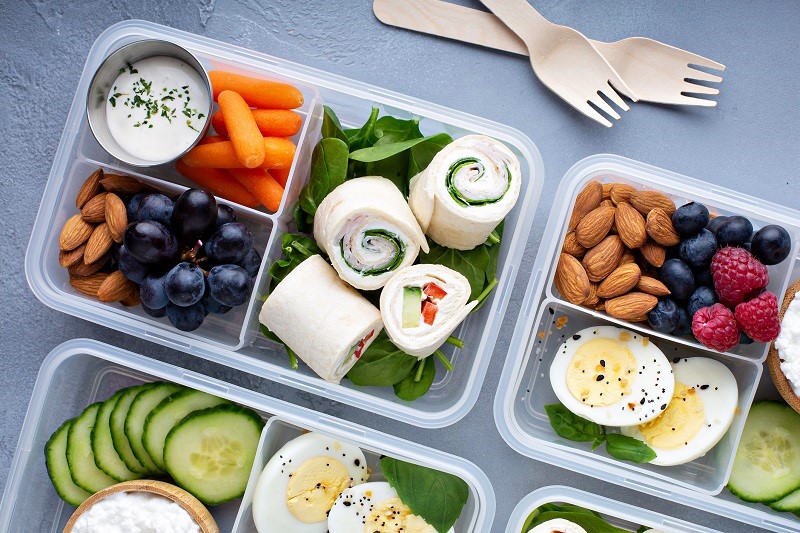
Healthy portioned meals

You know the food you eat affects your energy level and your mood. When stressed, you are likely to be tempted by foods that are high in calories, fat and sugar, says research from Harvard Health. Build your daily meals and snacks with lean protein, whole grains and fruits and vegetables, so your body is fueled up and well-nourished when you face stressful situations. Nutrisystem can help by crafting you a well-balanced meal plan that’s nutritious and delicious.

9. Easy answer.

Cooking up a Nutrisystem meal

Meal planning and preparation can make busy days even more stressful. Nutrisystem takes all the worry out of deciding what to have and the hassle of getting it ready. You can keep lots of choices on hand, so you never have to settle for a dull meal or unhealthy takeout. Your Nutrisystem meals are delivered right to your door, which gives you one less thing to worry about. Get started with your meal plan today! >

Why Stress Keeps You From Losing Weight (and How to Beat It!)

Read More

10. Support yourself.

Man pouring a healthy green smoothie

You can’t control the outside world, but you can take time each day to take care of yourself. Set a reminder to spend a few moments each day feeling good about eating a healthy diet and the progress you are making toward your weight loss goal. You deserve credit for your effort and who is better than you to appreciate that?

The post 10 Tips for a Stress-Free New Year appeared first on The Leaf.


from The Leaf https://leaf.nutrisystem.com/tips-for-new-year-stress-relief/
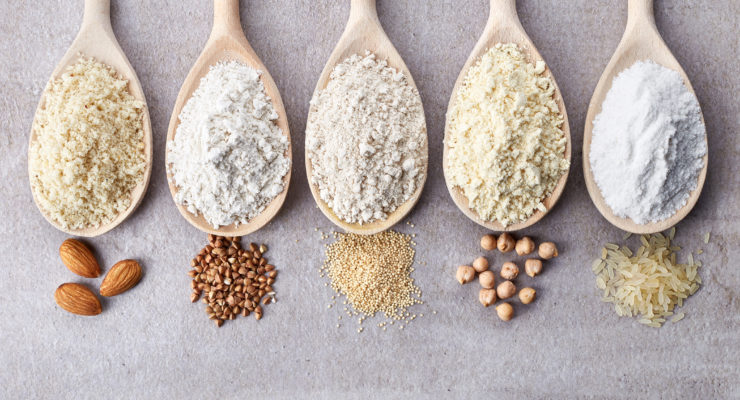
The aroma of fresh-baked bread makes your home feel just a little cozier when the weather outside turns chilly. Eating bread straight from the oven warms you up from the inside out, too. But maybe you have heard that you have to avoid all bread recipes when you’re trying to eat healthy and lose extra pounds. We’re here to tell you that you can enjoy all of the sensory pleasures of homemade bread and stay on track to your weight loss goals.

With these 11 healthy bread recipes, you can treat yourself and the rest of your household to the tantalizing smells and the satisfying tastes of bread this season. Best of all, these recipes are so easy, you don’t need any baking experience.

Grocery Shopping 101: Your Guide to the Baking Aisle

Read More

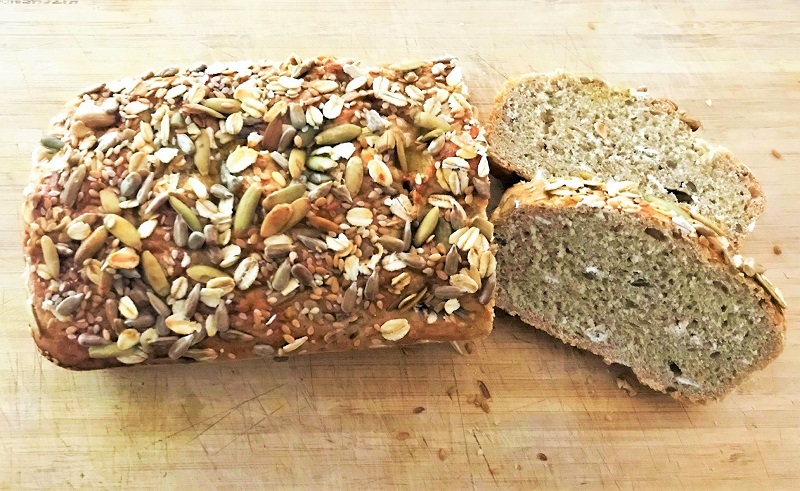
 1. Seeded Whole Wheat Bread Dough >

Healthy Seeded Whole Bread dough

Calories per Serving: 188

On Nutrisystem, Count As: 1 SmartCarb and 2 Extras

Baking your own bread lets you use deliciously healthy ingredients like sunflower and pumpkin seeds to add extra flavor and crunch to your sandwiches. Try this healthy bread to make a classic PB&J, toast it and top it with avocado or turn it into a perfect seasonal treat with a spread of fresh apple butter.

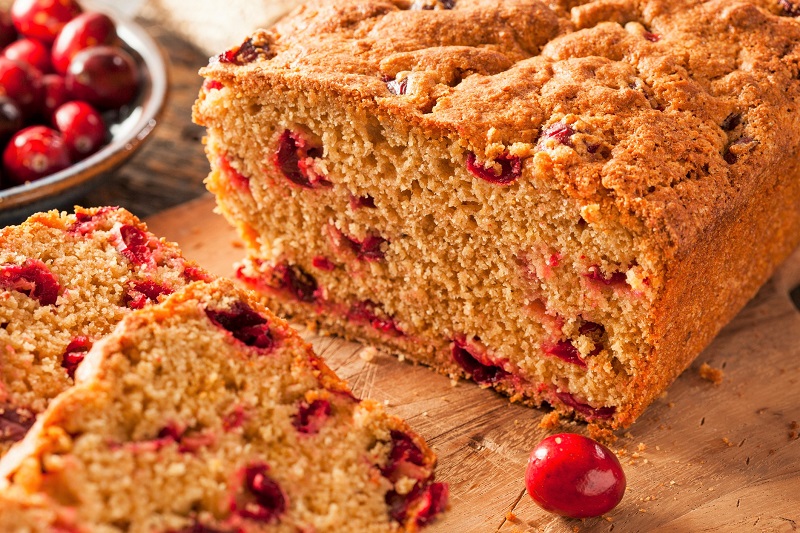
2. Whole Wheat Cranberry Orange Bread >

Healthy Whole Wheat Cranberry Orange Bread

Calories per Serving: 137

On Nutrisystem, Count As: 1 SmartCarb and 1 Extra

If you like healthy bread recipes that are soft and sweet, this simple loaf is sure to become a favorite for your breakfast or coffee breaks. It is low in calories—with just 137 per serving—and has no added sugar because the sweetness comes from oranges and applesauce.

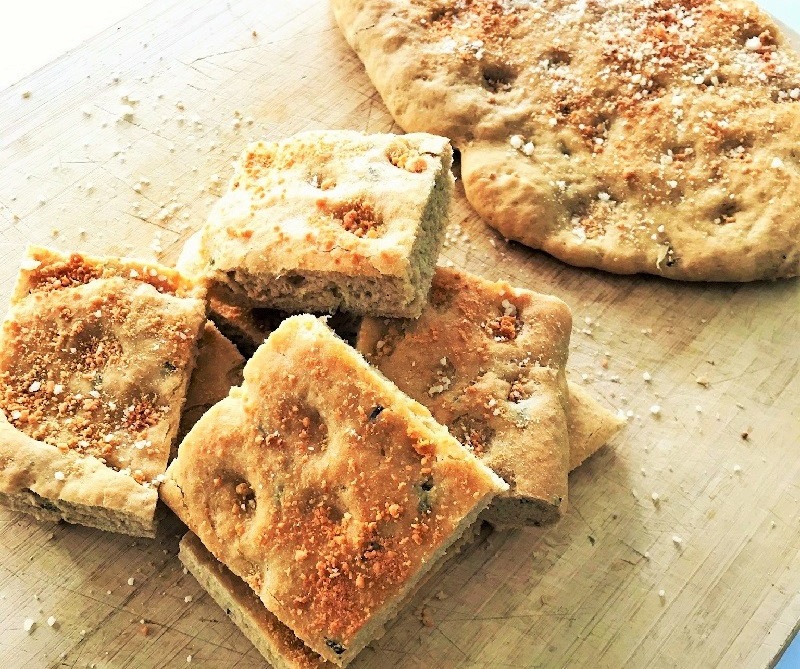
3. Whole Wheat Herb Focaccia >

Healthy Whole Wheat Herb Focaccia

Calories per Serving: 129

On Nutrisystem, Count As: ½ SmartCarb, 2 Extras

Focaccia (pronounced “foe-KAH-chuh”) is a savory Italian-style flatbread with a texture like pizza dough. Enjoy it alongside soup and salad or just dip it in low-sodium, sugar-free marinara sauce. Bump up the taste of your focaccia with plenty of fresh herbs like rosemary and oregano, which are Free foods that add no calories but lots of flavor.

17 No Bake Dessert Recipes

Read More

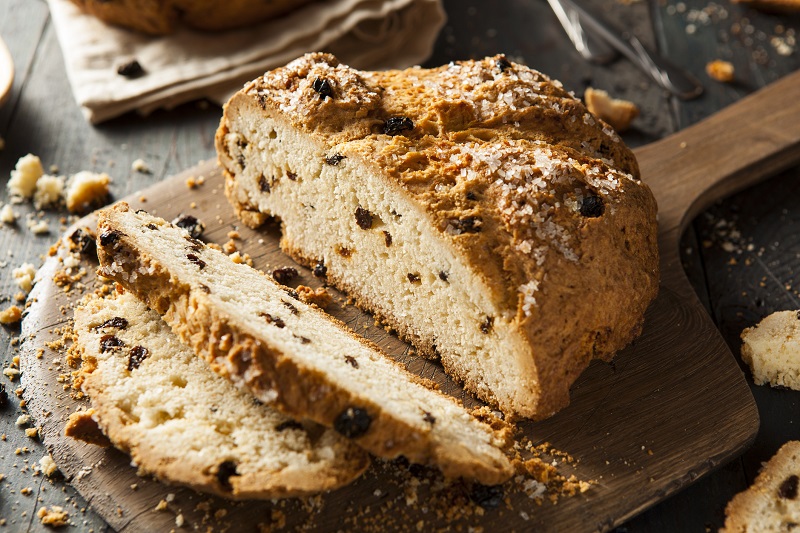
4. Irish Soda Bread >

Irish Soda Bread

Calories per Serving: 109

On Nutrisystem, Count As: 1 SmartCarb

A staple for many bread-loving families, our Irish Soda Bread features the flavors of orange, vanilla and raisins. Plus, it gives you all the satisfaction of a firm and chewy loaf. We made it with whole wheat flour, so it’s high in fiber and just one slice leaves you feeling full for hours.

5. 5-Ingredient Buffalo Cauliflower Breadsticks >

5-Ingredient Buffalo Cauliflower Breadsticks

Calories per Serving: 116

On Nutrisystem, Count As: 1 PowerFuel and 1 Vegetable

For parties, game days or a snack anytime, these breadsticks treat you and your gang to the zesty flavor of buffalo sauce and gooey melted cheese atop a hearty base that’s perfectly crusty. You can have the breadsticks warm and ready to eat in under 30 minutes—even faster if you pick up cauliflower “rice” in the produce or frozen food sections of your grocery store.

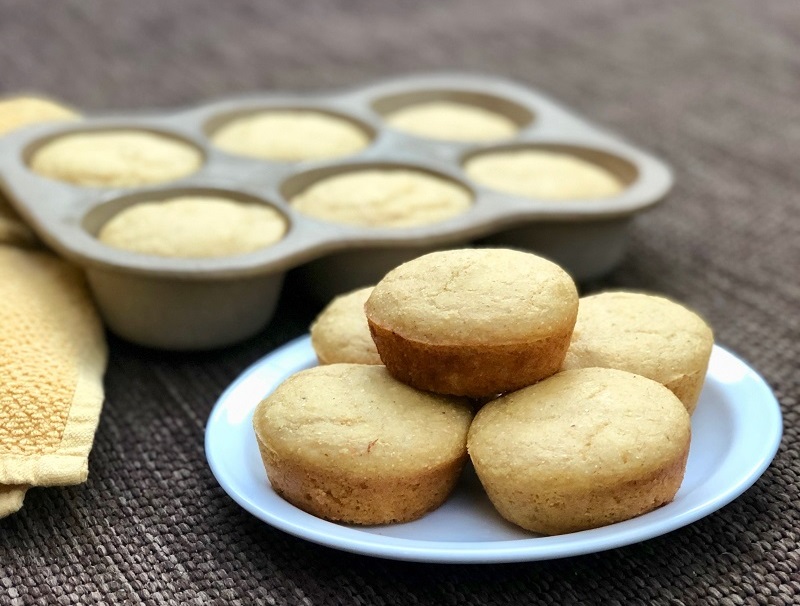
6. Honey Yogurt Cornbread Muffins >

Healthy Honey Yogurt Cornbread Muffins

Calories per Serving: 110

On Nutrisystem, Count As: 1 SmartCarb

Muffins are the happy spot where bread meets cake—they’re soft and fluffy yet flavorful and filling. Sweet honey and tangy yogurt combine with savory cornbread to make these muffins tasty and oh-so-satisfying, but just right for your healthy eating plan.

The Nutrisystem Winter Weight Loss Guide

Read More

7. Air Fryer Garlic Bread >

Healthy Air Fryer Garlic Bread

Calories per Serving: 109

On Nutrisystem, Count As: 1 SmartCarb and 1 Extra

A side of garlic bread can turn any Italian dish into a feast worthy of your favorite Italian restaurant. Try this easy garlic bread recipe with our Four Cheese Manicotti or Meatballs in Marinara Sauce. We made our version of garlic bread in the air fryer so it comes out crispy and warm, yet easy on the calories.

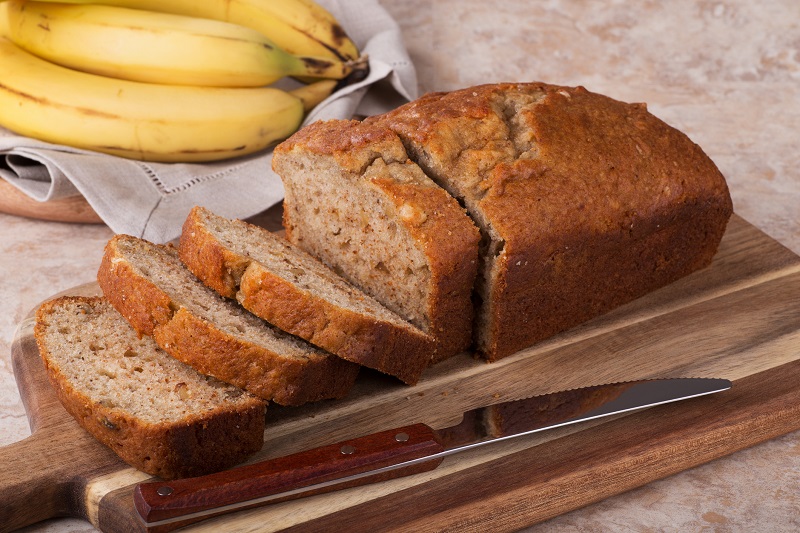
8. Gluten-Free Banana Bread >

Healthy Gluten-Free Banana Bread

Calories per Serving: 150

On Nutrisystem, Count As: 1 SmartCarb and 1 Extra

Whether you’ve never made banana bread before or if you’ve been baking for years, you’ll be amazed at how quick and easy it is to whip up this tasty loaf. In just five simple steps, you’ll have a fragrant and moist bread ready to slice and enjoy for breakfast or as an afternoon snack.

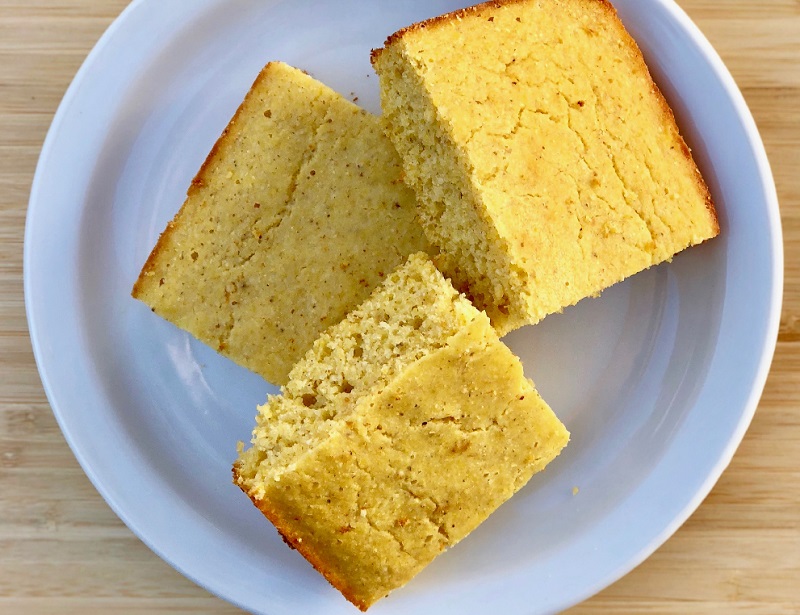
9. Gluten-Free Maple Cornbread >

Gluten-Free Maple Cornbread

Calories per Serving: 98

On Nutrisystem, Count As: 1 SmartCarb

Whether you’re trying to avoid gluten or just love the taste and texture of warm cornbread straight from the oven, this version is the perfect side to soups, stews or our Chockful of Veggie Chili. The maple syrup gives the bread a hint of sweetness but keeps it less than 100 calories per serving.

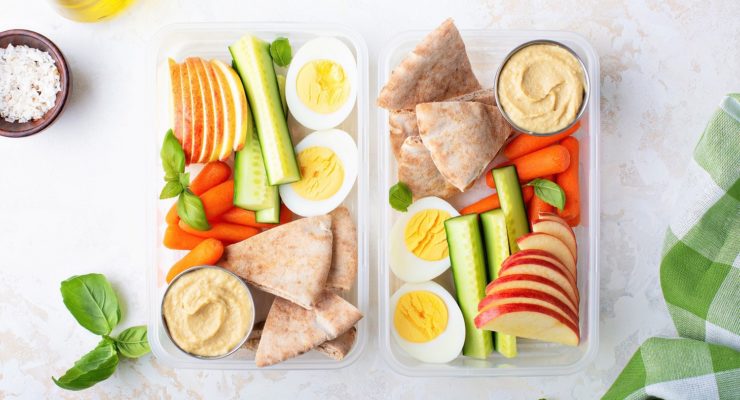
15 Healthy Flex Snack Combos for Your Weight Loss Plan

Read More

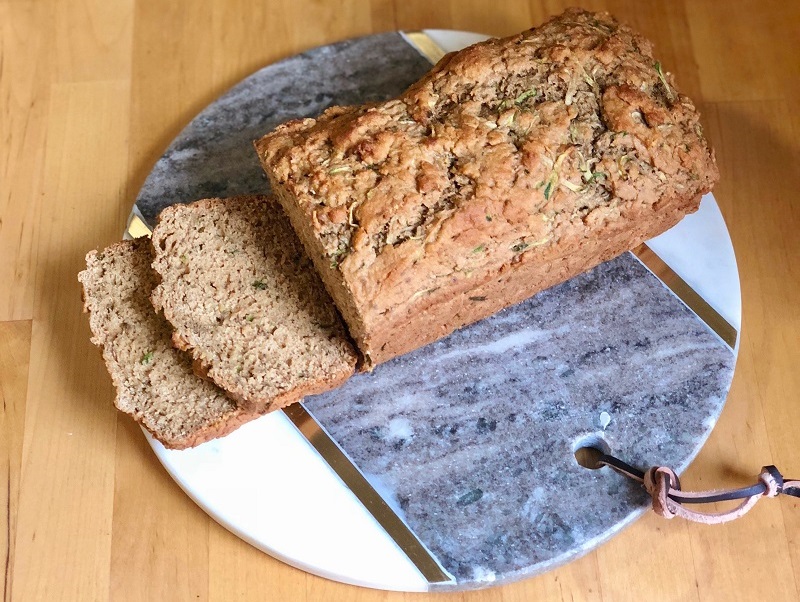
10. Easy-to-Make Zucchini Bread >

Easy-to-make Healthy Zucchini Bread

Calories per Serving: 114

On Nutrisystem, Count As: 1 SmartCarb and 1 Extra

This simple loaf is so soft, moist and rich in flavors like cinnamon and nutmeg, it’s almost like coffee cake. But it’s high in fiber because it’s made with whole wheat flour and shredded zucchini, so it keeps you feeling full for hours after eating it.

11. Cauliflower Crust Breadsticks >

Cauliflower Crust Breadsticks

Calories per Serving: 204

On Nutrisystem, Count As: 1 PowerFuel, 2 Vegetables and 1 Extra

Lots of mozzarella, Parmesan cheese and Italian seasonings load up these warm and crusty breadsticks with flavor. Even better: you can eat four of them and get only about 200 calories, plus 16 grams of protein and two of your daily servings of non-starchy vegetables. What could be better?

The post 11 Healthy Bread Recipes for Baking Season appeared first on The Leaf.


from The Leaf https://leaf.nutrisystem.com/11-healthy-bread-recipes/

To stay warm during the freezing season, you’ll need a coat, boots, hat, scarf and maybe even long underwear. To stay healthy, you’ll need a nutritional game plan. The right vitamins and nutrients not only help you resist the bacteria and viruses that cause colds and flu, but they also help ease symptoms of—or shorten the duration of—your winter illnesses.

These are the five nutrients your body needs more of in winter:

1. Vitamin D

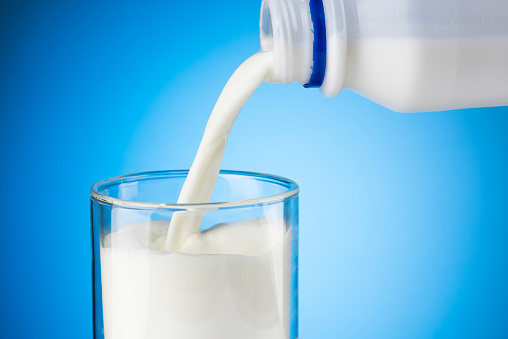
Nutrients Your Body Needs Nonfat Fortified Milk
Nonfat, fortified milk is a protein-packed way to get vitamin D, so you don’t miss out on the nutrients your body needs.

Why you need it this season: It’s in very short supply. Unless you live close to the equator, you’ll be hard-pressed to get enough vitamin D this winter. While consuming lots of liver, egg yolks, cheese, fatty fish or vitamin D-fortified foods is an option, most will be deprived of the greatest source of vitamin D—the sun. The sun’s Ultraviolet-B rays produce vitamin D right in your skin but, as you can imagine, in winter, the sun’s rays are at so much of an angle that they don’t actually enter the earth’s atmosphere. According to the Vitamin D Council, to get 1000 IU of Vitamin D in winter, you’d have to expose about a quarter of your body to the sun for about 15 to 20 minutes. If you’re in Miami, lucky you, this might not be a problem. But, if you’re in Boston, where it’s a lot colder, you might need to sunbathe an hour or two. Somehow, the second option seems a bit less fun.

7 Signs You Need More Vitamin D

Read More

Vitamin D is one of the nutrients your body needs in the winter because of its ability to work like a gangbuster in supporting a healthy immune system, deflecting cold and flu viruses, as well as bacterial infections. In fact, scientists suspect that one reason you’re more likely to get the flu in the winter is because you’re not getting enough of the sunshine vitamin.

In recent years, vitamin D deficiency has also been linked to the bone thinning disease, heart disease, cancer and even Alzheimer’s disease. It’s also linked to the bone-thinning disease, osteoporosis. In fact, older people tend to lose more bone during winter because of vitamin D deficiency.

One potential bonus to keeping up with your D in winter: A 2014 University of Georgia study published in the journal Medical Hypotheses suggests that there may be a link between seasonal affective disorder—the overwhelming depression that many people experience during the winter months—and a vitamin D deficiency caused by less exposure to sunlight. This typically occurs more frequently in people who live far north or south of the equator, according to the National Institute of Mental Health.

Are You Getting Enough Vitamin D?

Read More

How much you need: 600 IU for men and women between the ages of 18 and 70; 800 IU for those over 71.

Best food sources: Swordfish (three ounces, cooked), 566 IU; salmon (three ounces, cooked), 447 IU; fortified orange juice (one cup), 101 IU; fortified nonfat milk (eight ounces), 99 IU.

2. Vitamin C

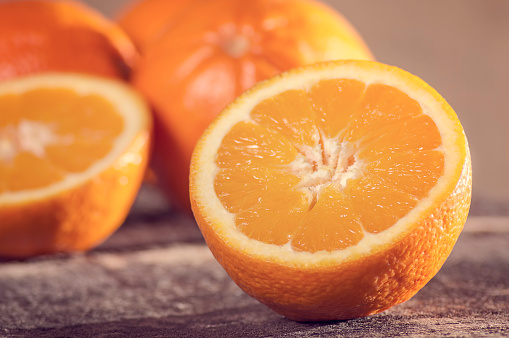
Nutrients Your Body Needs This Winter Orange Vitamin C
Winter worries about the nutrients your body needs? Fresh oranges pack a vitamin C punch.

Why you need it this season: While perhaps not quite the miracle cold cure it was once considered, a 2009 analysis of studies examining vitamin C’s effect on the common cold found that this immune-boosting vitamin can slightly reduce the duration of colds in healthy people. One study published by the National Center for Biotechnology information even found an 85 percent reduction in symptoms.

Vitamin C may also help if you’re at high risk of getting a cold because of frequent exposure, according to the Mayo Clinic. Healthcare workers and teachers, who interact with other individuals all day long fall into that category. The effects are more pronounced if you’re C-deficient and about 13 percent of Americans are, even though it’s relatively easy to get C in the diet. Smokers are at greatest risk, but just one quarter of a cup of orange juice meets the adult daily requirement of 90 mg.

How much you need: 90 mg for men over 18 and 75 mg for women over 18.

Best food sources: Raw red pepper (a half cup, chopped), 95 mg; orange juice (one cup), 96 mg.; orange (140 g), 83 mg; kiwifruit (69 g), 64 mg; raw green pepper (a half cup), 60 mg; broccoli (a half cup cooked), 51 mg; strawberries (a half cup, sliced), 49 mg.

3. Essential Fatty Acids (Omega-3s)

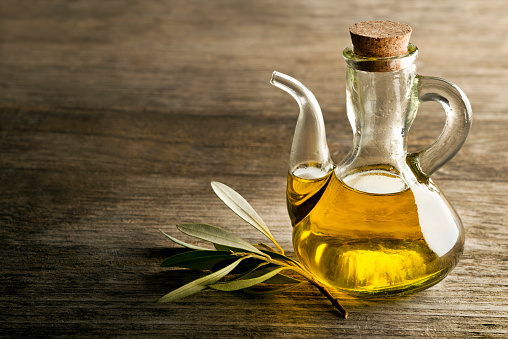
Nutrients Your Body Needs This Winter Omega-3 Fatty Acid Oil
Oil does much more than help you feel full. Flaxseed and canola oils ensure you are nourishing your body with fatty acids, nutrients your body needs.

Why you need it this season: These essential nutrients are famous for their role in heart disease and inflammatory autoimmune condition (rheumatoid arthritis) prevention, but studies suggest they may also play a significant role in shoring up your immune system against the onslaught of winter illness. Omega-3s, found mainly in fatty fish like salmon and tuna, enhance the disease-fighting power of immune system cells, like white blood cells or B-cells, according to a recent study from Michigan State University researchers, published in the Journal of Leukocyte Biology.

How to Use Chia Seeds in Your Cooking

Read More

How much you need: There’s no official daily requirement for omega-3s as there is for vitamins, but the 2015 Dietary Guidelines for Americans recommends two, four-ounce servings of fish a week which is the equivalent of 250 mg daily of omega-3s. Most Americans get the equivalent of less than one ounce of fish per day, according to a study published in Nutrition Journal.

Best food sources: Government health agencies list food sources according to the types of omega-3 fatty acids food contain (there are three). The best sources in general are fatty fish such as salmon, mackerel, tuna, herring and sardines; plant oils such a flaxseed, soybean and canola oils; chia seeds and black walnuts.

4. Zinc

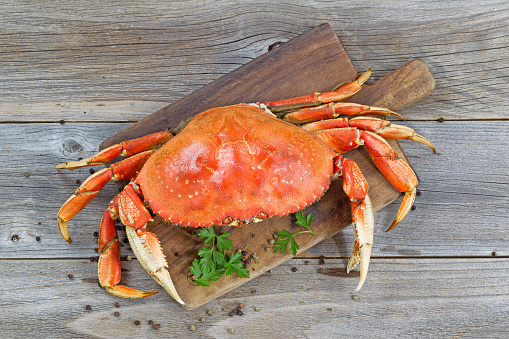
Nutrients Your Body Needs This Winter Zinc Crab
Treat yourself to some crab this evening and get a whole host of winter nutrients your body needs. Zinc is just as important as the other guys for cold weather health.

Why you need it this season: One word: Colds. You’ve probably seen a packet of zinc lozenges at the checkout counter of your local pharmacy this winter. That’s because there’s some evidence that zinc can help cut the severity and duration of the common cold—by maybe as much as 50 percent. Zinc is essential to keeping your immune system soldiers—T cells (from the thymus gland), Natural Killer (NK) cells, and lymphocytes (both kinds of white blood cells)—armed and good to go when there’s an invasion of disease-causing microbes. It also plays a role in producing antibodies to neutralize invaders.

How much you need: Men need 11 mg, while women need 8 mg a day.

Best food sources: Oyster (three ounces cooked mollusks), 28 mg; beef chuck roast (three ounces cooked, boneless), 8 mg; Alaska King crab (three ounces cooked), 6 mg; beef patty (three ounces broiled, 93% lean meat), 5 mg; fortified breakfast cereal (one cup, Multigrain Cheerios), 4 mg.

5. Vitamin A (Retinoids and Carotenoids)

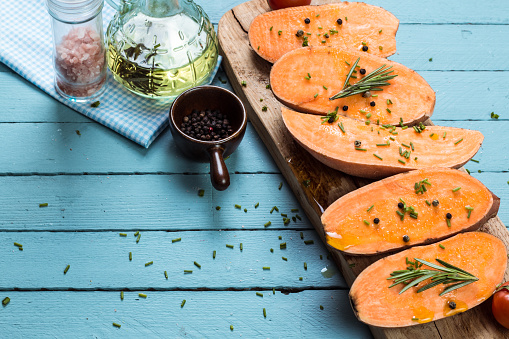
Nutrients Your Body Needs This Winter Vitamin A Sweet Potato
Did you know you can use sweet potatoes as bread? Slice one into quarter rounds for a flavorful bread substitute. Having the nutrients your body needs has never been easier and more delicious!

Why you need it this season: This one’s a double boost to your immune system. Like vitamin D, vitamin A has, as one researcher noted, “a crucial effect on the immune response.” This fat-soluble vitamin enhances the activity of T cells and B cells (those responsible for antibodies) and may even prevent B cells from dying. Early studies found that vitamin A could reduce death and complications in kids with measles, which is caused by a virus and is today prevented by vaccine.

You may also get a bonus if you increase your intake of vitamin A foods. Beta-carotene—the raw material from which vitamin A is made—may fortify your immune defenses on its own, even before it’s transformed to A, based on a study published in the Journal of Nutrition.

How much you need: 900 micrograms (3,000 IU) for adult men, 700 mcg (2,300) for adult women

Best food sources: Sweet potato (large, whole baked), 1,730 mcg and 34,592 IU; beef liver (one slice, pan fried, 81 g), 6,273 mcg and 21,131 IU; spinach (boiled, half a cup) 472 mcg and 9,433 IU; carrots (half a cup cooked slices), 665 mcg and 13,286 IU; cantaloupe (half a cup, cubed), 135 mcg and 2,706 IU; red peppers (sweet, half a cup, chopped), 117 mcg and 2,333 IU.

*Always speak to your doctor before making dietary changes or before starting a new supplement.

The post 5 Nutrients Your Body Needs More of This Winter appeared first on The Leaf.


from The Leaf https://leaf.nutrisystem.com/nutrients-body-needs-winter/

30 minutes of daily activity heats up your metabolism and keeps your body burning calories.1 That’s why Nutrisystem recommends regular exercise as an essential part of your weight loss plan. But when you’re just starting a new workout program or when you exert yourself more than usual, you might experience sore muscles—maybe enough to make you want to skip a day or two of activity.

The Cause of Sore Muscles

a woman using an icepack on her shoulder for sore muscles

According to the American Council on Exercise (ACE), there are two kinds of sore muscles that are correlated with physical activity. “Immediate muscle soreness quickly dissipates and is the pain you feel during, or immediately after, exercise. Delayed muscle soreness signals a natural adaptive process that the body initiates following intense exercise.”2

Delayed muscle soreness (DOMS) happens about a day or two after your workout and typically goes away after 72 hours, says ACE. This is a common experience for people who work out, both new and experienced exercisers alike.3

Researchers theorize that DOMS is caused by microscopic tears in the connective tissue around the muscle that happens during “eccentric exercise.” If you are trying a new type of exercise, exercising longer or more often, increasing your intensity or are a beginner just getting started with a workout routine, you may experience DOMS at some point during your fitness journey.4

Please note that there is a difference between common soreness and pain from injury or overuse. The pain you are experiencing should not prevent you from doing everyday activities or last more than 72 hours. You also should not experience pain during or immediately after your workout.5 Sharp or stabbing pains that continue to get worse in the coming days are an indication of injury and should be assessed by a healthcare provider. Speak to your doctor if you have any questions or concerns about sore muscles.

10 Healthy Foods to Gain Muscle

Read More

Should You Exercise With Sore Muscles?

a woman stretching on a yoga mat

So, should you exercise when you have sore muscles? The answer varies. According to the National Kidney Foundation, exercise may actually help the soreness dissipate. “The best way to relieve muscle soreness is to perform some gentle exercises, like walking or light stretching. It may seem counter intuitive, but the more you move, the faster the discomfort will go away!” they explain.5

According to ACE Physical Therapy & Sports Medicine Institute, performing “low-level” workout moves that are similar to the moves that caused the soreness may help DOMS. This enhances blood flow to the muscle while also helping to decrease pressure and fluid.6

“Whether or not you should work through this type of pain is a tricky answer. If you’re only experiencing low-level soreness, . . . it’s probably okay to do a lighter workout. Some physical activity might even help to ease the achiness,” says Cleveland Clinic. “If your DOMS is a bit more painful, it’s best to avoid strenuous exercise until you are no longer sore.”7

The University of Virginia mimics this advice, stating that “whether or not you should work out when you’re sore just depends on how sore you are.” Being a little stiff or sore is OK, but if your pain increases or you’re limping and unable to walk normally, you should decrease your intensity.8 Talk to your doctor if you’re not sure or if you have any questions about muscle soreness.

How to Lose Body Fat While Retaining Lean Muscle Mass

Read More

Preventing Sore Muscles

a couple jogging together in the park

Ready for some good news? Repaired muscles adapt, so they are less prone to the tiny tears the next time you do the same exercise.4

According to ACE, the top method for preventing DOMS is “gradual progression and conservative increases in intensity, frequency and duration.”2

If you’re new to exercise, start with lighter weights. Over time, gradually increase the intensity and frequency of your workouts. If you are an experienced athlete but want to try something new, take extra precaution by also beginning gradually. Doing a warm up exercise before an intense workout may also help, as this increases blood flow and helps prepare muscles for exertion.2

Another, less conventional, method of potentially reducing post-exercise DOMS? Turmeric! The spice that makes mustard yellow, turmeric has been shown to reduce inflammation in our bodies, according to research in the journal Physical Activity and Nutrition. “In conclusion, although there are conflicting results regarding the effect of curcumin supplementation on DOMS, individuals who are new to exercising, resuming exercise, or looking for gradual improvements in their exercise programs may consider curcumin supplementation as a method of nutritional intervention to reduce post-exercise DOMS,” conclude the researchers.9

Turmeric is available as a root you grate yourself or as a powder in the spice section of the grocery store. You can add it to smoothies or try it in our delicious Garlic Ginger Chicken Bites recipe! >

“Allergic” to Exercise? 5 Fitness Tips You Won’t Hate

Read More

Sore Muscle Relief

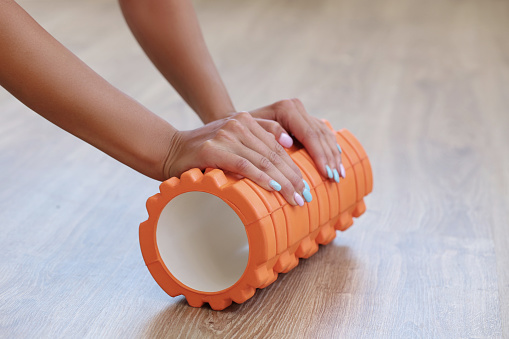
a man using a foam roller on sore leg muscles

“To date, a therapy that consistently relieves delayed muscle soreness has yet to be identified,” says ACE.2 According to the American College of Sports Medicine, you may be able to decrease the symptoms of DOMS with common treatments. However, there is very little evidence that these methods will quicken recovery.10

“If the primary goal is to reduce symptoms, then treatments such as ice pack application, massage, tender-point acupressure, and oral pain relief agents may be useful in easing pain,” they explain. However, “It is important to be aware that pain reduction does not represent recovery. Rather, these treatments may only be effective in reducing symptoms of pain, but underlying muscle damage and reduced function may persist.”10

*The information is not intended or implied to be a substitute for professional medical advice, diagnosis or treatment. Speak to your doctor if you are experiencing sore muscles or pain and before starting a new exercise routine or diet.

Foam Rolling: Your Sore Muscle Solution

Read More

Sources:

  1. https://medlineplus.gov/ency/patientinstructions/000893.htm
  2. https://www.acefitness.org/education-and-resources/lifestyle/blog/42/what-causes-muscle-soreness-and-how-is-it-best-relieved/
  3. https://pubmed.ncbi.nlm.nih.gov/12617692/
  4. https://www.acefitness.org/education-and-resources/lifestyle/blog/6650/don-t-be-a-sore-loser-dealing-with-muscle-soreness/
  5. https://www.kidney.org/content/understanding-muscle-soreness-%E2%80%93-how-much-too-much
  6. https://ace-pt.org/exercise-routine/
  7. https://health.clevelandclinic.org/is-your-exercise-causing-good-or-bad-pain-how-to-tell/
  8. https://blog.uvahealth.com/2018/01/03/avoiding-post-workout-soreness-rhabdomyolysis/
  9. https://www.e-pan.org/journal/view.php?doi=10.20463/pan.2020.0020
  10. https://www.acsm.org/docs/default-source/files-for-resource-library/delayed-onset-muscle-soreness-(doms).pdf

The post Exercising Sore Muscles: Should You Work Out Anyway? appeared first on The Leaf.


from The Leaf https://leaf.nutrisystem.com/exercising-sore-muscles/

For the past few months, TikTok users have been touting the benefits of squeezing fresh lemon juice into black coffee to help burn fat.

Some claim to have lost weight. Others say they gained weight. And a few just gave the weight loss tip a hard pass after one taste.  Coffee and lemon juice is not exactly the best flavor combo.

But is there any science to support this social media sensation to kickstart your weight loss?

Evidence for Lemon Juice and Weight Loss

whole lemon, lemon rind, squeezed lemon, and lemon juice

Like many weight loss myths (yes, it’s a myth), there’s a kernel of truth in it. Scientific studies have looked at the weight loss potential of both coffee and lemons, though not the two together.

In animal studies for example, lemon compounds helped obese mice avoid weight gain and fat accumulation while on a high-fat diet. Unfortunately, there’s no research on whether it has the same effect in humans; the results of animal studies don’t always translate to people.

8 Tips to Make a Healthy Cup of Coffee

Read More

Evidence for Black Coffee and Weight Loss

black coffee, beans and grinds

There’s more evidence for coffee as a weight loss supplement. One study done at the Harvard T.H. Chan School of  Public Health found that people who drank four cups of coffee daily reduced their body fat by about four-percent.

The researchers believe that the fat loss was caused by the caffeine in coffee increasing the study participants’ metabolism, causing them to burn more calories. Other studies on caffeine and weight loss have had similar results. Furthermore, experts at Mayo Clinic credit coffee for decreasing appetite as well.

So, What’s Our Verdict?

woman drinking coffee before a yoga workout

If you’re looking for a weight loss combo to try, you might be better off skipping the lemon juice and combining coffee with exercise.

A 2021 study, published in the Journal of the International Society of Sports Nutrition, found that drinking 3 mg/kg of caffeine (about the same as a strong coffee) 30 minutes before aerobic exercise can help boost the fat burning that occurs during exercise. “The results of our study showed that acute caffeine ingestion 30 minutes before performing an aerobic exercise test increased maximum fat oxidation during exercise regardless of the time of day,” says the study’s lead author.

ScienceDaily explains, “In summary, the findings of this study suggest that the combination of acute caffeine intake and aerobic exercise performed at moderate intensity in the afternoon provides the optimal scenario for people seeking to increase fat-burning during physical exercise.”

Black coffee is a Free Food on the Nutrisystem program, so feel free to enjoy it in moderation and possibly reap some benefits to your weight loss. Check out some of these creative recipes to add more coffee to your day! >

Please note that according to Medical News Today, excessive caffeine can lead to certain side effects, such as insomnia, rapid heart rate, headaches, jitters and anxiety. Be sure to speak to your doctor before adding coffee and other caffeinated beverages into your diet to ensure it’s safe for you. While coffee may provide some potential weight loss benefits, it is not a replacement for a healthy, balanced diet and regular exercise.

How Much Coffee is Too Much Coffee?

Read More

The post Coffee and Lemon Juice for Weight Loss: Does This TikTok Trend Really Work? appeared first on The Leaf.


from The Leaf https://leaf.nutrisystem.com/coffee-and-lemon-juice-for-weight-loss/

It’s time to put your water to work! Support immune health and stay hydrated with our NEW Hydrating Immune Health dietary supplement. Enjoy the refreshing, fruity flavor of cherries and berries in every delicious drop!

This mix-and-sip solution is specially formulated with an innovative blend of superfoods, electrolytes and a key ingredient to help support a healthy immune system and promote gut health.* Easily mix it into 16 fluid ounces of cold water for a delicious, fruit flavored way to stay hydrated.

EpiCor®, a clinically tested postbiotic, is one of the key ingredients in this tasty supplement. It has been shown to support a healthy immune response and a healthy gut microbiome.*

The Hydrating Immune Health Supplement also features a superfood blend made up of a blend of 23 different fruits and fruit juices.

Finally, it’s no secret that flavor matters. By mixing this solution into your water, you can add tons of delicious flavor without added sugar or artificial sweeteners. Adding additional flavor to your glass of H2O can eliminate the boringness of plain water and help you achieve your daily hydration goals. (Learn more about the connection between hydration and weight loss here! >)

Get your fill with 28 ready-to-scoop servings! Click here to try our Cherry Berry Hydrating Immune Health >

*These statements have not been evaluated by the Food and Drug Administration. This product is not intended to diagnose, treat, cure or prevent any disease. This product has not been shown to increase the efficacy of the Nutrisystem program.

CONSULT YOUR HEALTHCARE PRACTITIONER BEFORE USE IF YOU ARE PREGNANT, NURSING, TAKING ANY MEDICATIONS OR HAVE A MEDICAL CONDITION.

The post Put Your Water to Work! Try Our NEW Hydrating Immune Health appeared first on The Leaf.


from The Leaf https://leaf.nutrisystem.com/hydrating-immune-health/

MKRdezign

Contact Form

Name

Email *

Message *

Powered by Blogger.
Javascript DisablePlease Enable Javascript To See All Widget