Latest Post

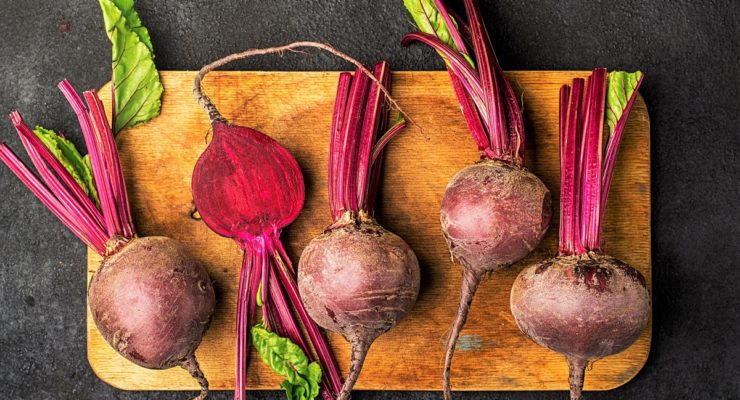
When it comes to nutritional value, the beet cannot be beat! These vibrant root vegetables are sweet in taste but actually rank low to medium in the Glycemic index. Therefore, eating them won’t lead to quick spikes in your blood glucose levels like eating other sugars would.

Digging deeper into these bulbous beauties tells us that they are also free of fat, saturated fat and cholesterol. They are low in sodium, high in potassium, and high in iron, which is good for combating anemia and fatigue. Beets also contain nitrate, which lowers blood sugar, potassium for heart health, and silica for bone strength. A major benefit of the beet is its high folic acid content. This vitamin is crucial in prenatal care as it aids in the development of the neural tube and spinal cord.

Now that we’re well-versed in what makes the beet a nutritional MVP, let’s get acquainted with some interesting tidbits that add to their allure. First up is a widely documented use of the beet as an aphrodisiac dating all the way back to Roman times. There is actually some truth to this claim—beets contain the mineral boron, which is known to increase hormones related to sex drive.

While we here in the U.S. top our burgers with lettuce, tomato and onion, those who live down under in Australia up the nutritional ante by adding sliced beets to theirs. Beets are also a well-known ingredient in the popular Eastern European stew, borscht. And the juice of a beet has such a concentrated, rich color that it can be used as a natural dye.

Beets can be prepared many different ways. They can be cubed and added to salads, juiced to sip, eaten raw or roasted, or pickled to perfection! While there are a few different varieties with colors ranging from red, orange-yellow and white, the most commonly consumed beet in the U.S. is the Red Ace Beet. When shopping, make sure you choose bright and firm beets with smooth skin, knowing that the smaller the beet, the more tender. When storing, remove the leaves and keep in the fridge in a plastic bag for up to three weeks.

Want to get started on your path to beet bliss? Our recipes will show you how:

1. BALSAMIC BEET SALAD

balsamic beet salad
This goat cheese and beat salad is packed with nutrition and flavor that can easily be turned into a flex meal.

2. BEETROOT AND QUINOA SUPERFOOD SALAD

Beetroot Quinoa salad
With three superfoods in the mix and a lemon and olive oil dressing, this salad is both healthy and delicious!

3. BEET FRIES

beet fries
Who said you can’t have healthy fries? Not us! Branch out with these crispy, crunchy sliced beets.

4. BEET CHIPS

beet chips
This sweet and salty treat deserves to take center stage at your next snack session.

The post Superfood Saturday: Beets appeared first on The Leaf.


from The Leaf https://leaf.nutrisystem.com/superfood-saturday-beets/

The aroma of fresh-baked bread makes your home feel just a little cozier when the weather outside turns chilly. Eating bread straight from the oven warms you up from the inside out, too. But maybe you have heard that you have to avoid all bread recipes when you’re trying to eat healthy and lose extra pounds. We’re here to tell you that you can enjoy all of the sensory pleasures of homemade bread and stay on track to your weight loss goals.

With these 11 healthy bread recipes, you can treat yourself and the rest of your household to the tantalizing smells and the satisfying tastes of bread this season. Best of all, these recipes are so easy, you don’t need any baking experience.

Grocery Shopping 101: Your Guide to the Baking Aisle

Read More

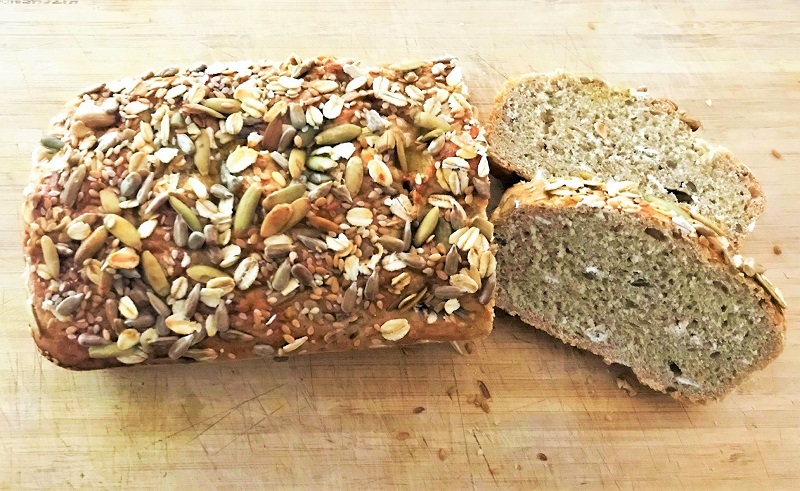
 1. Seeded Whole Wheat Bread Dough >

Healthy Seeded Whole Bread dough

Calories per Serving: 188

On Nutrisystem, Count As: 1 SmartCarb and 2 Extras

Baking your own bread lets you use deliciously healthy ingredients like sunflower and pumpkin seeds to add extra flavor and crunch to your sandwiches. Try this healthy bread to make a classic PB&J, toast it and top it with avocado or turn it into a perfect seasonal treat with a spread of fresh apple butter.

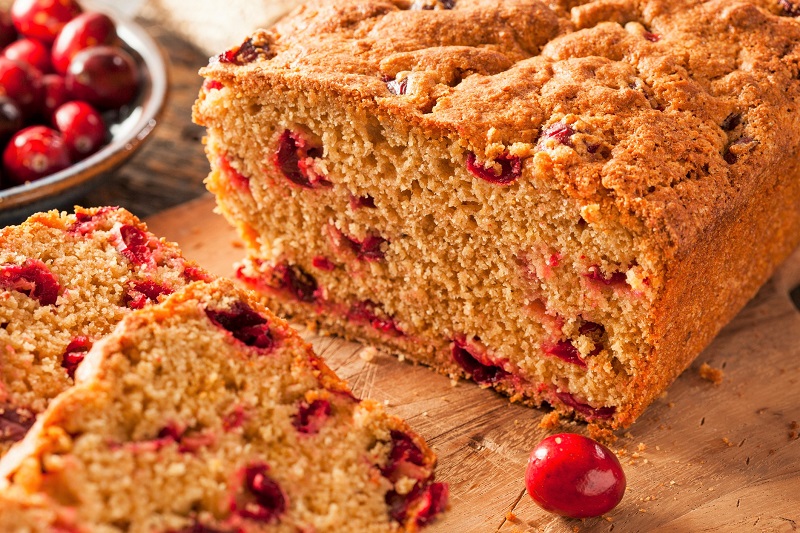
2. Whole Wheat Cranberry Orange Bread >

Healthy Whole Wheat Cranberry Orange Bread

Calories per Serving: 137

On Nutrisystem, Count As: 1 SmartCarb and 1 Extra

If you like healthy bread recipes that are soft and sweet, this simple loaf is sure to become a favorite for your breakfast or coffee breaks. It is low in calories—with just 137 per serving—and has no added sugar because the sweetness comes from oranges and applesauce.

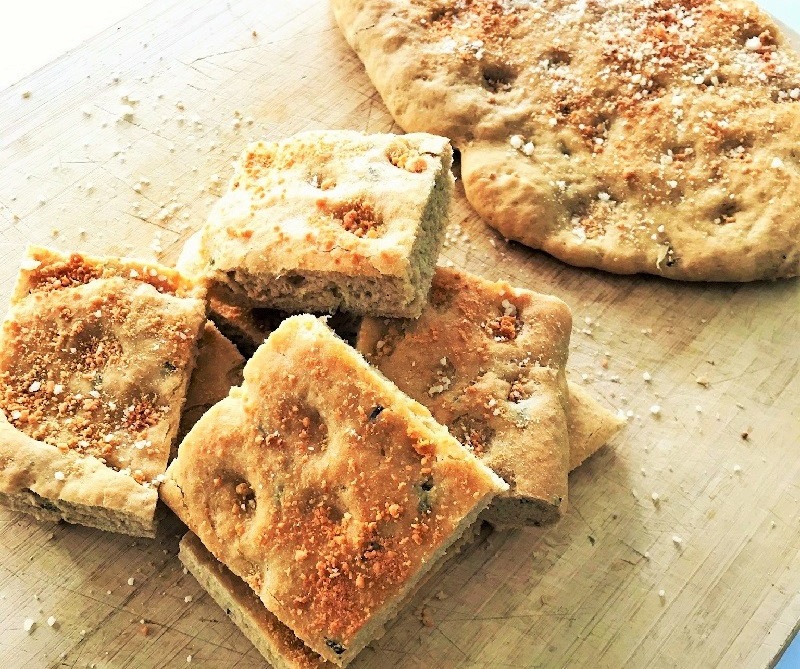
3. Whole Wheat Herb Focaccia >

Healthy Whole Wheat Herb Focaccia

Calories per Serving: 129

On Nutrisystem, Count As: ½ SmartCarb, 2 Extras

Focaccia (pronounced “foe-KAH-chuh”) is a savory Italian-style flatbread with a texture like pizza dough. Enjoy it alongside soup and salad or just dip it in low-sodium, sugar-free marinara sauce. Bump up the taste of your focaccia with plenty of fresh herbs like rosemary and oregano, which are Free foods that add no calories but lots of flavor.

17 No Bake Dessert Recipes

Read More

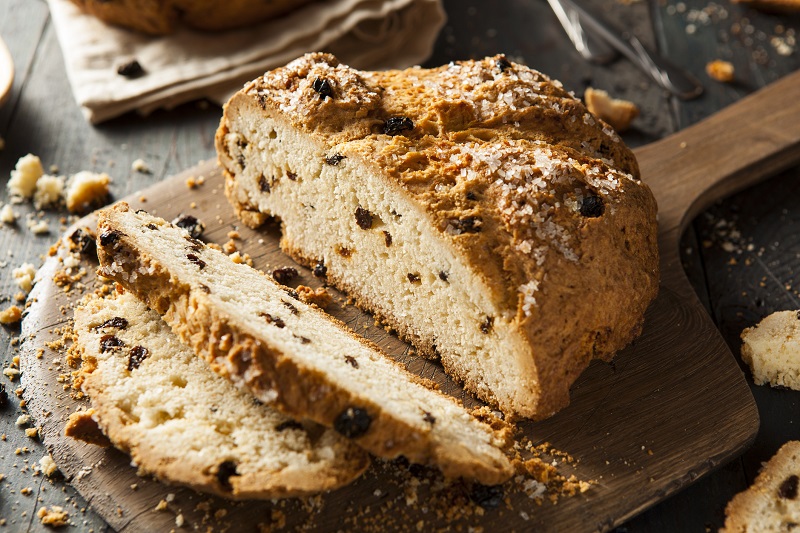
4. Irish Soda Bread >

Irish Soda Bread

Calories per Serving: 109

On Nutrisystem, Count As: 1 SmartCarb

A staple for many bread-loving families, our Irish Soda Bread features the flavors of orange, vanilla and raisins. Plus, it gives you all the satisfaction of a firm and chewy loaf. We made it with whole wheat flour, so it’s high in fiber and just one slice leaves you feeling full for hours.

5. 5-Ingredient Buffalo Cauliflower Breadsticks >

5-Ingredient Buffalo Cauliflower Breadsticks

Calories per Serving: 116

On Nutrisystem, Count As: 1 PowerFuel and 1 Vegetable

For parties, game days or a snack anytime, these breadsticks treat you and your gang to the zesty flavor of buffalo sauce and gooey melted cheese atop a hearty base that’s perfectly crusty. You can have the breadsticks warm and ready to eat in under 30 minutes—even faster if you pick up cauliflower “rice” in the produce or frozen food sections of your grocery store.

6. Honey Yogurt Cornbread Muffins >

Healthy Honey Yogurt Cornbread Muffins

Calories per Serving: 110

On Nutrisystem, Count As: 1 SmartCarb

Muffins are the happy spot where bread meets cake—they’re soft and fluffy yet flavorful and filling. Sweet honey and tangy yogurt combine with savory cornbread to make these muffins tasty and oh-so-satisfying, but just right for your healthy eating plan.

10 Seasonal Spices for Your Autumn Menu

Read More

7. Air Fryer Garlic Bread >

Healthy Air Fryer Garlic Bread

Calories per Serving: 109

On Nutrisystem, Count As: 1 SmartCarb and 1 Extra

A side of garlic bread can turn any Italian dish into a feast worthy of your favorite Italian restaurant. Try this easy garlic bread recipe with our Four Cheese Manicotti or Meatballs in Marinara Sauce. We made our version of garlic bread in the air fryer so it comes out crispy and warm, yet easy on the calories.

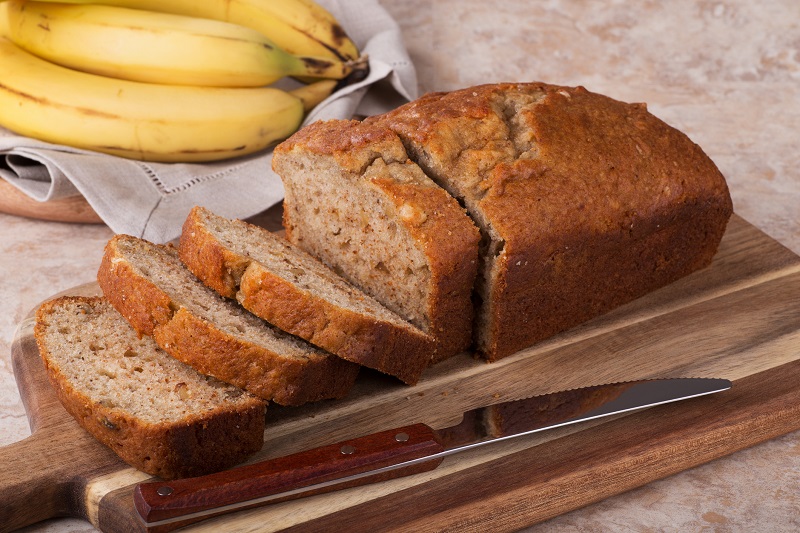
8. Gluten-Free Banana Bread >

Healthy Gluten-Free Banana Bread

Calories per Serving: 150

On Nutrisystem, Count As: 1 SmartCarb and 1 Extra

Whether you’ve never made banana bread before or if you’ve been baking for years, you’ll be amazed at how quick and easy it is to whip up this tasty loaf. In just five simple steps, you’ll have a fragrant and moist bread ready to slice and enjoy for breakfast or as an afternoon snack.

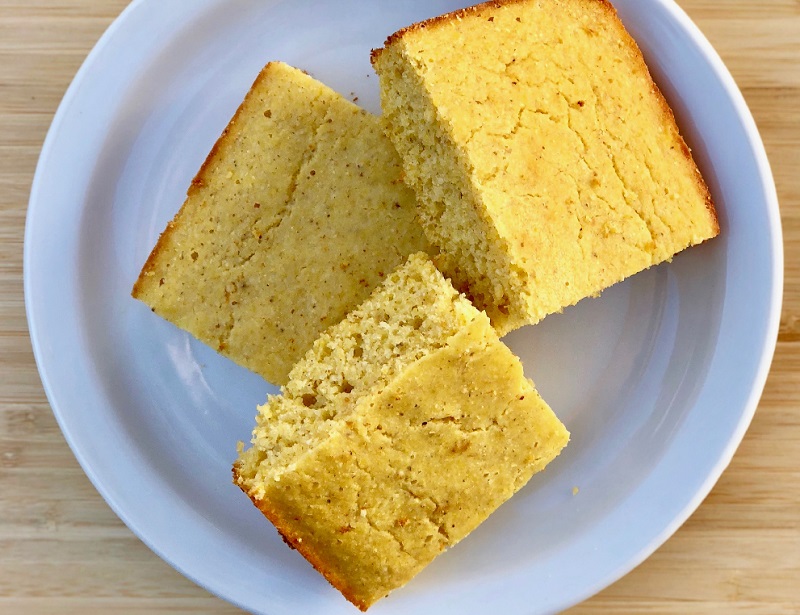
9. Gluten-Free Maple Cornbread >

Gluten-Free Maple Cornbread

Calories per Serving: 98

On Nutrisystem, Count As: 1 SmartCarb

Whether you’re trying to avoid gluten or just love the taste and texture of warm cornbread straight from the oven, this version is the perfect side to soups, stews or our Chockful of Veggie Chili. The maple syrup gives the bread a hint of sweetness but keeps it less than 100 calories per serving.

12 Fall Snack Recipes Under 200 Calories

Read More

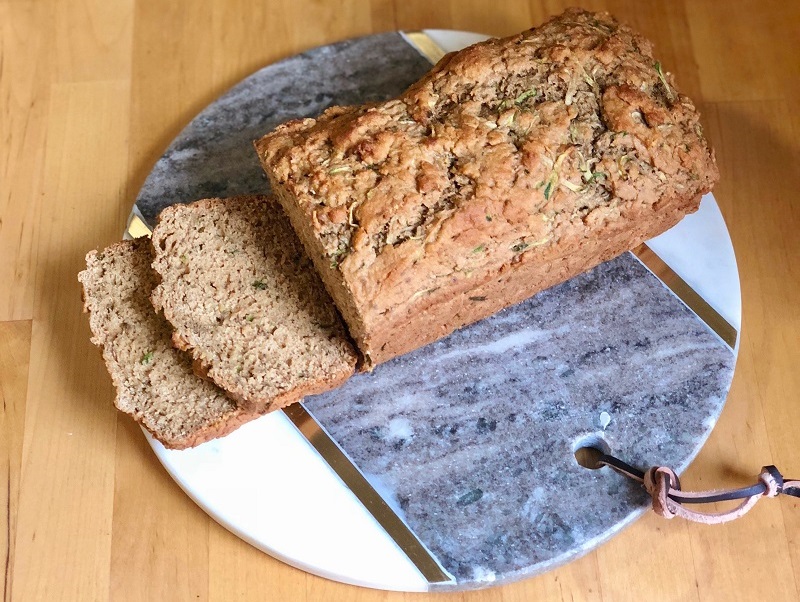
10. Easy-to-Make Zucchini Bread >

Easy-to-make Healthy Zucchini Bread

Calories per Serving: 114

On Nutrisystem, Count As: 1 SmartCarb and 1 Extra

This simple loaf is so soft, moist and rich in flavors like cinnamon and nutmeg, it’s almost like coffee cake. But it’s high in fiber because it’s made with whole wheat flour and shredded zucchini, so it keeps you feeling full for hours after eating it.

11. Cauliflower Crust Breadsticks >

Cauliflower Crust Breadsticks

Calories per Serving: 204

On Nutrisystem, Count As: 1 PowerFuel, 2 Vegetables and 1 Extra

Lots of mozzarella, Parmesan cheese and Italian seasonings load up these warm and crusty breadsticks with flavor. Even better: you can eat four of them and get only about 200 calories, plus 16 grams of protein and two of your daily servings of non-starchy vegetables. What could be better?

20 Nutrisystem Menu Choices That Taste Like Fall

Read More

The post 11 Healthy Bread Recipes for Baking Season appeared first on The Leaf.


from The Leaf https://leaf.nutrisystem.com/11-healthy-bread-recipes/

Grooming may seem expensive when you think of all the other things you need to do for your pup. However, the reasons you need to groom your dog far outweigh the reasons not to. There are many people that choose the breed of dog based on how much work they need to put in to keep them well groomed and this is definitely a factor that should help make your decision.

from Pets:Dogs Articles from EzineArticles.com http://EzineArticles.com/9971254

Parties, holidays, birthdays, bad days—sometimes a binge happens. Even to people who know the dangers so well, like LeeAnn Kindness, Jeff Chiarelli and Deanna Otranto from the Nutrisystem team of nutritionists and weight loss pros. We asked them to tell us about their smartest strategies for getting back on track after a bout of unhealthy binge eating.

Here’s what nutrition experts do after they give in to a binge… and why:

1. Forgive and forget.

binge

“Know that you’re not perfect. Striving for perfection can sabotage your goals,” LeeAnn says. “One meal or one day won’t ruin your chances of achieving your healthy lifestyle. Get right back on track with your next meal and be proud of yourself for that!”

2. Consider why.
questions

Binge eating may be triggered by special occasions, stress or other reasons, but your daily choices can help reduce the chances they will occur. “Did you skip any meals?,” Jeff asks. “Did you drink enough water? Did you eat enough veggies?” When you’re following your Nutrisystem weight loss plan, eating good food frequently, and staying well-hydrated, you feel satisfied, so you’re less likely to overdo it even when the temptation is hard to resist.

3. Get moving.
exercise

“Lacing up and going for a stroll will not only clear you mind and get you moving, but it will aid in digestion to get you through the post-binge bloat,” LeeAnn suggests. Even better, physical activity stokes your metabolism, so you start burning off those extra calories right away. “Just remember not to try to compensate for your binge all in one exercise session,” Deanna cautions. “You’re likely to end up so sore you won’t be able to hit the gym again tomorrow or, worse, you’ll hurt yourself” and be unable to exercise for even longer.

4. Drink up.
water

After binge eating, “be strict with your fluid intake. Hydrating will aid in digestion, naturally rid your body of excess sodium and curb hunger,” LeeAnn explains. “Plus, drinking enough water can be an easy and rewarding goal to focus on instead of post-binge guilt.” Try for the daily goal of 64 ounces of water, unsweetened tea or plain seltzer. Click here for simple hacks to make loading up on liquids easier >

5. Go green, yellow, orange and red.

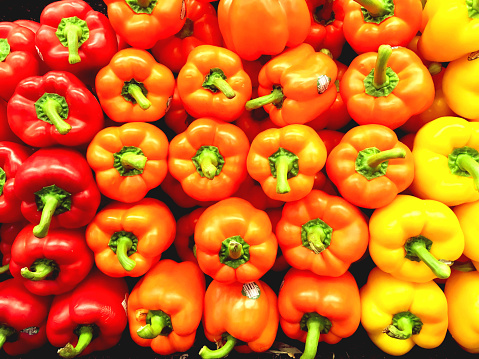
bell peppers

Fiber helps all the food you’ve eaten move smoothly through your digestive tract and keeps you feeling full long after you’re done. Non-starchy vegetables are loaded with fiber, high in nutrients and unlimited on your Nutrisystem plan. “At your next meal, go a little overboard with the spinach, cucumbers or peppers,” Kindness urges.

6. Keep tracking.

NuMi

Logging what you eat, drink and do each day increases your chances of losing weight, according to a study by Kaiser Permanente, the healthcare company. The NuMi app, free to Nutrisystem customers, makes it easy to track your daily diet and activity. “Tracking your meals with NuMi is a great way to hold yourself accountable for all of your meal-time decisions,” Otranto says. Record your binge and then the healthy choices you make after it and you’ll see and be motivated by all that you’re doing to make progress toward your goal.

7. Begin again today.

fresh start

“When you first started on this journey, you didn’t try to compensate for a lifetime of bad eating—you just started,” Otranto reminds us. “Pretend today is the very first day of your new healthy lifestyle and put the past behind you.”

The post How Nutritionists Bounce Back From a Binge appeared first on The Leaf.


from The Leaf https://leaf.nutrisystem.com/nutritionists-beat-binge-eating/

Do you have days when everything seems to be happening at once, when everyone is in need of your attention, when you just can’t catch up with your to-do list? In our busy, multi-tasking lives, stress is almost unavoidable. And that’s not always a bad thing. Stress can be a positive force to help you stay focused and energized. Persistent daily stress, however, can lead to emotional or stress eating and make it harder for you to lose weight. How does that kind of stress affect you and what can you do about it? Here’s what you need to know.

Are You Really in a Weight Loss Plateau? 10 Reasons Why the Scale is Stuck

Read More

The Stress Effect and Weight Loss

stressed out woman sitting on couch

Our bodies developed stress responses to prepare us to deal with outside threats and dangerous situations. When trouble arises, we produce adrenaline, which elevates our heart rate and gives us a burst of energy that fuels our “flight or fight” reactions, says Harvard Health Publishing. After the danger is over, the adrenaline wears off and we return to normal.

These days, much of our stress is driven by internal conditions—demands from work and family, worries about money or our health and concerns about what’s going on in the world around us. When we are stressed for days on end, our bodies produce a hormone called cortisol. According to the American Journal of Epidemiology, “women with high waist/hip ratios, regardless of body mass index, were more likely to display higher stress-induced cortisol levels.” Women with high stress-induced cortisol levels have also been shown to eat more snack food. Researchers also state, “chronically elevated cortisol levels, and high cortisol levels are associated with abdominal obesity in both nonhuman primates and humans.”

Stress also affects our daily choices. Many of us turn to food for comfort, eating even when we’re not hungry. What’s worse, stress can lead to emotional eating, causing us to indulge in foods that are high in fat, sugar or both, according to several studies cited in a report by Harvard Health Publishing. Cortisol can lead to increased appetite and sugar cravings, as well as changes in your metabolism, making it difficult to lose weight. Stressed out people also are more likely to drink alcohol, often in larger quantities. Alcohol comes with lots of calories but no nourishment, and it breaks down your resistance to unhealthy food options.

Stress tends to disrupt our sleep, too. According to the National Sleep Foundation, “Two hormones that help regulate hunger—ghrelin and leptin—are affected by sleep: Ghrelin stimulates appetite, while leptin decreases it. When the body is sleep-deprived, the level of ghrelin spikes, while the level of leptin falls, leading to an increase in hunger.” This means that missing out on shuteye can lead to overeating and weight gain.

How to Stress Less

Eliminating stress from your life isn’t easy but you can take steps to reduce it and help yourself feel and look better. You can try simple steps to reduce stress, like getting more sleep, drinking less alcohol or coffee, meditation and regular exercise.

Stay active.

woman exercising on a yoga mat at home to help stress

You’re probably already aware that regular, low-impact aerobic exercise speeds up your metabolism, which helps you shed extra pounds faster. That’s why we recommend at least 30 minutes of physical activity each day on the Nutrisystem weight loss plan. However, light physical activity can also reduce the negative effects of stress, says Mayo Clinic. When you’re active, you burn off nervous energy and your body produces a dose of mood-lifting endorphins. Exercise can also help you to sleep more soundly. Walking briskly for 30 minutes daily—or three 10-minute walks—is enough activity to help you reduce stress and boost weight-loss.

10 Ten-Minute Workouts

Read More

Try meditation.

A woman meditating outdoors on a yoga mat to help stress

Many people find that setting aside time each day to focus on their breathing, quiet their thoughts and release tension helps ease stress. If sitting still isn’t comfortable for you, you might want to try Tai Chi, an easy-to-learn practice that is like meditation in motion. Check out YouTube for videos on meditation and Tai Chi.

Eat well and practice mindful eating.

A man cooking with healthy fresh produce to help stress

You can’t control the outside world. However, you can do one thing each day to feel good and get ready to face whatever happens. “Good nutrition is an important stress management tool. When our bodies are poorly fed, stress takes an even greater toll on our health. Nutrition and stress are interlinked,” says The University of North Carolina at Chapel Hill. They recommend eating regularly throughout the day to keep your blood sugar levels stable, as well as eating healthy omega-3 fats, plenty of vegetables, high-fiber foods and healthy snacks filled with protein and fiber.

Start by planning healthy meals that fuel your body with all the nutrients it needs. Fill up your grocery list with fresh, non-starchy vegetables, lean proteins and high-fiber options to complement your healthy Nutrisystem meal plan. Remember to eat regularly and keep your meals and snacks spaced out every two to three hours. Remind yourself that even on the roughest days, you’re still on your way to a healthier, happier you.

*Always speak with your doctor if you are feeling overly stressed.

Feeling Stressed? 9 Foods That Make You Happy

Read More

The post Why Stress Keeps You From Losing Weight (and How to Beat It!) appeared first on The Leaf.


from The Leaf https://leaf.nutrisystem.com/stress-eating-weight-gain/

Root vegetables are the edible parts of plants that grow underground, but these super-nutritious, health foods are finding their way into the spotlight and onto the plates of healthy eaters. Carrots are the most familiar root vegetable—we eat the long, orange bottoms, not the leafy tops. These six other roots are, like carrots, rich in flavor and nutrients, and they’re ideal for slow-cooking in diet dishes that warm you up on cool fall days. Here’s why each is a healthful addition to your diet plan and a few ideas for enjoying them:

1. Beets

root vegetables

Most of us recognize the dark red roots, though you can also find varieties that are striped with white inside and some that have golden yellow skin and flesh. All are naturally sweet—beets are a raw ingredient in table sugar—yet they’re low to medium on the Glycemic Index, so you can enjoy them even when you’re trying to lose weight.

Nutrisystem category: Vegetable

Nutrition facts: A cup of raw beets has 58 calories, 3.8 grams of fiber, 13 grams of complex carbohydrates, 22 milligrams of calcium and 442 milligrams of potassium.

Try: Beet salad with arugula and goat cheese blends the sweetness of the roots with peppery greens and the creamy texture of the cheese. When you roast beets, the sugars are caramelized, giving them an even deeper, richer flavor.

2. Parsnips

parsnips

They look like large, white carrots and they have a similar mildly sweet flavor and crunchy texture. When cooked, parsnips become very tender and even sweeter.

Nutrisystem category: SmartCarb

Nutrition facts: A half-cup of raw parsnips has just 50 calories, yet gives you 3.3 grams of fiber, 250 milligrams of potassium, and more than 10 percent of your RDA of vitamin C, folate and manganese.

Try: Steamed and pureed parsnips make a hearty foundation for low-fat, creamy soups. Slice raw parsnips into “sticks” and bake them in the oven with a little oil, salt and pepper to make crispy “fries.”

3. Turnips

turnips

A roundish bulb shaped a bit like a large radish, turnips often have purplish tops and white bottoms but some varieties are all white. The insides of both are a creamy white color. They taste lightly spicy. When shopping, look for smaller turnips, which are more tender than larger ones.

Nutrisystem category: Vegetable

Nutrition facts: In a cup of raw turnips, you get 36 calories, 2.3 grams of fiber, 27 milligrams of vitamin C, and no fat or cholesterol.

Try: Instead of ordinary mashed potatoes, try boiled and mashed turnips with apples, a sweet and spicy weight loss combination that just might become a new family favorite. And don’t toss the green tops in the garbage—they’re also loaded with nutrients and they taste delicious raw or sautéed.

4. Rutabagas

rutabaga

Sometimes called swedes or wax turnips, rutabagas are a hybrid created from turnips and cabbage. Rutabagas are mildly spicy but become more sweet-tasting when cooked. They look a bit knobby on the outside, but they have smooth, starchy texture inside.

Nutrisystem category: Vegetable

Nutrition facts: In a cup of raw rutabaga, you get 52 calories, 3.2 grams of fiber, 60 milligrams of calcium, 35 milligrams of vitamin C, and 427 milligrams of potassium.

Try: With their sturdy texture, rutabagas make a solid base for a vegetable tart made with layers of potatoes, carrots and garlic. For a hearty and healthy side dish, toss chunks of rutabaga with mustard and dill, then roast them to tenderness.

5. Kohlrabi

kohlrabi

The bulbous exterior of kohlrabi may be light green or deep purple, but all are white inside. Like its close relative broccoli, kohlrabi has a mild peppery flavor.

Nutrisystem category: Vegetable

Nutrition facts: A cup of raw kohlrabi has 36 calories, 5 grams of fiber, and 83 milligrams of vitamin C, 472 milligrams of potassium, and a substantial amount of vitamin A.

Try: You can eat kohlrabi raw, sliced into salads or grated into your favorite slaw. Add cubes of kohlrabi to vegetable soups, where they become tender after slow cooking. Shredded kohlrabi mixed with egg and a little flour make tasty fritters your family will love.

6. Celeriac

celeriac

Also called celery root or knob celery, celeriac is a variety of celery grown for its edible roots. While celeriac won’t win the vegetable beauty pageant, its scent is fresh and sweet, and when cooked its aroma has a savory smell that may remind you of Thanksgiving dinner in the oven. The taste is mild, with gentle herbal notes that make it an ideal companion to stronger flavors.

Nutrisystem category: Vegetable

Nutrition facts: In a cup of raw celeriac, you get 66 calories, 2.8 grams of fiber, 67 milligrams of calcium, 12.5 milligrams of vitamin C and 468 milligrams of potassium.

Try: Celeriac’s smooth texture (after peeling the rough skin) lends itself to purees that can be used to add flavor and nutrients to soups and stews. Roast it with pears to make a sweet side dish for broiled fish or turkey breast.

Did you snap a picture of your root vegetable dish? We want to see! Share your weight loss inspired recipe creations.

The post 6 Healthy Root Vegetables You Have to Try This Fall appeared first on The Leaf.


from The Leaf https://leaf.nutrisystem.com/6-root-vegetables-you-need-to-try-this-fall/

MKRdezign

Contact Form

Name

Email *

Message *

Powered by Blogger.
Javascript DisablePlease Enable Javascript To See All Widget