Latest Post

If you’re one of those holiday hustlers who will go the distance to avoid missing out on festivities with family and friends (literally), this article is for you. Do your holiday plans include jet-setting from party to party? Will you be so busy making merry that your slim-down is at risk of becoming full-on festivity roadkill?

The holidays, in all their go-go-go glory, can wreak havoc on your health. But with a little planning, they don’t have to. Keep your slim-down cool while you’re on the move with these trim-down tips for travelers:

1. Take it to go: Prepack an emergency snack kit, including Nutrisystem snacks and meal bars, water bottles and fridge-free produce to bring on your travels.

2. Watch the clock: Eat at regular mealtimes. Schedule pit-stops around meals if you can. If not, have Nutrisystem foods on hand for when the clock strikes “Eat!”

3. Be a mover and shaker: Long drive? Plan walking/stretching stops. Flying? Get physical by walking the airport pre-flight.

4. Book it: Bring a book, magazine or deck of cards during your holiday travels. Avoid snacking out of boredom by engaging in other downtime distractions.

5. Snooze to lose: Take advantage of travel time to catch up on ZZZs. Nap on the plane or train; alternate taking the wheel if driving with a copilot.

6. Don’t forego H2O: Don’t slack on hydration. It’ll keep your immune system strong as you hustle along!

The post How to Survive Holiday Travel Slim-Down Style appeared first on The Leaf.


from The Leaf https://ift.tt/2rA01yJ

stay healthy in winter

Winters are great but also brutal. It is a season with shorter days, longer nights and cold weather.

During this season, our body naturally slacks owing to the coldness. Our muscles become stiff and a sense of laziness will prevail. This is sure to hamper your exercise regimes if you lack the determination 

Winter also means holidays! Come December we are pelted with sweets since the month welcomes Christmas and New Year. Similarly, family gatherings and vacations are a norm too!

When we face such circumstances, staying healthy in winter can be really difficult. One needs immense motivation and determination to keep up with their health regimes.

Apart from cold-induced laziness and festive treats, there is also something called ‘the winter blues’. During this season, it is very common for people to catch a cold or flu since the body’s immunity will below. When this happens, paying attention to health and fitness is even hard.

But even winter can be challenged with advance preparations and better management.

Our health coach Darshita Thakkar shares some inputs on how to stay healthy in winter season.

1. Eat smart

When it is cold outside, you may want to eat piping hot pizzas and sip on hot chocolate. This is completely natural and it is definitely not your fault.

Winters are known to stimulate carb craving. Instead of giving in to the temptation and craving, you should take steps to control your carb cravings.

Load your plate with protein, fibre, vegetables and fruits. Instead of eating simple carbohydrates, eat complex carbohydrates like millet, ragi and jowar. It is all right to eat pastries once in a while, but always exercise portion control.

Likewise, never skip breakfast. Breakfast is the most important meal of the day and it will help you plan the rest of your day.

Omega 3 rich foodAnother thing you should keep in mind is the inclusion of healthy fats i.e., Omega 3 Fatty Acids. Omega 3 can be found in foods like nuts, seeds, fish etc. It is worth mentioning that essential fatty acids are bestowed with anti-inflammatory properties in nature.

 Anti-inflammatory properties are great to reduce muscle aches, stiffness and joint pain which are quite common due to the cold weather.

2. Include spices

We have already mentioned that our immune system takes a hit during the winter season. This can be tackled only by eating nutritiously.

Feel free to add spices to your recipes as often as possible. Spices like ginger, garlic, cilantro, turmeric will not only enhance the flavour of your food but will also strengthen your immune system.

Common cold and sore throat are very common during the winter season. To relieve this, you can add just half a teaspoon of turmeric and pepper to hot milk and drink it just before going to bed. Turmeric has both medicinal and anti-inflammatory properties.

Spices
Spices

Like the one mentioned above, you can prepare a number of drinks using natural herbs and spices that will boost your immune system during the winter season.  These homemade drinks will also help you to stay healthy in winter season. 

3. Eat seasonal fruits and vegetables

Eat a good amount of fruits and vegetables. And make it a point to eat seasonal fruits and vegetables always.

Seasonal fruits and vegetables are bestowed with natural protective nutrients which are great for winter.  For example, oranges, mandarin, etc are high in Vitamin C.

Vitamin C is very much needed for building strong immunity. Now, these citrus fruits grow during the winter. So, it is not only easily available but also cost very less too.

4. Drink wisely

To stay healthy in winter, you can also sip herbal teas like cinnamon tea and basil tea.  You can also opt for Truweight’s herbal drinks like Teatox, Chamomile Tea, etc.

These drinks are rich in antioxidants and help ease winter associated disorder like depression and anxiety.

 Similarly, instead of hot chocolate, you can drink hot vegetable soups. These are great for your throat, mood and health.

5. Exercising 

Exercising outdoors can be really hard due to the cold weather and catching a cold is something we should avoid. But it doesn’t mean that you skip exercises altogether during the winter season.

You can always indulge in indoor exercises. There are ample of YouTube videos on cardio, strengthening and yoga exercise. You can also find warm-up and stretches exercises.

If you don’t know where to start, you can check out our blog on various exercises and Truweight’s YouTube channel to learn about indoor workouts.

6. Keep yourself hydrated

During summers, we will feel thirsty all the time due to the scorching heat and because of that, we will drink plenty of water. But this is not the case with winter. We hardly feel thirsty during the winter and hence, we ‘forget’ to drink water.

drinking waterTo stay healthy in winter season, it is important to drink water consciously. Water will help to flush out toxins from the body. It will also help relieve skin problems like flaky skin, dandruff or eczema that are common during the winter.

7. Socialising

This is something focused more on the mind than the body. December season is full of celebrations and therefore, one should enjoy to the fullest.

Too many restrictions can hamper your jolly mood. Therefore it is important to find the balance.

To make your health regime a successful one during the winter, plan healthy meals along with your family members. Most importantly, influence your social circle and motivate them to stay healthy in winter season. 


The post Winter Is Here… Here Are Some Tips To Stay Healthy! appeared first on Truweight Blog.


from Truweight Blog https://ift.tt/33L2bwf

It’s that time of year: You’re starting to receive invitations to holiday parties. And as soon as you say yes, you ask yourself, What am I going to wear? Well, this year, thanks to all the hard work you’ve put in on your weight loss program, you’re ready to show off with a little black dress. And why not? You’re looking great, and you have the confidence to carry it off. You can be sure you completely rock the look by starting to do some toning exercises for your upper arms now. You’ll have toned arms in no time if you perform some of these simple moves each day. Start with just one minute, then work your way up to a total of five minutes each day, total.

Overhead Arm Circles: This is for your upper arms and shoulders. Put both arms straight overhead; lock your elbows. Pointing your fingers toward the ceiling, slowly make 1o small clockwise circles with both arms. Then slowly make 10 large clockwise circles. Repeat until you’ve done fast, slow, large and small circles in both directions.

Side Arm Circles: This is also for your upper arms. Put both arms straight out to your sides, level with you shoulders, so you make a giant T. Do the same exercises described above: big and small circles, fast and slow, backward and forward.

Can Curls: This is for your biceps. Head to your kitchen cabinets and grab two cans of soup or vegetables. Hold one in each hand, and hold your elbows in tight at your sides. Slowly curl both cans up to your shoulders, then lower. Repeat 10 times; build up to 20 repetitions before increasing the number of sets. Too easy? Use bigger cans, or fill a water bottle and curl that.

Kitchen Dips: This is for your triceps, the back of your upper arm. Stand with your back to your sink, and reach both hands behind you so you’re gripping the edge of the sink. Put your feet a comfortable distance in front of you, and put as much of your weight as you can on your heels. Slowly bend your elbows and lower your butt toward the floor, then push back up. As this gets easier, move to lower surfaces, like the bathtub.


The post Get Toned Arms for Holiday Parties—Fast! appeared first on The Leaf.


from The Leaf https://ift.tt/35YUIex

Feeling a little more tired, a little less patient and a whole lot of blah? It’s understandable—the combo of colder weather and shorter days can dampen anyone’s spirit. But for some people, this time of year triggers changes that go way beyond a funk: Experiencing significant fatigue, feeling sad on most days and sleeping more than usual all point to seasonal affective disorder (or SAD), a clinical form of depression, according to experts at the American Psychological Association. The symptoms are exactly the same as those of major depression, and can include losing interest in activities, having a hard time concentrating, more irritability, cravings sweets and starches, and weight gain. The only difference is SAD follows a seasonal pattern, with symptoms starting in the late fall and early winter, and improving in the spring.

How to Banish a Bad Mood

Read More

If you find yourself struggling around the changing season and suspect you suffer from SAD, talk to your health provider. Your doctor may run tests to rule out underlying medical conditions, or refer you to a mental health profession for a psychological evaluation. The bright side: There are things you can do to ease symptoms; here are some to consider:

Light Therapy
How it works: You sit near a specialized light box that shines a controlled amount of bright light mimicking natural outdoor light, and appears to help re-balance brain chemicals linked to mood, explains the Mayo Clinic. A mental health professional can help adjust the timing and dose of light to your specific needs and body rhythms. This is important because if used incorrectly, light therapy may strain your eyes, give you a headache or make you agitated.

Talk Therapy
It helps you first identify, and then change, negative thoughts and behaviors that make symptoms worse; plus, you learn healthy ways to cope with SAD and manage the stress of the condition. Research published in the American Journal of Psychiatry found that a SAD-tailored version of cognitive behavioral therapy, or talk therapy, was more effective at preventing relapses in future winters, when compared to light therapy.

Are You Getting Enough Vitamin D?

Read More

Get Outside
Take a long walk, even on brisk or cloudy days—and try to do it in the morning within two hours of waking up for the most benefit, according to the Mayo Clinic. Outdoor light can help ease milder symptoms.

Work Out
Physical activity can help reduce stress and anxiety, both of which increase SAD symptoms.

Ask About Medications
Your doctor may prescribe an antidepressant if your case is severe; he or she may also recommend starting treatment before symptoms typically begin, and continuing past when they dissipate. It may take several weeks to notice full benefits from an antidepressant.

The post From SAD to Good: Combating Seasonal Affective Disorder appeared first on The Leaf.


from The Leaf https://ift.tt/2Ych0Xo

Shorter days, less sun and chilly temps has a way of bringing you down. The winter blahs are real and for some people, it may develop into seasonal depression. Food is not a fix. However, a growing body of research suggests that your diet and certain healthy superfoods may influence (and even improve) your mood.

One recent study, published in the journal PLOS ONE, found symptoms of depression dropped significantly among a small group of young adults who ate healthier for three weeks—which meant, in part, increasing their intake of fruits, veggies, whole grains and fish.

In the peer-reviewed journal Psychiatry Research, a meta-analysis of 21 studies from ten countries investigated the connection between diet and depression risk. They found that a healthy eating pattern high in fruits, vegetables, whole grains, fish and low-fat dairy products may decrease the risk of depression, whereas a diet high in red or processed meat, refined grains and fat may increase the risk of depression.

The evidence is preliminary and much more research is needed to understand how diet influences mental health. But what we do know, according to Cleveland Clinic, is that certain foods and nutrients affect brain chemicals that influence how we feel. We’ve rounded up 10 of our favorite healthy superfoods that have been shown to have positive effects on mood. An added bonus; they can all easily fit into your Nutrisystem weight loss program!

How Your Eating Habits Affect Your Mood

Read More

Here are 10 healthy superfoods to help you beat the winter blues:

1. Blueberries
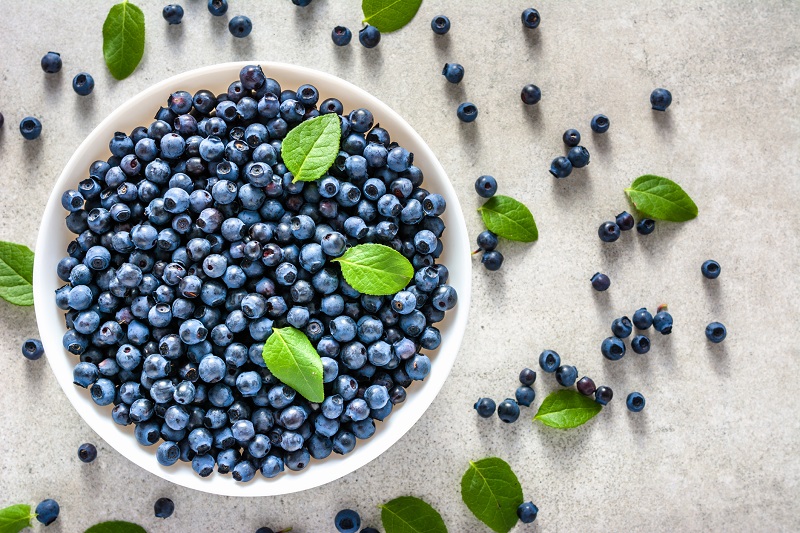
healthy superfoods

These little jewels may be tiny; but don’t let their size fool you. According to research, published in the International Journal of Molecular Sciences, blueberries are jam-packed with flavonoids. The journal Genes & Nutrition explains that flavonoids perform antioxidant functions and have been shown to boost brain health and protect brain neurons from damage.

Antioxidants have also been studied as a potential way to treat anxiety and depression, according to the Indian Journal of Psychiatry. Another study, published in the journal Nutrients, found that adults and kids who drank a “flavonoid-rich” blueberry beverage experienced a positive effect on mood.

One cup of blueberries counts as one SmartCarb on the Nutrisystem program. Enjoy them in these tasty blueberry recipes >

2. Salmon
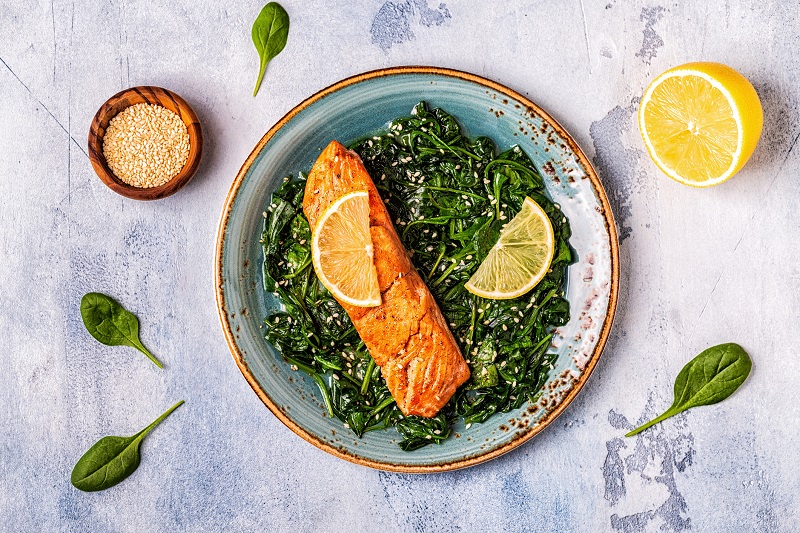
salmon

Salmon is rich in omega-3 fatty acids, along with a variety of other vitamins and minerals, says Healthline. According to Science Daily, research from the University of Pittsburgh Medical Center suggests that low levels of omega-3 fatty acids in the blood is associated with symptoms of depression.

Salmon also contains vitamin B12, which is involved in creating brain chemicals that impact mood and other brain functions, says Mayo Clinic. They also explain that low levels of vitamin B-12 may be linked to depression.

Two ounces of salmon counts as one PowerFuel on the Nutrisystem program. Get double the mood-boosting benefits with this Blueberry Glazed Salmon recipe >

3. Yogurt
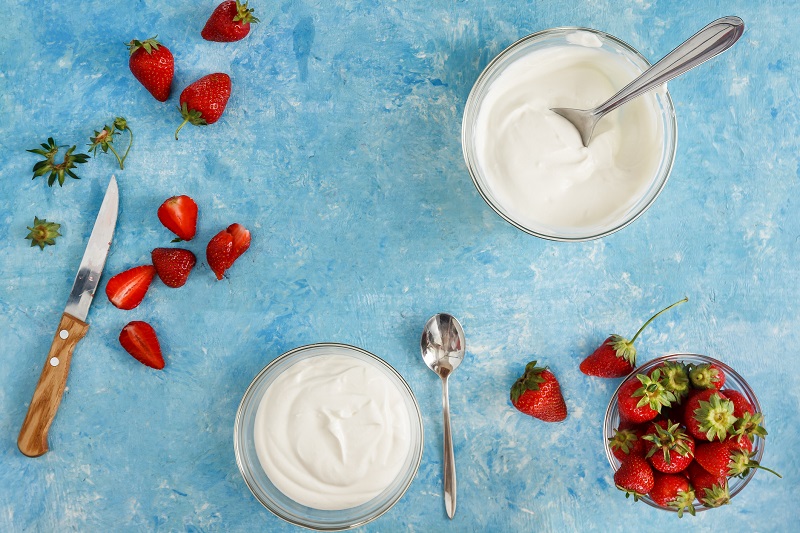
healthy superfoods

According to Harvard Health, bacteria in your intestines may play a role in brain and mental health. This theory is known as the brain-gut-axis. Though the potential connection isn’t fully understood, scientists do know that probiotics in foods like yogurt can help boost good gut bacteria. This may be important in the processing of brain chemicals like serotonin that regulate mood. A review of early research, published in the Annals of General Psychiatry, found that people who took probiotics reported mood improvements and decreased stress levels.

Yogurt falls into the PowerFuel category on Nutrisystem. Start your morning on the right foot with this delicious Berry Delight Yogurt Parfait >

Gut Health and Weight Loss: Everything You Need to Know

Read More

4. Leafy Greens
healthy superfoods

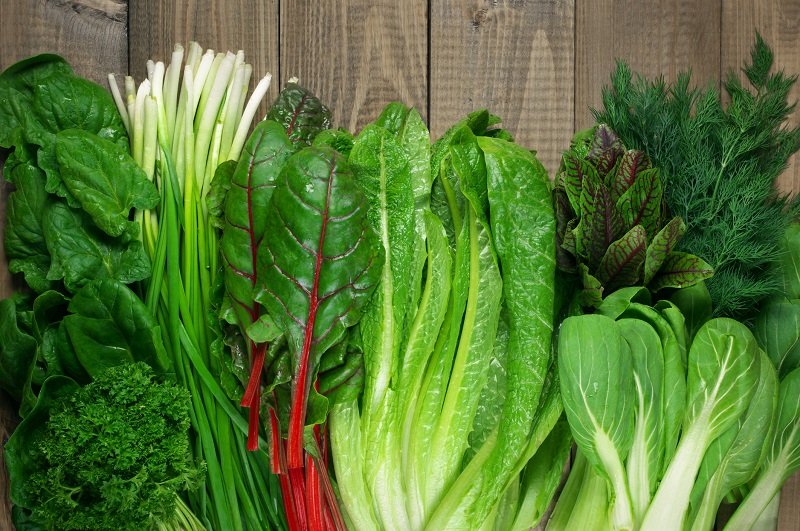
From spinach and kale, to collards and chard: Among plant foods, leafy greens are packed with the highest amount of nutrients that may play a role in mental health, according to the World Journal of Psychiatry. One of those nutrients is the powerful folate. A report, published in the in the Journal of Psychiatric Research, found that people with depression had lower blood levels and dietary intake of folate when compared to those without depression.

On Nutrisystem, leafy greens are considered an unlimited non-starchy vegetable. Get more greens in your diet with our four simple tips >

5. Oysters

healthy superfoods

Oysters make this list of healthy superfoods due to their amazing nutrient profile. According to the World Journal of Psychiatry, there are 12 specific nutrients that “relate to the prevention and treatment of depressive disorders.” Oysters were among the highest scoring animal foods containing these vitamins and minerals.

One of these vital nutrients is zinc. The highest amount of zinc within the body is found in the brain, says Medical News Today. They further explain that a deficiency in zinc may cause symptoms of depression, trouble with learning or memory and more. And just like salmon, this seafood delicacy is also a good source of omega-3 fatty acids and vitamin B12, says Healthline. Oysters fall into the PowerFuel category on the Nutrisystem meal plan.

6. Walnuts
walnuts

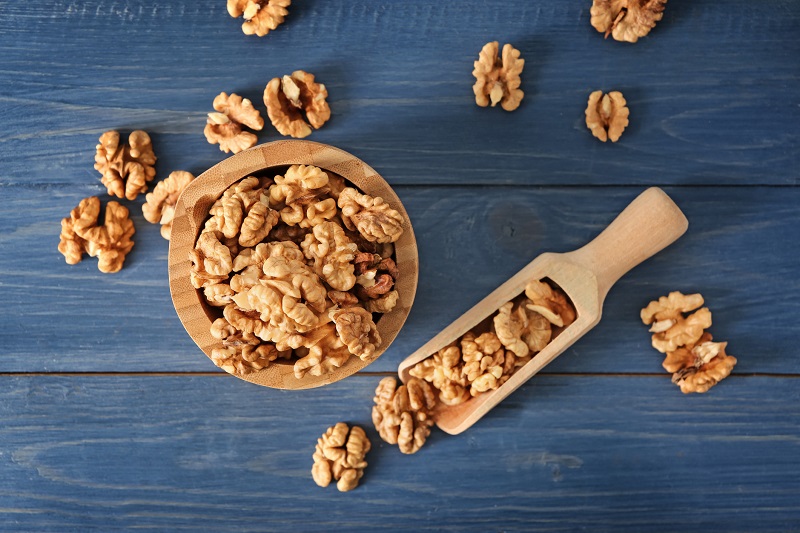
Nuts are nutritional powerhouses packed with energy and nutrients. According to research, published in the journal Nutrients, walnuts might reduce the risk of depression. Survey results from more than 26,000 adults found that those who regularly consumed walnuts had significantly lower depression scores—meaning they felt less hopeless, more energetic and had a greater interest in doing things.

On the Nutrisystem plan, walnuts are a healthy PowerFuel option. Bake these Nutrisystem-approved Maple Walnut Cookies >

The Stress Test: How Much Is Too Much?

Read More

7. Turkey
turkey

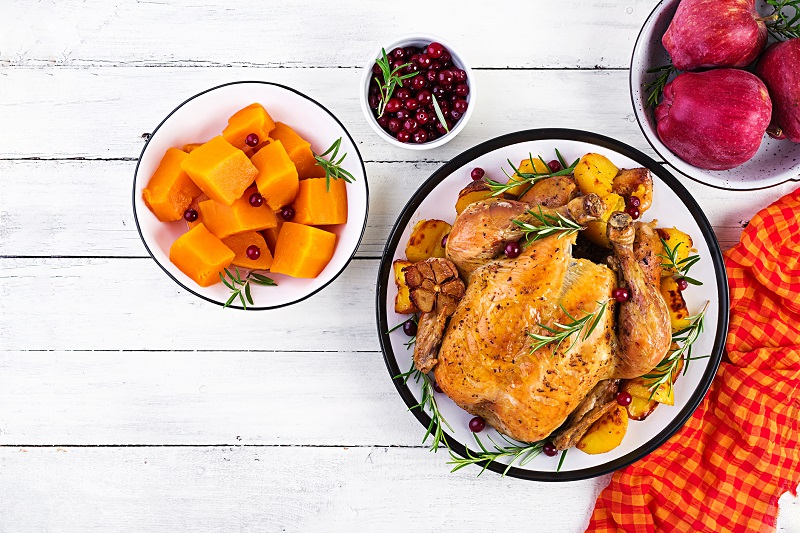
The amino acid tryptophan—which is found in turkey and often blamed for post-Thanksgiving dinner naps—is used by the body to make the feel-good chemical serotonin, says Medical News Today. Similar to salmon and oysters, turkey and other poultry also contain the potential mood-boosting vitamin B12, says Healthline.

Three ounces of turkey counts as one PowerFuel on Nutrisystem. Check out this fool-proof way to cook a delicious turkey >

8. Whole Grains
healthy superfoods

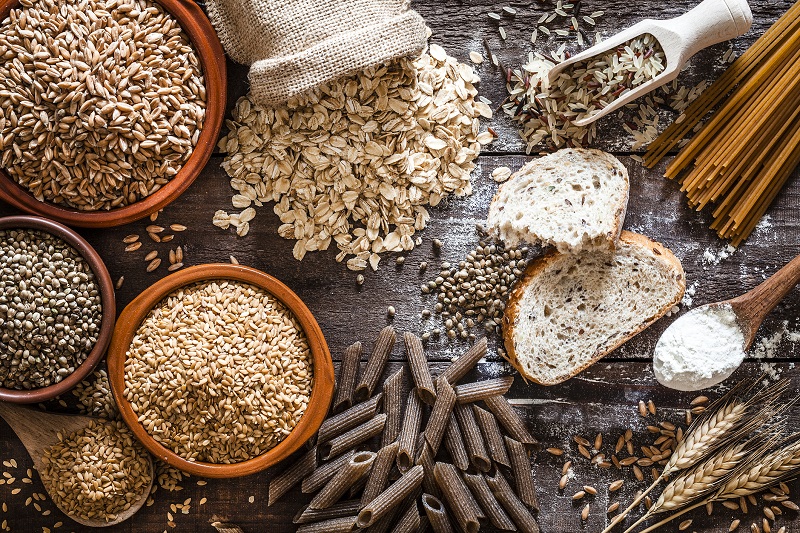
Oatmeal, popcorn, quinoa, whole wheat bread and brown rice are unrefined grains that are a good source of filling fiber and other nutrients, says Healthline. According to Cleveland Clinic, choosing them over refined grains, such as white flour cereals, bread and sugary cookies, may help improve your mood. That’s because, according to Healthline, eating highly-processed refined grains cause your blood sugar to spike, then drop shortly after. High-quality grains, however, are healthy superfoods that keep blood sugar steady and provide long-lasting energy.

Whole grains fall into the SmartCarb category on Nutrisystem. Check out these six super-grains you should be eating >

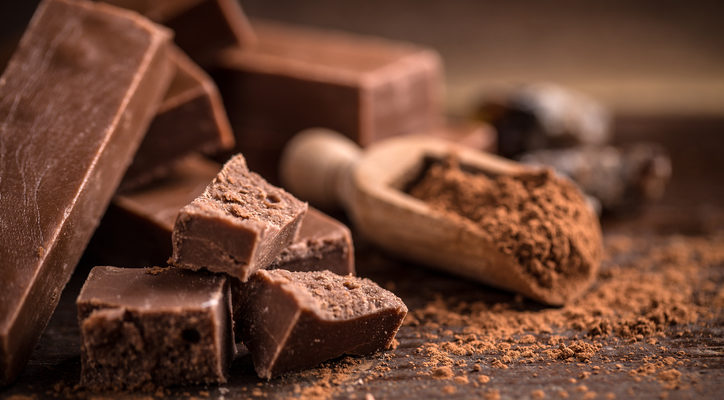
9. Dark Chocolate
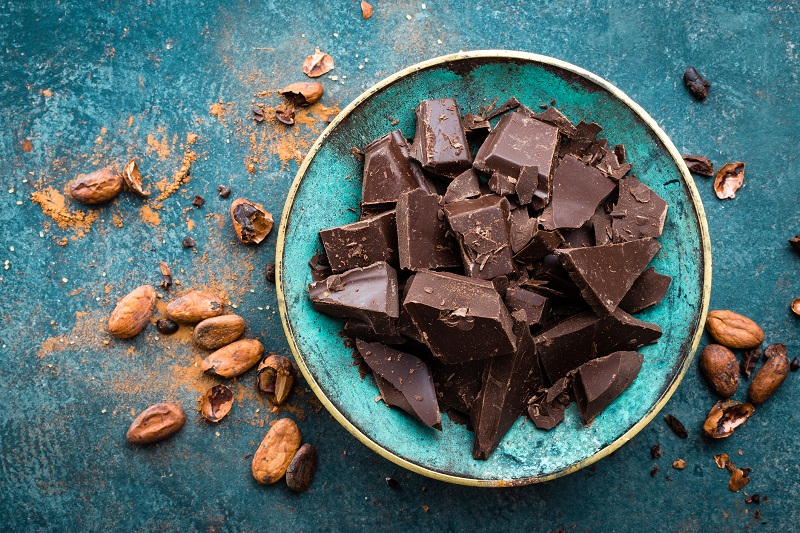
dark chocolate

You know eating it makes you happy. We’ve got the science to back up why: Eating dark chocolate has been shown to increase levels of the feel-good hormone serotonin, says the Archives of Internal Medicine. According to the journal Frontiers in Nutrition, cocoa and cocoa products also contain flavanols, which are antioxidants that may benefit brain function.

Plus, research published in the Journal of Psychopharmacology found that study participants who enjoyed an antioxidant-rich, dark chocolate drink every day for a month reported significantly improved moods. Of course, chocolate can be high in sugar, so watch your portions and choose low sugar or stevia-sweetened options.

Dark chocolate is considered an Extra on the Nutrisystem meal plan. For a healthy way to get your chocolate fix, try one of these 15 Decadent Recipes for Chocolate Lovers >

Craving Chocolate? 7 Healthy Snack Hacks

Read More

10. Green Tea
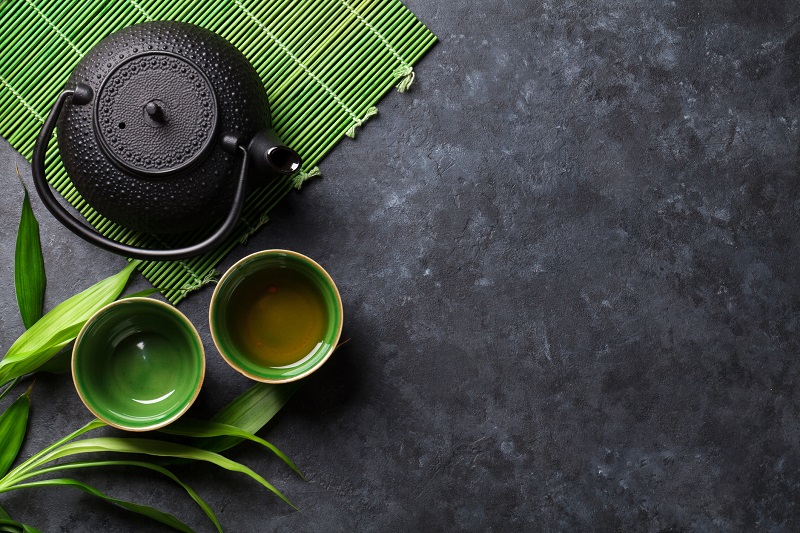
healthy superfoods

Sipping on this warm brew has been shown to lower levels of the stress hormone cortisol, according to Nature.com. They explain that drinking at least a half-cup of green tea each day has been shown to decrease the risk of depression. According to Psychology Today, part of the benefit may come from polyphenols—powerful plant chemicals in green tea that help increase the availability of dopamine (a hormone that influences positive mood).

Unsweetened green tea will count towards your required daily water servings on Nutrisystem. Check out these other reasons to drink to green tea >

The post 10 Healthy Superfoods to Beat the Winter Blues appeared first on The Leaf.


from The Leaf https://ift.tt/2suExHl

Keto diet

Keto diet is all the rage right now. The internet is flooded with images of young women flaunting their smooth skin/slender figure and attributing it to a keto diet. These heavily touted posts would make any sceptic believe that keto diet is the best thing that happened to the earth.

But sadly it’s not. Keto diet has numerous side effects and unfortunately, many would not talk about it. 

Before we explain the side effects, what is keto diet?

A Keto diet plan is a popular type of low carbohydrate diet. It basically focuses on restricting the carb intake so that the body enters a phase called “Ketosis”.

It is a natural phenomenon that puts the body into a survival mode due to the low intake of carbohydrates. Well, healthy living can be achieved only by eating wholesome foods. A diet that focuses on mere survival itself makes keto diet inconsistent.

Usually, the most readily available energy source in our body comes from glucose, which is produced in the body when you eat carbohydrate-rich foods. Once you limit the carb intake, the body turns to other energy sources like fat that are otherwise stored in the body.

Keto Diet
Keto Diet

That is how the fat in the body is broken down into ketone bodies and used to release energy. While the keto diet can bring quick results in weight loss, it isn’t an ideal healthy diet.[1]

Here we bring you five reasons why the keto diet is anything but healthy!

1. The weight may bounce back

No doubt that a keto diet gives quick results in weight loss but once you resume your normal diet, you will gain the lost weight quickly.

A low carb diet results in loss of muscle tissue and causes the body to lose water. This muscle tissue loss may jeopardize weight management once a normal diet is taken up.

Moreover, it becomes very difficult for the body to again maintain high or moderate carbs intake while resuming to a normal diet. This makes a keto diet inconsistent.

 2. Keto diet ignores an entire food group 

In order to function properly, our body requires a well-balanced diet that includes all the food groups.

So if you think practically, limiting an entire food group of carbohydrates will devoid your body of different essential metabolites with fluctuated body’s functioning. 

Many carbohydrates are good carbohydrates. They are the complex carbs, which are, for example, found to be very beneficial for people suffering from diabetes. 

Complex carbohydrates found in whole grains and millets keep the stomach sated for a longer period of time and help control food intake. This helps to shed those extra kilos in a more sustainable and doable manner.  

 3. Keto diet may lead to hypoglycemia

Keto diet may lead to a brief encounter of hypoglycemia at the beginning of the diet regime. This is due to the fact that our body is customised to run on sugar and carbohydrates for energy.

Cutting down this source of energy and rapidly changing to fats for energy will affect the body and naturally, the body will take time to adapt to this new diet.

When the body burns fats for energy, the body might go under hypoglycemia. This is very dangerous for your health in the long run 

Similarly, people who have diabetes and are insulin-dependent should never opt for a keto diet since they are more susceptible to hypoglycemia. [2]

4. Keto Diet isn’t that easy to sustain

It is already established that a low carb diet is pretty difficult to sustain. This is because; you cannot maintain this diet on a daily basis. Once you resume a normal diet after a keto diet, your body will put on weight again.

Similarly, a keto diet may also result in nutritional deficiencies in the long run. Therefore, it is not feasible to adopt a keto diet for weight loss. 

5. Side effects of Keto diet

Fad diets have their own side effects and the keto diet is no different.


Not an ideal diet for good health

One of the temporary side effects of the keto diet is that it can lead to fatigue. When the body is deprived of carbohydrates as its energy source, it loses glucose – the primary source of energy.

This may put the body into a confusion mode that may lead to fatigue in many people. In addition, the keto diet may also lead to kidney issues & bone health issues. 

The side effects of keto diet seem to exceed the benefits. Though it works well for weight loss and cholesterol reduction initially, it is not sustainable in the long run.

Keto diet causes fatigue and hypoglycemia which makes it a poor diet for diabetic patients in the long run.

The other side effects of the keto diet are an irregular menstrual cycle in women, decrease in bone density, bad breath, constipation and issues with sleep. 

It is worth mentioning that other side effects could not be determined because studies could not track keto dieters who followed the diet on a long term basis. This tells that a keto diet is unsustainable.

Here’s is what we at Trueight advise – 

Instead of neglecting the entire food group – carbohydrates or low- carb, you can go for their moderate consumption. The complex carbohydrates that are found in whole grains are in fact, beneficial for the body. 

Moreover, carbohydrates are found to be required for the complete breaking down of fat. So,  it is very important to eat a well-balanced diet that includes all the food groups.

No diet is beneficial if it compromises your health. So don’t just try to lose weight. Try to lose weight healthily, instead.

FAQ’s

Q: Is keto diet good for health?

A: No, keto diet is not good for health.

Q: Why keto diet is unhealthy?

A: Keto diet is unhealthy because it has numerous side effects and cannot be followed in the long run.

Q: Is keto diet good for weight loss?

A: Keto diet works for weight loss but is not good for weight loss. When you resume normal diet, you will gain the lost weight.

Q: Why keto diet is bad

A: Keto diet is bad because it ignores an important food group – carbohydrates. Carbs are the primary source of energy and without it, the body will develop weakness. 

Subscribe to Truweight Blogs Today! Receive the Latest Health Articles via Email!

The post Keto Diet: Not An Ideal Diet For Good Health appeared first on Truweight Blog.


from Truweight Blog https://ift.tt/33AlAQk

MKRdezign

Contact Form

Name

Email *

Message *

Powered by Blogger.
Javascript DisablePlease Enable Javascript To See All Widget