Latest Post

It’s that time of year: You’re starting to receive invitations to holiday parties. And as soon as you say yes, you ask yourself, What am I going to wear? Well, this year, thanks to all the hard work you’ve put in on your weight loss program, you’re ready to show off with a little black dress. And why not? You’re looking great, and you have the confidence to carry it off. You can be sure you completely rock the look by starting to do some toning exercises for your upper arms now. You’ll have toned arms in no time if you perform some of these simple moves each day. Start with just one minute, then work your way up to a total of five minutes each day, total.

Overhead Arm Circles: This is for your upper arms and shoulders. Put both arms straight overhead; lock your elbows. Pointing your fingers toward the ceiling, slowly make 1o small clockwise circles with both arms. Then slowly make 10 large clockwise circles. Repeat until you’ve done fast, slow, large and small circles in both directions.

Side Arm Circles: This is also for your upper arms. Put both arms straight out to your sides, level with you shoulders, so you make a giant T. Do the same exercises described above: big and small circles, fast and slow, backward and forward.

Can Curls: This is for your biceps. Head to your kitchen cabinets and grab two cans of soup or vegetables. Hold one in each hand, and hold your elbows in tight at your sides. Slowly curl both cans up to your shoulders, then lower. Repeat 10 times; build up to 20 repetitions before increasing the number of sets. Too easy? Use bigger cans, or fill a water bottle and curl that.

Kitchen Dips: This is for your triceps, the back of your upper arm. Stand with your back to your sink, and reach both hands behind you so you’re gripping the edge of the sink. Put your feet a comfortable distance in front of you, and put as much of your weight as you can on your heels. Slowly bend your elbows and lower your butt toward the floor, then push back up. As this gets easier, move to lower surfaces, like the bathtub.


The post Get Toned Arms for Holiday Parties—Fast! appeared first on The Leaf.


from The Leaf https://ift.tt/35YUIex

Feeling a little more tired, a little less patient and a whole lot of blah? It’s understandable—the combo of colder weather and shorter days can dampen anyone’s spirit. But for some people, this time of year triggers changes that go way beyond a funk: Experiencing significant fatigue, feeling sad on most days and sleeping more than usual all point to seasonal affective disorder (or SAD), a clinical form of depression, according to experts at the American Psychological Association. The symptoms are exactly the same as those of major depression, and can include losing interest in activities, having a hard time concentrating, more irritability, cravings sweets and starches, and weight gain. The only difference is SAD follows a seasonal pattern, with symptoms starting in the late fall and early winter, and improving in the spring.

How to Banish a Bad Mood

Read More

If you find yourself struggling around the changing season and suspect you suffer from SAD, talk to your health provider. Your doctor may run tests to rule out underlying medical conditions, or refer you to a mental health profession for a psychological evaluation. The bright side: There are things you can do to ease symptoms; here are some to consider:

Light Therapy
How it works: You sit near a specialized light box that shines a controlled amount of bright light mimicking natural outdoor light, and appears to help re-balance brain chemicals linked to mood, explains the Mayo Clinic. A mental health professional can help adjust the timing and dose of light to your specific needs and body rhythms. This is important because if used incorrectly, light therapy may strain your eyes, give you a headache or make you agitated.

Talk Therapy
It helps you first identify, and then change, negative thoughts and behaviors that make symptoms worse; plus, you learn healthy ways to cope with SAD and manage the stress of the condition. Research published in the American Journal of Psychiatry found that a SAD-tailored version of cognitive behavioral therapy, or talk therapy, was more effective at preventing relapses in future winters, when compared to light therapy.

Are You Getting Enough Vitamin D?

Read More

Get Outside
Take a long walk, even on brisk or cloudy days—and try to do it in the morning within two hours of waking up for the most benefit, according to the Mayo Clinic. Outdoor light can help ease milder symptoms.

Work Out
Physical activity can help reduce stress and anxiety, both of which increase SAD symptoms.

Ask About Medications
Your doctor may prescribe an antidepressant if your case is severe; he or she may also recommend starting treatment before symptoms typically begin, and continuing past when they dissipate. It may take several weeks to notice full benefits from an antidepressant.

The post From SAD to Good: Combating Seasonal Affective Disorder appeared first on The Leaf.


from The Leaf https://ift.tt/2Ych0Xo

Shorter days, less sun and chilly temps has a way of bringing you down. The winter blahs are real and for some people, it may develop into seasonal depression. Food is not a fix. However, a growing body of research suggests that your diet and certain healthy superfoods may influence (and even improve) your mood.

One recent study, published in the journal PLOS ONE, found symptoms of depression dropped significantly among a small group of young adults who ate healthier for three weeks—which meant, in part, increasing their intake of fruits, veggies, whole grains and fish.

In the peer-reviewed journal Psychiatry Research, a meta-analysis of 21 studies from ten countries investigated the connection between diet and depression risk. They found that a healthy eating pattern high in fruits, vegetables, whole grains, fish and low-fat dairy products may decrease the risk of depression, whereas a diet high in red or processed meat, refined grains and fat may increase the risk of depression.

The evidence is preliminary and much more research is needed to understand how diet influences mental health. But what we do know, according to Cleveland Clinic, is that certain foods and nutrients affect brain chemicals that influence how we feel. We’ve rounded up 10 of our favorite healthy superfoods that have been shown to have positive effects on mood. An added bonus; they can all easily fit into your Nutrisystem weight loss program!

How Your Eating Habits Affect Your Mood

Read More

Here are 10 healthy superfoods to help you beat the winter blues:

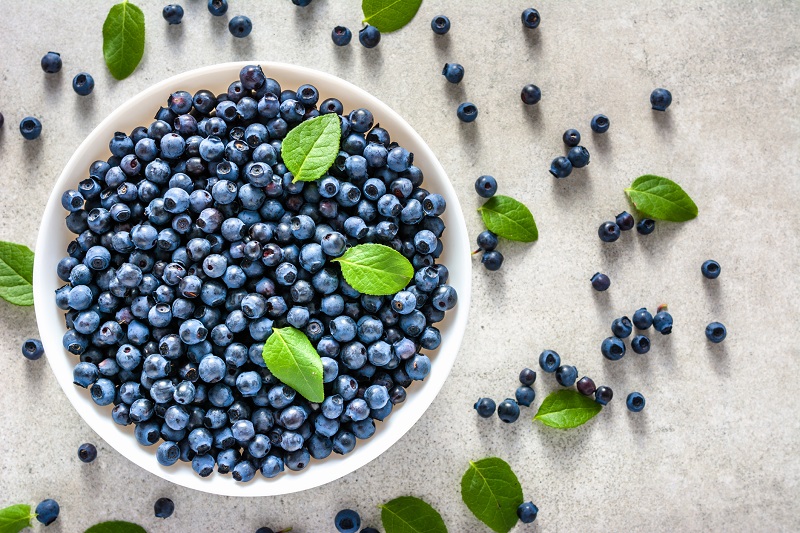
1. Blueberries
healthy superfoods

These little jewels may be tiny; but don’t let their size fool you. According to research, published in the International Journal of Molecular Sciences, blueberries are jam-packed with flavonoids. The journal Genes & Nutrition explains that flavonoids perform antioxidant functions and have been shown to boost brain health and protect brain neurons from damage.

Antioxidants have also been studied as a potential way to treat anxiety and depression, according to the Indian Journal of Psychiatry. Another study, published in the journal Nutrients, found that adults and kids who drank a “flavonoid-rich” blueberry beverage experienced a positive effect on mood.

One cup of blueberries counts as one SmartCarb on the Nutrisystem program. Enjoy them in these tasty blueberry recipes >

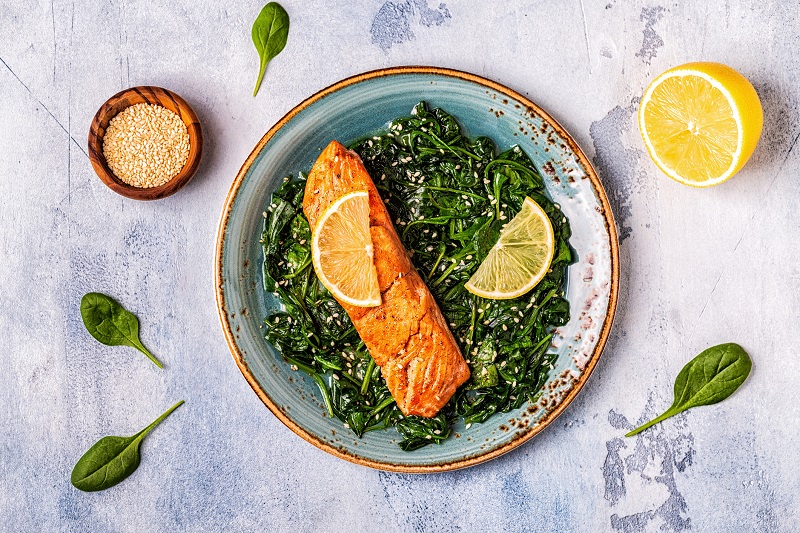
2. Salmon
salmon

Salmon is rich in omega-3 fatty acids, along with a variety of other vitamins and minerals, says Healthline. According to Science Daily, research from the University of Pittsburgh Medical Center suggests that low levels of omega-3 fatty acids in the blood is associated with symptoms of depression.

Salmon also contains vitamin B12, which is involved in creating brain chemicals that impact mood and other brain functions, says Mayo Clinic. They also explain that low levels of vitamin B-12 may be linked to depression.

Two ounces of salmon counts as one PowerFuel on the Nutrisystem program. Get double the mood-boosting benefits with this Blueberry Glazed Salmon recipe >

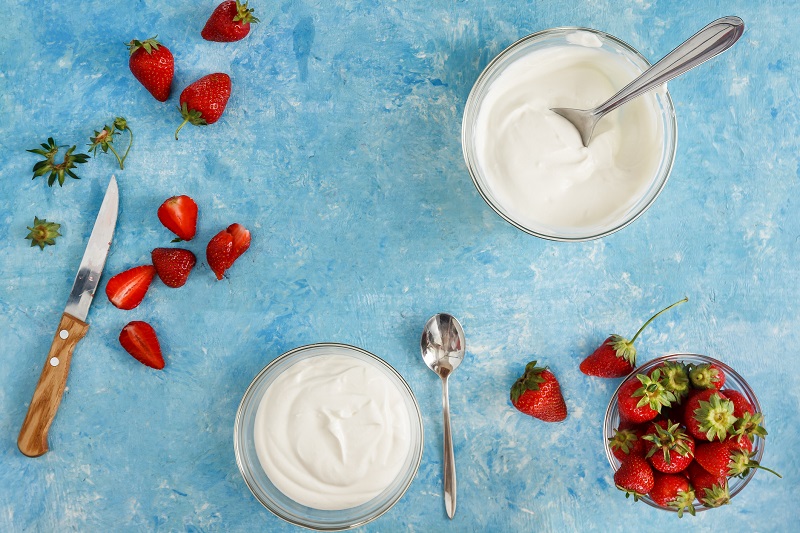
3. Yogurt
healthy superfoods

According to Harvard Health, bacteria in your intestines may play a role in brain and mental health. This theory is known as the brain-gut-axis. Though the potential connection isn’t fully understood, scientists do know that probiotics in foods like yogurt can help boost good gut bacteria. This may be important in the processing of brain chemicals like serotonin that regulate mood. A review of early research, published in the Annals of General Psychiatry, found that people who took probiotics reported mood improvements and decreased stress levels.

Yogurt falls into the PowerFuel category on Nutrisystem. Start your morning on the right foot with this delicious Berry Delight Yogurt Parfait >

Gut Health and Weight Loss: Everything You Need to Know

Read More

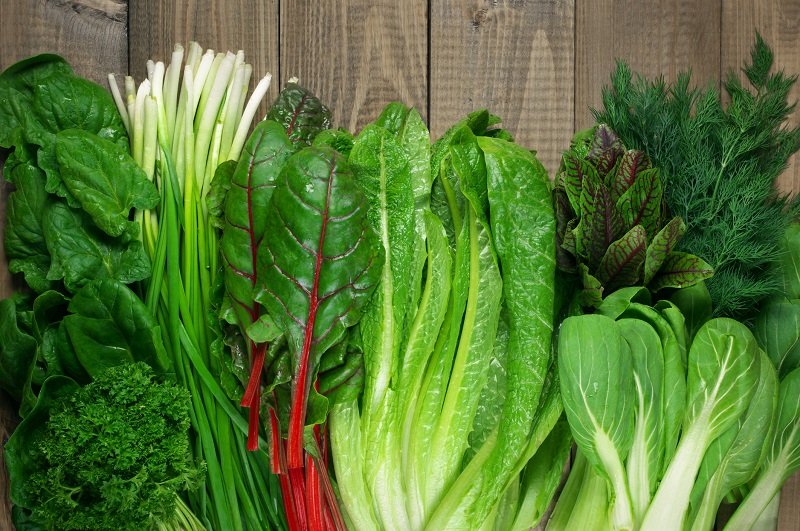
4. Leafy Greens
healthy superfoods

From spinach and kale, to collards and chard: Among plant foods, leafy greens are packed with the highest amount of nutrients that may play a role in mental health, according to the World Journal of Psychiatry. One of those nutrients is the powerful folate. A report, published in the in the Journal of Psychiatric Research, found that people with depression had lower blood levels and dietary intake of folate when compared to those without depression.

On Nutrisystem, leafy greens are considered an unlimited non-starchy vegetable. Get more greens in your diet with our four simple tips >

5. Oysters

healthy superfoods

Oysters make this list of healthy superfoods due to their amazing nutrient profile. According to the World Journal of Psychiatry, there are 12 specific nutrients that “relate to the prevention and treatment of depressive disorders.” Oysters were among the highest scoring animal foods containing these vitamins and minerals.

One of these vital nutrients is zinc. The highest amount of zinc within the body is found in the brain, says Medical News Today. They further explain that a deficiency in zinc may cause symptoms of depression, trouble with learning or memory and more. And just like salmon, this seafood delicacy is also a good source of omega-3 fatty acids and vitamin B12, says Healthline. Oysters fall into the PowerFuel category on the Nutrisystem meal plan.

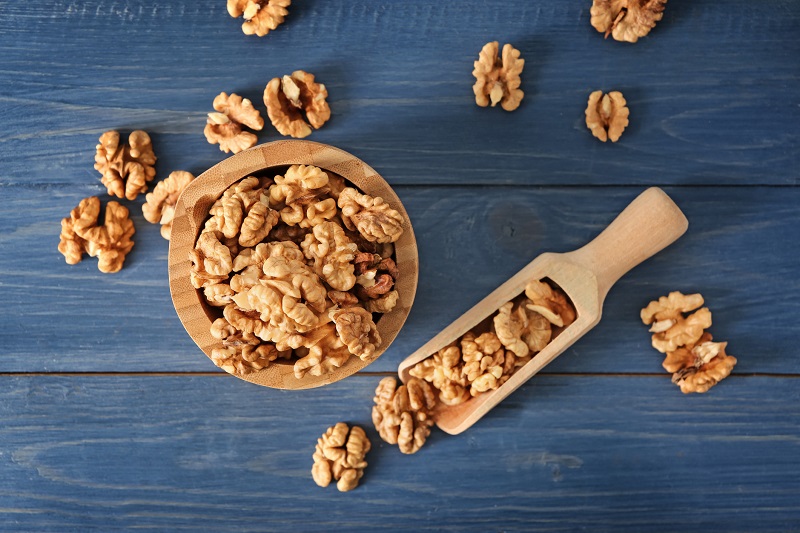
6. Walnuts
walnuts

Nuts are nutritional powerhouses packed with energy and nutrients. According to research, published in the journal Nutrients, walnuts might reduce the risk of depression. Survey results from more than 26,000 adults found that those who regularly consumed walnuts had significantly lower depression scores—meaning they felt less hopeless, more energetic and had a greater interest in doing things.

On the Nutrisystem plan, walnuts are a healthy PowerFuel option. Bake these Nutrisystem-approved Maple Walnut Cookies >

The Stress Test: How Much Is Too Much?

Read More

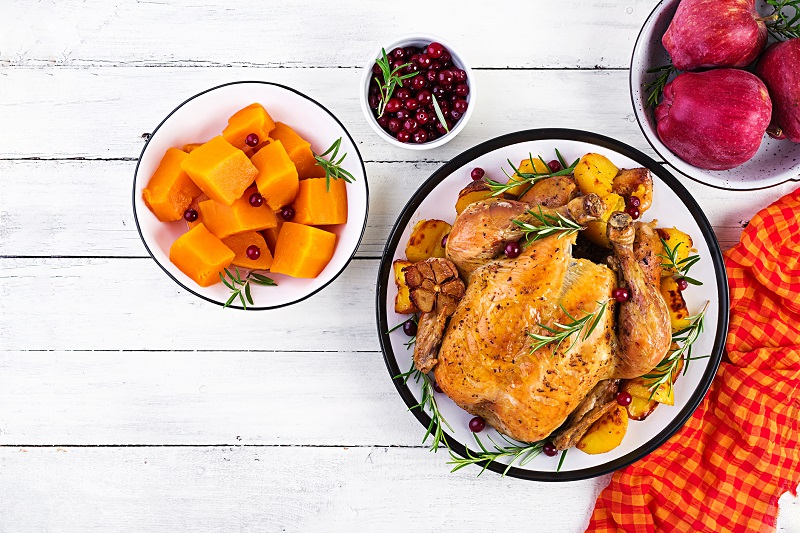
7. Turkey
turkey

The amino acid tryptophan—which is found in turkey and often blamed for post-Thanksgiving dinner naps—is used by the body to make the feel-good chemical serotonin, says Medical News Today. Similar to salmon and oysters, turkey and other poultry also contain the potential mood-boosting vitamin B12, says Healthline.

Three ounces of turkey counts as one PowerFuel on Nutrisystem. Check out this fool-proof way to cook a delicious turkey >

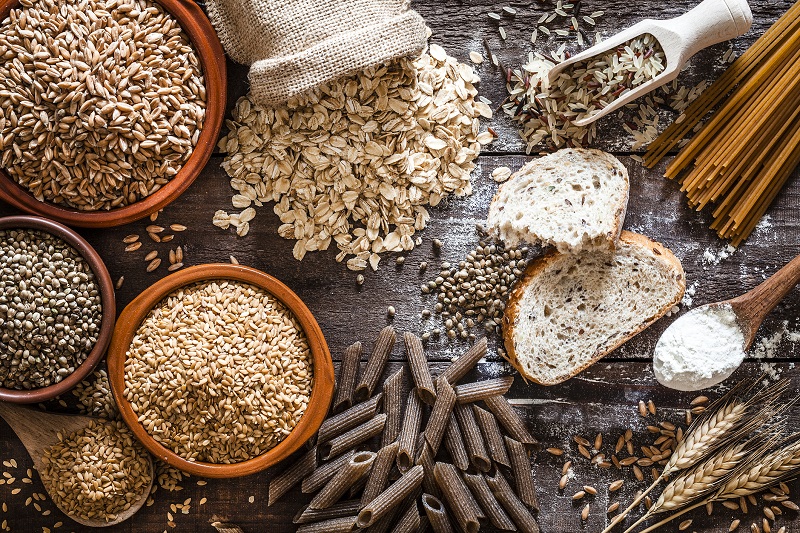
8. Whole Grains
healthy superfoods

Oatmeal, popcorn, quinoa, whole wheat bread and brown rice are unrefined grains that are a good source of filling fiber and other nutrients, says Healthline. According to Cleveland Clinic, choosing them over refined grains, such as white flour cereals, bread and sugary cookies, may help improve your mood. That’s because, according to Healthline, eating highly-processed refined grains cause your blood sugar to spike, then drop shortly after. High-quality grains, however, are healthy superfoods that keep blood sugar steady and provide long-lasting energy.

Whole grains fall into the SmartCarb category on Nutrisystem. Check out these six super-grains you should be eating >

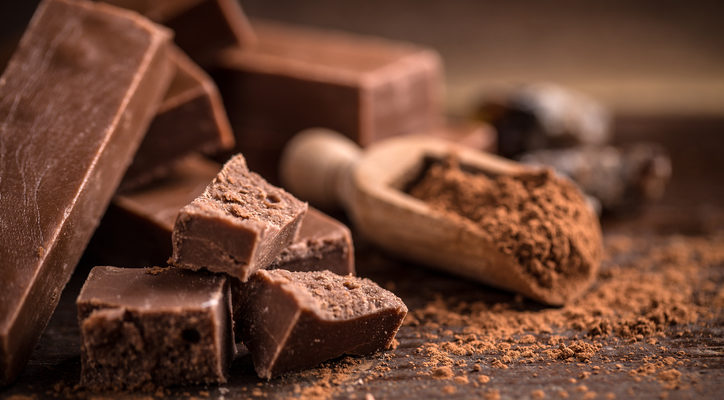
9. Dark Chocolate
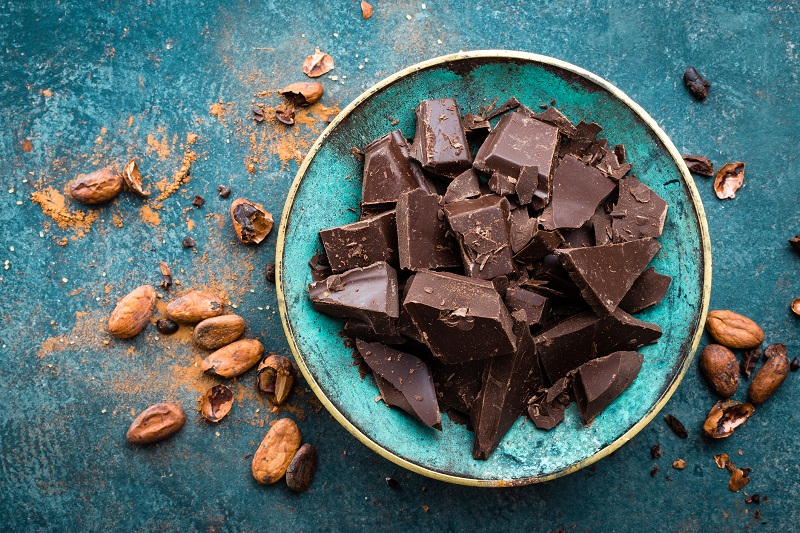
dark chocolate

You know eating it makes you happy. We’ve got the science to back up why: Eating dark chocolate has been shown to increase levels of the feel-good hormone serotonin, says the Archives of Internal Medicine. According to the journal Frontiers in Nutrition, cocoa and cocoa products also contain flavanols, which are antioxidants that may benefit brain function.

Plus, research published in the Journal of Psychopharmacology found that study participants who enjoyed an antioxidant-rich, dark chocolate drink every day for a month reported significantly improved moods. Of course, chocolate can be high in sugar, so watch your portions and choose low sugar or stevia-sweetened options.

Dark chocolate is considered an Extra on the Nutrisystem meal plan. For a healthy way to get your chocolate fix, try one of these 15 Decadent Recipes for Chocolate Lovers >

Craving Chocolate? 7 Healthy Snack Hacks

Read More

10. Green Tea
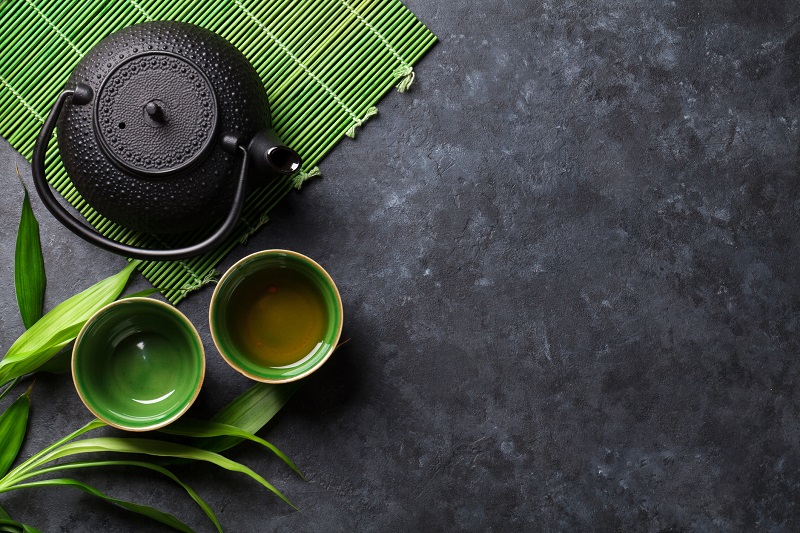
healthy superfoods

Sipping on this warm brew has been shown to lower levels of the stress hormone cortisol, according to Nature.com. They explain that drinking at least a half-cup of green tea each day has been shown to decrease the risk of depression. According to Psychology Today, part of the benefit may come from polyphenols—powerful plant chemicals in green tea that help increase the availability of dopamine (a hormone that influences positive mood).

Unsweetened green tea will count towards your required daily water servings on Nutrisystem. Check out these other reasons to drink to green tea >

The post 10 Healthy Superfoods to Beat the Winter Blues appeared first on The Leaf.


from The Leaf https://ift.tt/2suExHl

Keto diet

Keto diet is all the rage right now. The internet is flooded with images of young women flaunting their smooth skin/slender figure and attributing it to a keto diet. These heavily touted posts would make any sceptic believe that keto diet is the best thing that happened to the earth.

But sadly it’s not. Keto diet has numerous side effects and unfortunately, many would not talk about it. 

Before we explain the side effects, what is keto diet?

A Keto diet plan is a popular type of low carbohydrate diet. It basically focuses on restricting the carb intake so that the body enters a phase called “Ketosis”.

It is a natural phenomenon that puts the body into a survival mode due to the low intake of carbohydrates. Well, healthy living can be achieved only by eating wholesome foods. A diet that focuses on mere survival itself makes keto diet inconsistent.

Usually, the most readily available energy source in our body comes from glucose, which is produced in the body when you eat carbohydrate-rich foods. Once you limit the carb intake, the body turns to other energy sources like fat that are otherwise stored in the body.

Keto Diet
Keto Diet

That is how the fat in the body is broken down into ketone bodies and used to release energy. While the keto diet can bring quick results in weight loss, it isn’t an ideal healthy diet.[1]

Here we bring you five reasons why the keto diet is anything but healthy!

1. The weight may bounce back

No doubt that a keto diet gives quick results in weight loss but once you resume your normal diet, you will gain the lost weight quickly.

A low carb diet results in loss of muscle tissue and causes the body to lose water. This muscle tissue loss may jeopardize weight management once a normal diet is taken up.

Moreover, it becomes very difficult for the body to again maintain high or moderate carbs intake while resuming to a normal diet. This makes a keto diet inconsistent.

 2. Keto diet ignores an entire food group 

In order to function properly, our body requires a well-balanced diet that includes all the food groups.

So if you think practically, limiting an entire food group of carbohydrates will devoid your body of different essential metabolites with fluctuated body’s functioning. 

Many carbohydrates are good carbohydrates. They are the complex carbs, which are, for example, found to be very beneficial for people suffering from diabetes. 

Complex carbohydrates found in whole grains and millets keep the stomach sated for a longer period of time and help control food intake. This helps to shed those extra kilos in a more sustainable and doable manner.  

 3. Keto diet may lead to hypoglycemia

Keto diet may lead to a brief encounter of hypoglycemia at the beginning of the diet regime. This is due to the fact that our body is customised to run on sugar and carbohydrates for energy.

Cutting down this source of energy and rapidly changing to fats for energy will affect the body and naturally, the body will take time to adapt to this new diet.

When the body burns fats for energy, the body might go under hypoglycemia. This is very dangerous for your health in the long run 

Similarly, people who have diabetes and are insulin-dependent should never opt for a keto diet since they are more susceptible to hypoglycemia. [2]

4. Keto Diet isn’t that easy to sustain

It is already established that a low carb diet is pretty difficult to sustain. This is because; you cannot maintain this diet on a daily basis. Once you resume a normal diet after a keto diet, your body will put on weight again.

Similarly, a keto diet may also result in nutritional deficiencies in the long run. Therefore, it is not feasible to adopt a keto diet for weight loss. 

5. Side effects of Keto diet

Fad diets have their own side effects and the keto diet is no different.


Not an ideal diet for good health

One of the temporary side effects of the keto diet is that it can lead to fatigue. When the body is deprived of carbohydrates as its energy source, it loses glucose – the primary source of energy.

This may put the body into a confusion mode that may lead to fatigue in many people. In addition, the keto diet may also lead to kidney issues & bone health issues. 

The side effects of keto diet seem to exceed the benefits. Though it works well for weight loss and cholesterol reduction initially, it is not sustainable in the long run.

Keto diet causes fatigue and hypoglycemia which makes it a poor diet for diabetic patients in the long run.

The other side effects of the keto diet are an irregular menstrual cycle in women, decrease in bone density, bad breath, constipation and issues with sleep. 

It is worth mentioning that other side effects could not be determined because studies could not track keto dieters who followed the diet on a long term basis. This tells that a keto diet is unsustainable.

Here’s is what we at Trueight advise – 

Instead of neglecting the entire food group – carbohydrates or low- carb, you can go for their moderate consumption. The complex carbohydrates that are found in whole grains are in fact, beneficial for the body. 

Moreover, carbohydrates are found to be required for the complete breaking down of fat. So,  it is very important to eat a well-balanced diet that includes all the food groups.

No diet is beneficial if it compromises your health. So don’t just try to lose weight. Try to lose weight healthily, instead.

FAQ’s

Q: Is keto diet good for health?

A: No, keto diet is not good for health.

Q: Why keto diet is unhealthy?

A: Keto diet is unhealthy because it has numerous side effects and cannot be followed in the long run.

Q: Is keto diet good for weight loss?

A: Keto diet works for weight loss but is not good for weight loss. When you resume normal diet, you will gain the lost weight.

Q: Why keto diet is bad

A: Keto diet is bad because it ignores an important food group – carbohydrates. Carbs are the primary source of energy and without it, the body will develop weakness. 

Subscribe to Truweight Blogs Today! Receive the Latest Health Articles via Email!

The post Keto Diet: Not An Ideal Diet For Good Health appeared first on Truweight Blog.


from Truweight Blog https://ift.tt/33AlAQk

In Megan’s Blog:

Megan Ramos

Fasting Basics: What to do if you are struggling to get through your fast?  Part 3

.


Want to know the differences between fasting regimens?

Dr. Fung explains this in the FAQ section of the Members area. Check this out and many more videos from Dr. Fung and Megan Ramos

TFM Members

.


Decide vs. Try

It’s time to own your decisions, says coach Terri Lance

As you practice behaviour change – as far as fasting, your way of eating and your meal timing are concerned – a huge piece of the internal work is to keep addressing your mindset. One way to strengthen your mindset and confidence is to catch yourself using words that might be less helpful, and replacing them with those that can empower significant changes.

There are many popular quotes you’ve probably used to encourage others that sound something like: ‘Try, try again…’ or ‘Just keep trying.’ The overall concept of ‘trying’ is timeless and useful when it comes to reminding us to not to give up just because something is challenging, takes a while to achieve or we did not succeed in this particular attempt. But, ‘trying’ can also undermine us at times.

This concept reminds me of one of my professors’ pet challenges to his classes. When we would say that we would ‘try’ to do something, he would place an object in front of us and ask us to try to pick it up. When we would inevitably pick up the pencil or piece of paper, he would quickly correct us: “I didn’t say to pick it up. I said try to pick it up.” His point was that there wasn’t really an action ‘of trying’ that resulted in the desired outcome.

I listen to a lot of podcasts. On health, nutrition, fasting, biohacking, motivation, psychology, spiritual practices and others. A concept I recently heard discussed in an episode really stood out to me, and I hope that sharing it with you can help you make a shift in your word choice that can lead to a bigger shift in confidence and behaviour change. Similar to my professor’s focus on the effect of the word try, the entrepreneur in the podcast episode shared their advice to others to ‘decide’ instead of ‘try.’ 

If this resonates with you, ‘decide’ what you are going to do rather than ‘trying’ to do it. And, when you repeat your plans with yourself and others, own the decision from a place of certainty versus tentativeness. 

When you frame your efforts as: “Today, I am going to try to fast for 24 hours,” you leave open a window of doubt that you can actually do it. 

But, when you say: “I decided that today I am fasting for 24 hours,” you assert the idea with more resolve and as a more determined outcome, not a chance result. 

My hope is that you can incorporate this way of thinking and talking about your efforts and feel stronger in your ability to succeed. If you decide to fast or eliminate sweeteners, for example, and you own this decision by stating it, you communicate more solidly your projected outcome, rather than implying that by trying you you may or may not succeed.

.


A quick and easy Chicken Wing recipe

Try these Honey Garlic Chicken Wings next game night

Wing night just got a whole lot yummier! Check out this recipe from our friends at truLOCAL! Sweet, sticky and full of flavour, these simple honey garlic chicken wings will become a dinner- and game-time staple!

PLUS, don’t forget to use our exclusive promotion code IDM25 to get $25 off your regular sized box of locally-sourced meat & fish!

truLOCAL is a Canadian company that connects consumers to local farms, giving them access to high-quality meat and fish products that are often hard to access otherwise. truLOCAL lets you shop online, with delivery to your door if you’re in one of their distribution areas.

.


Eat healthy

Are you getting the nutrients you need to succeed?

Check out this slide from Dr. James DiNicolantonio’s PowerPoint on “Needed nutrients.”

Overall, our food is now 30% depleted in vitamins and minerals compared to just 100 years ago and this will only get worse. We need to start utilizing biodynamic farming methods and other traditional farming practices to bring the nutrients back to our food.

.


Cook for better health!

Dr. Fung’s new cookbook is less than a month away

The release of Dr. Fung’s new book – The Obesity Code Cookbook: Recipes to Help You Manage Insulin, Lose Weight, and Improve Your Health – is two weeks away!

The Obesity Code Cookbook makes it even easier to follow Dr. Fung’s weight-loss advice. Mouth-watering recipes—from slow-roasted pork shoulder to chia pudding and almond cake—showcase healthy fats, nutrient-dense foods, and low or no carbs.

The Obesity Code Cookbook will be an indispensable tool for home cooks looking to lower insulin, lose weight, manage diabetes, or simply lead a healthier, longer life.

.


The post TFM Round Up – November 29, 2019 appeared first on The Fasting Method.


from The Fasting Method https://ift.tt/2rCtJ9I

MKRdezign

Contact Form

Name

Email *

Message *

Powered by Blogger.
Javascript DisablePlease Enable Javascript To See All Widget